
I was amazed to learn the global hydroponics market is expected to hit $13.9 billion by 2026. It’s growing at a 20.5% CAGR. This shows how popular soilless cultivation is becoming.
I’ve always been drawn to hydroponics. So, I set up my own DIY hydroponic system at home. It wasn’t easy, but it’s been incredibly rewarding.
My journey taught me that with the right guide and patience, anyone can succeed. In this article, I’ll share my story. I’ll talk about the benefits and challenges I faced.
Key Takeaways
- Understanding hydroponics basics is key for success.
- Choosing the right equipment is vital for plant growth.
- A well-designed hydroponic system can be efficient and productive.
- Patience and monitoring help overcome common challenges.
- A thriving hydroponic system can provide a year-round harvest.
Why I Chose Hydroponics for My Home Garden
I chose hydroponics for my home garden because it promises more yield and saves water. Exploring hydroponic gardening, I found many benefits that fit my goal of living sustainably.
Understanding Hydroponics
Hydroponics grows plants in a nutrient-rich solution, not soil. This method lets you control what plants eat, leading to faster growth and more produce. Learning about hydroponics helped me create the best environment for my plants.
Benefits of Hydroponic Gardening
Hydroponic gardening has many perks over traditional gardening. Key advantages include:
- More crops because nutrients are delivered perfectly
- Less water use thanks to recycling systems
- It needs less space, perfect for cities
- Better quality and consistent crops
For more on setting up a home hydroponic system, check out this detailed guide.
Personal Motivation for Growing Indoors
I wanted to grow my own food sustainably, which led me to hydroponics. Growing indoors lets me control the environment, ensuring my plants get the best light, water, and nutrients. This makes my plants healthier and lets me enjoy fresh food all year.
Choosing hydroponics helped me create a thriving indoor garden. It matches my values of sustainability and self-sufficiency.
Selecting the Right Hydroponic System for Me
I looked at many hydroponic systems to find the perfect one. I wanted a garden that was efficient and good for the planet.
Different Types of Hydroponic Systems
There are many hydroponic systems, each with its own benefits. The main types are:
- Nutrient Film Technique (NFT): This system keeps the roots constantly in a nutrient-rich solution.
- Ebb and Flow (Flood and Drain): This system fills the grow tray with solution, then drains it.
- Drip Irrigation: Nutrient solution is delivered right to the plant’s base.
- Deep Water Culture (DWC): Plants hang over a reservoir of solution, with their roots in it.
Factors to Consider in My Choice
Several things influenced my choice of hydroponic system. These included:
- Space and Scalability: How much room I had and if the system could grow with me.
- Cost: The upfront cost and what it would cost to keep the system running.
- Complexity: How easy it was to set up and keep the system going.
- Plant Type: The plants I wanted to grow and if the system was right for them.
The Cost of Starting My Hydroponic Garden
Starting a hydroponic garden means buying things like grow lights and nutrient solutions. It might cost more than regular gardening. But, it saves water and can grow more food.
Keeping a hydroponic system going also has ongoing costs. You’ll need nutrient solutions and electricity for lights and pumps. But, with good planning, these costs can be kept down.
Essential Equipment for My Hydroponic Setup
Starting my hydroponic journey, I picked the key equipment for a thriving setup. It’s vital to know each part’s role and how they work together.
Grow Lights: Choosing the Best Options
The grow light is a critical part of a hydroponic system. LED grow lights are popular for indoor growing. They’re energy-efficient and promote healthy plant growth.
Think about your growing area and plant types when picking grow lights. Leafy greens need less light than fruiting plants like tomatoes.
Nutrient Solutions: What I Use
Nutrient solutions are vital for hydroponic plants. I use a balanced solution made for hydroponics.
It’s important to check nutrient levels and adjust as needed. A well-managed solution boosts your garden’s health and productivity.
| Nutrient | Function | Recommended Level |
|---|---|---|
| Nitrogen | Promotes leaf growth | 100-150 ppm |
| Phosphorus | Supports root development | 30-50 ppm |
| Potassium | Aids in overall plant health | 150-200 ppm |
Grow Media: Options and Preferences
The grow media supports root growth. Common options include coco coir, perlite, and rockwool.
Each has benefits. Coco coir holds moisture well, while perlite drains well. I prefer coco coir for its balance.
Choosing the right equipment, like grow lights, nutrient solutions, and grow media, helps create a thriving hydroponic garden. This garden will have healthy, robust plants.
Starting My Hydroponic Garden: Seeds and Plants
Starting my hydroponic garden was exciting. I learned quickly that picking the right seeds is key. It involves choosing seeds and using the best germination methods.
Choosing Seeds for Hydroponics
Not all plants do well in hydroponics. Some plants grow better than others. Leafy greens like lettuce and kale are great for beginners. They grow fast and are easy to care for.
Experts say hydroponics leads to healthier plants. This is because you can control the growing conditions better.
Herbs like basil and mint are also good choices. They can grow all year in a controlled space. Tomatoes and peppers are good too, but they need more care and special nutrients.
Where I Source My Seeds
Finding quality seeds is important for a good harvest. I buy seeds from trusted hydroponic suppliers. Online stores and local nurseries focused on hydroponics are good places to look.
Reading reviews and asking for advice in hydroponic groups is also helpful.
- Reputable online seed retailers
- Local hydroponic gardening stores
- Hydroponic gardening forums and communities
Germination Techniques I Use
Germination is a key step in growing hydroponic plants. The paper towel method works well for me. It involves placing seeds in moist paper towels in a warm, dark spot until they sprout.
Using rockwool cubes is another good method. They provide a clean place for seeds to germinate and are easy to move to the hydroponic system. Keeping the right temperature and humidity is important for germination.
“The key to successful germination lies in maintaining consistent moisture and temperature levels.” – Hydroponics Expert
By picking the right seeds and using good germination methods, I’ve grown a successful hydroponic garden. These tips can help both beginners and experienced gardeners succeed in hydroponics.
How I Built My Hydroponic Setup
Setting up a hydroponic system at home was a challenge but rewarding. It needed careful planning, the right materials, and some trial and error.
Step-by-Step Guide to Setting Up My System
To begin, I collected all the parts for my DIY hydroponic system. This included a reservoir, pump, nutrient solution, grow medium, and grow lights. Here’s how I set it up step by step:
- First, I filled the reservoir with water and added the nutrient solution.
- Then, I set up the pump to circulate the nutrient solution.
- Next, I chose the grow medium and planted the seeds or seedlings.
- After that, I installed the grow lights at the right distance from the plants.
- Lastly, I kept an eye on the system to make sure it worked well.
Tips for Preventing Common Mistakes
Keeping your hydroponic system in good shape is key. Here are some tips I learned:
- Check the pH and nutrient levels often to avoid problems.
- Keep the system clean to prevent clogs.
- Watch the temperature and humidity to create the best growing conditions.
- Be ready to adjust the system as your plants grow and change.
My Experience with DIY vs. Pre-Made Systems
I chose a DIY hydroponic system for more control and to save money. It took more work upfront but let me tailor the system to my needs.
Here are some points to consider when choosing between DIY and pre-made systems:
| System Type | Pros | Cons |
|---|---|---|
| DIY | Customizable, cost-effective | Requires more time and effort upfront |
| Pre-Made | Easy to set up, less maintenance | Less customizable, potentially more expensive |
In conclusion, building my indoor hydroponic system was a valuable experience. By following a systematic approach and avoiding common mistakes, I created a thriving garden.
Maintaining Optimal Conditions in My Hydroponic Garden
Creating the perfect environment is key for my hydroponic garden’s success. I focus on three main areas: temperature control, humidity levels, and pH management.
Temperature Control: What Works for Me
Temperature is very important in hydroponic gardening. Most plants do best in temperatures between 65°F to 75°F (18°C to 24°C). I use a thermometer to keep an eye on the temperature and make adjustments when needed.
In hot weather, I use fans or air conditioning to cool things down. When it gets cold, I turn on heaters to keep the temperature stable.
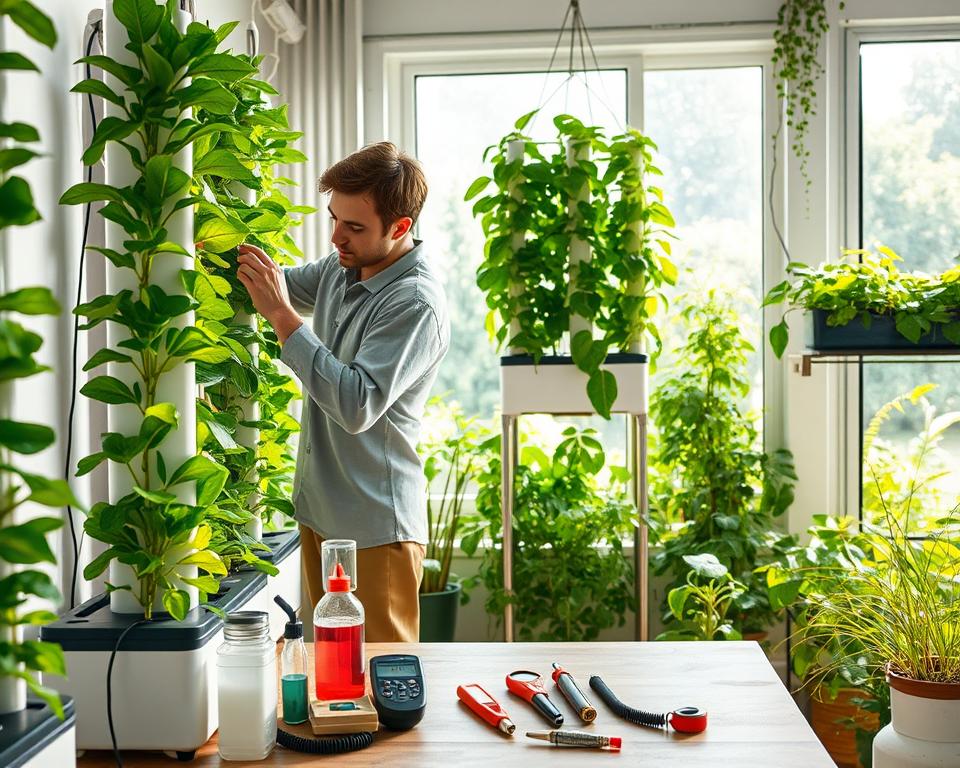
Keeping the temperature steady is vital. Fluctuations can stress plants and make them more likely to get sick. With the right temperature, my plants grow strong and healthy.
Humidity Levels: Keeping It Right
Humidity is also key in hydroponic gardening. Most plants like a relative humidity of 40-60%. I check the humidity with a hygrometer and adjust it as needed.
In dry air, I use humidifiers to add moisture. In humid air, I use dehumidifiers to lower it. This helps prevent water stress and reduces the chance of fungal diseases.
By keeping the humidity right, I help my plants grow well.
pH Levels: Importance and Management
pH management is very important in hydroponic gardening. It affects how plants can use nutrients. Most plants do best in a slightly acidic to neutral pH range (5.5-7.0). I check the pH of my nutrient solution with pH meters and adjust it if needed.
Keeping the pH in the right range helps my plants get the nutrients they need. If the pH is off, it can cause nutrient deficiencies and affect growth.
By managing temperature, humidity, and pH levels carefully, I create the best environment for my hydroponic garden. This attention to detail helps me grow a wide variety of healthy and thriving plants.
Nutrient Management in My Hydroponic System
Nutrient management is key to a hydroponic system’s success. Hydroponic nutrient solutions give plants the nutrients they need to grow.
Mixing Nutrient Solutions
To mix nutrient solutions right, knowing the NPK ratio is important. It affects how plants grow. I aim for a balanced NPK ratio for a complete diet for my plants.
I measure out the nutrients carefully, following the manufacturer’s guide. I also adjust based on my plants’ specific needs.
Monitoring Nutrient Levels
It’s vital to keep an eye on nutrient levels. I use a nutrient monitoring kit to check them often. This helps me make the right adjustments.
Keeping nutrient levels just right helps my plants grow well. This way, my hydroponic garden yields the best results.
Common Nutrient Issues
Even with good management, nutrient problems can happen. Issues include nutrient deficiencies, pH imbalances, and nutrient lockout.
| Nutrient Issue | Cause | Solution |
|---|---|---|
| Nutrient Deficiency | Insufficient nutrients in solution | Adjust nutrient levels, check pH |
| pH Imbalance | pH too high or too low | Adjust pH levels, check nutrient solution |
| Nutrient Lockout | pH imbalance or excessive nutrients | Flush system, adjust pH and nutrient levels |
Knowing and fixing these common problems keeps my hydroponic garden healthy and productive.
Lighting My Hydroponic Garden: A Detailed Approach
Lighting is a big challenge in hydroponic gardening. I’ve learned a lot through trial and error. The right light is key to your plants’ health and growth.
Types of Grow Lights I Prefer
There are many grow light options, like LED, HPS, and fluorescent. LED grow lights stand out for their energy use and light spectrum.
Let’s compare the grow lights I’ve used:
| Type of Grow Light | Energy Efficiency | Spectrum Control | Cost |
|---|---|---|---|
| LED | High | Excellent | Moderate to High |
| HPS | Moderate | Good | Low to Moderate |
| Fluorescent | High | Fair | Low |
Light Schedules: How I Manage Them
Light schedules are key for plant health. Plants need light and dark in balance. I use a timer for consistent lighting.
Seedlings need less light than mature plants. I adjust my lights for each stage. This ensures my plants get the right light.
Adjusting Light for Different Plant Stages
Changing light for plant stages is important. Seedlings need softer light than grown plants. I’ve set up my lights to meet these needs.
With the right lighting, your hydroponic garden will thrive. It’s all about understanding and using the right light strategy.
Pest and Disease Control in Hydroponics
As I grew my hydroponic garden, I learned how key pest and disease control is. Hydroponic systems are efficient but can get pests and diseases if not cared for.
Preventing Pests in My Hydroponic Garden
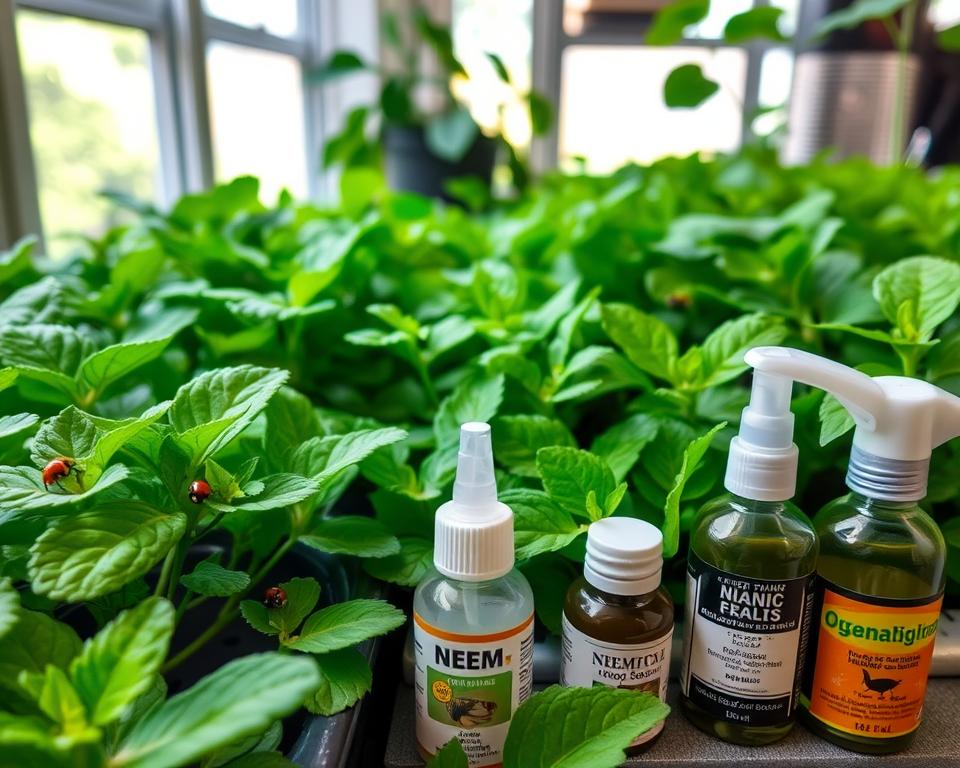
To stop pests, I mix hygiene, watching for signs, and organic pest control. Keeping my grow area clean and checking my plants often are key.
I use sticky traps and neem oil to fight pests like aphids and spider mites. These methods are safe for my plants and the planet.
Effective Treatment Methods for Hydroponic Gardens
Even with prevention, problems can pop up. Having good treatments is vital. For fungal diseases, I use fungicides safe for hydroponics. Bacterial diseases need a different fix, often removing sick plants to stop it from spreading.
- Identify the problem early
- Use appropriate treatments
- Maintain good hygiene
The Benefits of Maintaining Cleanliness
Keeping my hydroponic garden clean is key to stopping pests and diseases. It’s not just about the plants but also the equipment and area. Regular cleaning and disinfection stop harmful organisms from growing.
By keeping my system clean and well-kept, I lower the chance of pests and diseases. This makes my garden healthier and more productive.
Harvesting My Hydroponically Grown Plants
Harvesting hydroponically grown plants is a rewarding process. It requires careful planning and timing. Looking back, I see the harvest as more than just getting the fruits of my labor. It’s about understanding the process.
Knowing When to Harvest
Finding the right time to harvest is key. I check for signs of maturity like color, size, and texture. For example, leafy greens are ready when they’re full color and tender.
Monitoring plant health is important. I watch for any signs of stress or disease. This ensures the quality of my harvest.
My Favorite Harvesting Techniques
I’ve developed some favorite harvesting techniques. For leafy greens, I cut the leaves just above the crown. This lets the plant regrow. For fruiting plants like tomatoes, I wait for them to ripen fully before picking.
Gentle handling is essential. I handle the crops carefully to keep their quality.
Post-Harvest Storage Tips
Proper storage is vital after harvesting. I store leafy greens in a cool, humid place. This is often the refrigerator, wrapped in a damp cloth to keep moisture in.
For fruits and vegetables, I follow specific storage guidelines. For example, tomatoes should be stored at room temperature, away from sunlight, until ripe.
By following these guidelines, I enjoy a bountiful harvest. I get to savor the fresh flavors of my labor.
Tips for Sharing My Hydroponic Experience
Sharing tips and learning from others is rewarding in hydroponic gardening. Connecting with gardeners has boosted my knowledge and created a sense of community.
Engaging with Local Gardening Communities
Local gardening communities have been key to my hydroponic journey. Joining clubs or attending workshops has allowed me to share indoor hydroponic systems knowledge. These events are great for exchanging tips and celebrating gardening wins.
“Gardening is a journey, not a destination,” a wise gardener once said. This quote reminds me of the value of ongoing learning and sharing in gardening.
Sharing My Success on Social Media
Social media is vital for sharing my hydroponic successes. Posting updates and photos has helped me share DIY hydroponic system tips. It inspires others to try hydroponic gardening.
- Share progress photos to showcase the growth and health of your plants.
- Provide tips and advice based on your experiences.
- Engage with your followers by responding to comments and questions.
Learning from Other Hydroponic Gardeners
Learning from other gardeners is invaluable. Online forums and social media groups offer insights into new techniques and products. This exchange has helped me improve my hydroponic gardening tips and solve common problems.
“The best way to learn is by doing and sharing with others.” This philosophy is true in hydroponic gardening, where the community is full of knowledge and experience.
By following these practices, I’ve enhanced my hydroponic system and contributed to a supportive community.
Reflections on My Hydroponic Journey
Looking back, I see the good and the tough parts of my hydroponic journey. This guide has changed how I garden indoors.
Key Takeaways
I’ve picked up many tips on hydroponics. From choosing the right gear to keeping the right growing conditions. Learning about nutrients and pH balance is key for beginners.
Future Plans
I’m looking forward to growing more and trying new things. I want to show off what hydroponics can do.
Sharing the Experience
I think others should give hydroponics a try. It’s been great for me. With the right help, anyone can do well with hydroponics. I hope my story will encourage others to try it.