


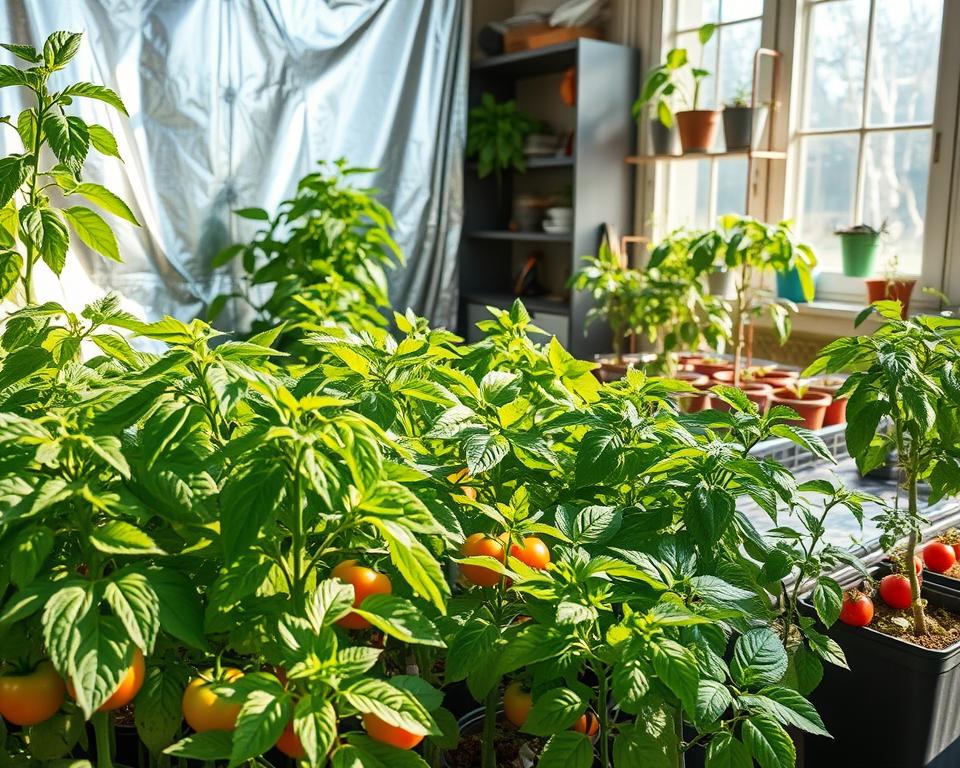
As a gardener, I’ve found that plants grown with reflective Mylar can increase yields by up to 20%. This simple yet effective technique has changed my gardening approach. Reflective Mylar reflects light onto plants, boosting photosynthesis and promoting healthier growth.
I’ll share my knowledge on using reflective materials to create the best growing environment for your plants. This technique is easy to use and can greatly improve your plant’s health and productivity.
Key Takeaways
- Reflective Mylar can increase plant yields by up to 20%
- Enhancing photosynthesis promotes healthier plant growth
- Using reflective materials is a simple and effective gardening technique
- Optimal growing environments can be created with reflective Mylar
- Improved plant health and productivity can be achieved
What is Reflective Mylar?
Reflective Mylar is a type of plastic sheeting that reflects light onto plants. This helps them grow healthier. It’s a key tool in modern gardening, loved by both indoor gardeners and commercial growers.
Understanding Mylar’s Properties
Mylar, or BoPET, is a strong polyester film. It’s known for reflecting a lot of light. Reflective Mylar is durable and can handle many environmental factors. It boosts the light plants get, which is vital for photosynthesis and health.
Different Types of Reflective Mylar
There are many types of reflective Mylar, each with its own benefits. Here are a few:
- Flat Mylar: Offers a smooth reflection and is simple to clean.
- Embossed Mylar: Has a textured surface that spreads light, avoiding hotspots.
- Colored Mylar: Comes in different colors to reflect specific light wavelengths good for plants.
Knowing about these types helps gardeners pick the best one for their needs. This makes their gardening more effective.
Benefits of Using Reflective Mylar
Reflective Mylar brings many advantages to gardening. It makes growing plants more efficient and productive. Gardeners can create a better environment for their plants.
Increased Light Efficiency
Reflective Mylar boosts light efficiency. It reflects light onto plants, giving them more photons for photosynthesis. This leads to healthier and stronger plants, which is great for indoor gardens where light is limited.
- Maximizes light utilization
- Enhances photosynthesis
- Promotes healthier plant growth
Enhanced Plant Growth Rates
Reflective Mylar speeds up plant growth. It ensures plants get light evenly, helping them grow faster and more evenly. Plants with reflective Mylar can grow up to 20% more than those without.
To get the best results, it’s important to choose the right Mylar for your garden. Different Mylars have different levels of reflectivity and durability.
Better Temperature Regulation
Reflective Mylar also helps control temperature. It reflects heat away from plants, keeping the temperature stable. This prevents plants from getting too hot and stressed.
| Benefit | Description | Impact |
|---|---|---|
| Increased Light Efficiency | More photons available for photosynthesis | Healthier and more robust growth |
| Enhanced Plant Growth Rates | Uniform light distribution | Faster and more even growth |
| Better Temperature Regulation | Reduced radiant heat | More stable temperature |
By using reflective Mylar wisely, gardeners can improve their gardening results. They can grow healthier and stronger plants.
How Reflective Mylar Works
Reflective Mylar reflects light, not absorbs it, which helps plants grow. This is key for plants needing lots of light. Let’s explore how it works.
Reflective Mylar reflects light, sending it back to plants. This increases the light they get. It’s a simple yet effective way to help plants grow.
Reflection versus Absorption
Reflection and absorption are two different ways light interacts with materials. Absorption takes in light, turning it into heat. Reflection, on the other hand, sends light back, keeping its energy for plants.
Here’s a table showing how reflection and absorption affect plants:
| Light Interaction | Effect on Plants |
|---|---|
| Reflection | Increased light availability for photosynthesis |
| Absorption | Conversion of light into heat, potentially leading to overheating |
Reflection is better for plants because it gives them more light for photosynthesis.
Light Spectrum Considerations
Not all light is good for plants. Different plants need different light types. Some need blue light for growth, while others need red light for flowers.
“Plants have specific light requirements that can be met by adjusting the light spectrum. Reflective Mylar can help by reflecting the necessary wavelengths onto the plants.”
Reflective Mylar can reflect specific light types. Knowing what your plants need helps use it better.
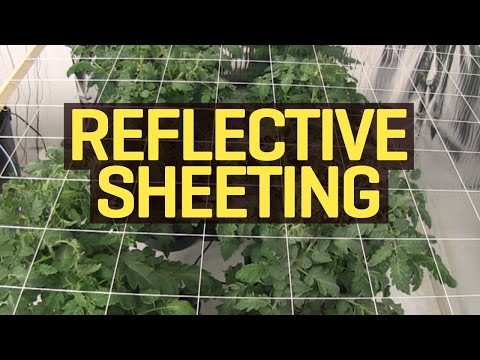
In summary, reflective Mylar boosts plant growth by reflecting light. Understanding reflection and light spectrum helps growers use it well.
Installation Tips for Reflective Mylar
Setting up reflective Mylar right can really boost your growing space. It’s important to follow some key steps for the best results.
Best Practices for Setup
Make sure the Mylar is properly secured to avoid sagging or falling. Use clips, adhesive strips, or a frame to keep it tight.
For the best reflection, angle the Mylar to bounce light onto your plants. Try different angles to find what works best for your space.
Common Mistakes to Avoid
Don’t forget to clean the Mylar before you start. Dust and dirt can lower its effectiveness.
Also, avoid overlapping or leaving gaps in the Mylar. This can cause uneven light. Plan your layout carefully to cover everything evenly.
Safe Handling Guidelines
When handling Mylar, avoid touching the surface. Skin oils can damage it over time. Wear gloves if you must touch it.
Be careful when cutting the Mylar to size. Use sharp tools and a stable surface to avoid accidents.
By following these tips, you can make your reflective Mylar work better. This will help create a more efficient growing space for your plants.
Where to Use Reflective Mylar
Reflective Mylar is great for growing plants indoors or outdoors. It can be used in many places to help plants grow better and produce more.
Indoor Growing Spaces
Grow tents and indoor gardens do well with reflective Mylar. By covering walls and ceilings with Mylar, plants get more light. This leads to healthier growth.
Maximizing Indoor Space: Make sure Mylar is installed right. Cover all surfaces that can reflect light to your plants. This boosts light efficiency and keeps temperatures steady.
Greenhouses and Outdoor Gardens
Reflective Mylar works well outside too. In greenhouses, it spreads light evenly. Outdoors, it reflects extra light to plants, even in shady spots.
Outdoor Considerations: When using Mylar outside, pick a weather-resistant type. This ensures it lasts longer and works better.
Hydroponic Systems
Hydroponic systems grow plants in nutrient-rich solutions, not soil. Reflective Mylar boosts light, helping plants grow faster and stay healthy.
Optimizing Hydroponics: Place Mylar to reflect light well on plants. But make sure it doesn’t block the system or plant growth.
How to Maintain Reflective Mylar
To keep your reflective Mylar working well, regular care is important. Keeping it in good shape is key to its effectiveness. This ensures it continues to offer the benefits of using Mylar for plants, like better light and faster growth.
Cleaning Mylar Surfaces
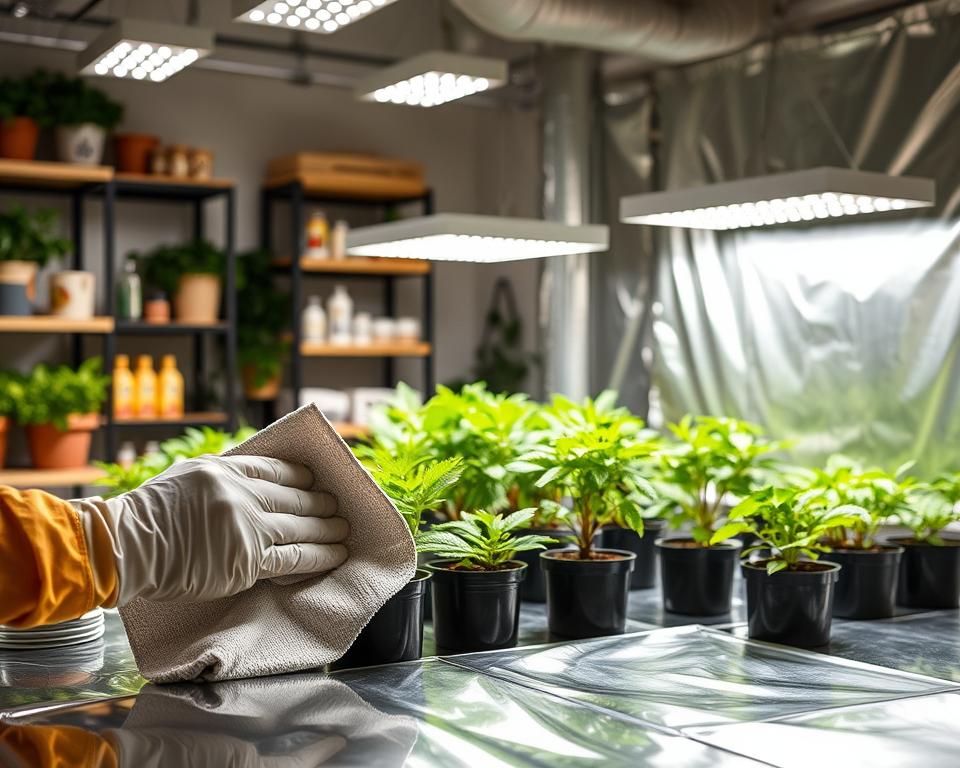
Cleaning is a big part of keeping reflective Mylar in top shape. Dust and dirt can build up and lower its performance. To clean, use a soft, dry cloth to wipe it gently.
If there’s stubborn dirt, a damp cloth might help. But make sure to dry it well to avoid water spots.
Stay away from harsh chemicals or rough cleaners that could harm the Mylar. Regular cleaning keeps it reflective and helps your plants get the most light.
Checking for Damage or Wear
It’s important to check your reflective Mylar often for damage or wear. Look for tears, creases, or any other signs of wear that could affect its performance. If you find damage, you need to fix or replace it to keep it working right.
By following these tips, you can make your reflective Mylar last longer. This way, your plants will get the best light, leading to healthy growth and development.
Choosing the Right Mylar for Your Plants
Reflective Mylar can greatly help your plants grow. But, picking the right one is important. There are many options, so think about a few key things to get the best Mylar.
Key Factors to Consider
When picking Mylar for your plants, remember a few important things. These include:
- Reflectivity: Find Mylar that reflects a lot of light to help your plants.
- Durability: Pick Mylar that lasts long and can handle your growing space’s conditions.
- UV Resistance: Make sure the Mylar doesn’t break down when exposed to UV light.
- Size and Shape: Think about the Mylar’s size and shape to make sure it fits your space.
By thinking about these points, you can pick the best Mylar for your plants. This will help them grow and develop well.
Recommended Brands and Products
Here are some top brands and products for reflective Mylar:
| Brand | Product | Reflectivity | Durability |
|---|---|---|---|
| Gawruron | Reflective Mylar Film | 95% | High |
| MylarMax | Pro Reflective Mylar | 98% | Very High |
| GrowTech | Reflective Mylar Sheet | 92% | Medium |
As the table shows, different brands offer different levels of reflectivity and durability. It’s smart to look around and compare to find what works best for you.
By picking the right reflective Mylar, you can make a great place for your plants to grow. Think about reflectivity, durability, and size to create the best environment.
Combining Mylar with Other Grow Techniques
Using reflective Mylar with other grow methods can make growing more efficient and effective. This mix can lead to better yields and healthier plants.
Reflective Mylar works well with LED grow lights. LED grow lights provide a specific spectrum that promotes plant growth. Reflective Mylar reflects this light back onto the plants, making it more efficient.
Pairing Mylar with LED Grow Lights
When using reflective Mylar with LED grow lights, consider the light spectrum and intensity. LED grow lights have different spectrums, each suited for different plants. For example, blue light promotes vegetative growth, and red light encourages flowering. This way, plants get the right amount of light.
A leading expert says, “Using reflective Mylar with LED grow lights can increase light intensity by up to 20%.”
“The combination of LED grow lights and reflective Mylar is a powerful tool for maximizing plant growth and yields.”
Using Mylar in Grow Tents
Grow tents also benefit from reflective Mylar. Lining the tent with Mylar creates a reflective environment that maximizes light distribution. This is great for plants that need lots of light.
Using reflective Mylar in grow tents also helps reduce heat buildup. It reflects light back onto the plants, keeping temperatures consistent. This reduces the risk of overheating.
Mylar Safety and Environmental Impact
Reflective Mylar boosts plant growth, but its safety and environmental effects are key. As gardeners use Mylar more, knowing its impact is vital.
Is Mylar Safe for Plant Growth?
Reflective Mylar is usually safe for plants when used right. It spreads light evenly and boosts photosynthesis, making plants healthier. But, it must not overheat or cause light burn.
To safely use Mylar, gardeners should follow the maker’s advice. Keep Mylar at the right distance from plants. For more on Mylar in hydroponics, check this page.
Recycling and Disposing of Mylar
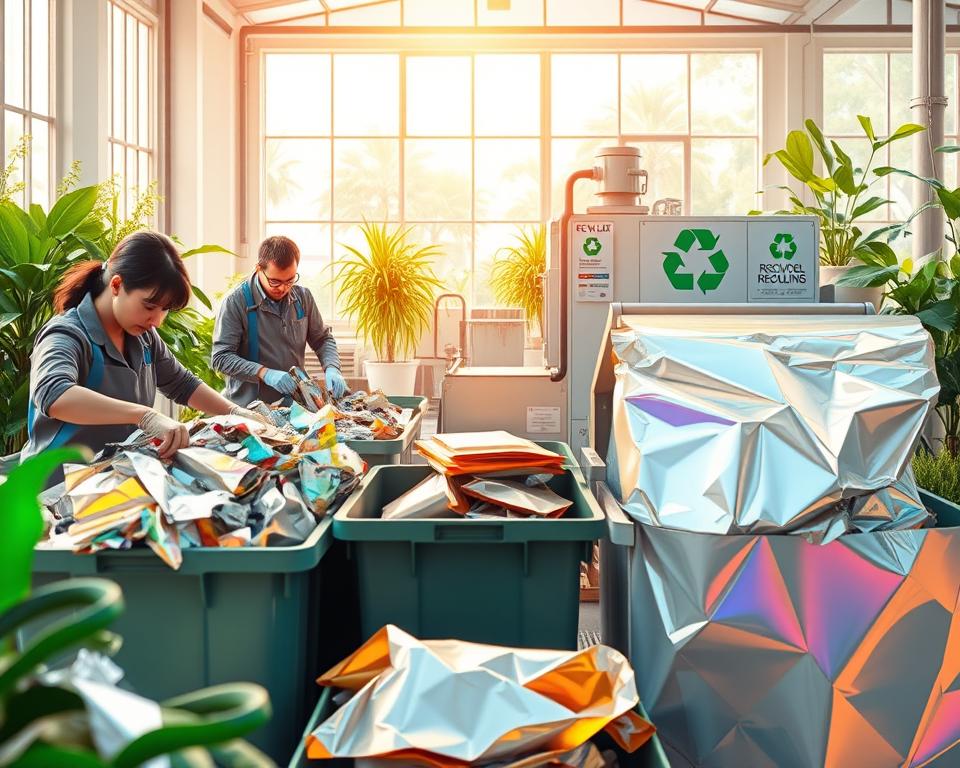
Mylar, a polyester film, can be recycled, but recycling rules differ by area. Check with local waste services to see if they recycle Mylar.
If recycling is not possible, dispose of Mylar carefully to lessen harm. Avoid burning Mylar as it emits toxic fumes.
| Disposal Method | Environmental Impact | Recommendation |
|---|---|---|
| Recycling | Low | Preferred |
| Landfill | Moderate | Acceptable if recycling not available |
| Burning | High | Not Recommended |
By using Mylar responsibly, gardeners can reduce its environmental harm. This way, they can enjoy its benefits for plant growth.
Troubleshooting Common Issues with Mylar
Reflective Mylar is great for indoor gardening, but it can cause problems like overheating and light burn. Knowing how to fix these issues is key to getting the most out of Mylar.
Addressing Overheating
Overheating is a big problem with Mylar, mainly in small or poorly ventilated spaces. Make sure your grow area has good airflow to get rid of extra heat.
Here are some ways to fight overheating:
- Install fans to move air around
- Use a ventilation system to take out hot air
- Keep a close eye on the temperature
Preventing Light Burn on Plants
Light burn happens when plants get too much intense light, which Mylar can make worse. It’s important to use Mylar wisely and match it with the right light.
Here are some tips to avoid light burn:
- Change the distance between the light and plants
- Use diffusers to make the light softer
- Watch how plants react to light
To show how Mylar affects plants and possible problems, look at this comparison:
| Factor | Without Reflective Mylar | With Reflective Mylar |
|---|---|---|
| Light Intensity | Moderate | High |
| Temperature | Stable | Potential for Overheating |
| Plant Growth Rate | Normal | Enhanced |
By tackling these common problems, growers can make the most of Mylar for their plants.
User Testimonials and Success Stories
Reflective Mylar has changed the game for many growers. It boosts plant yields and improves growing experiences. This technology has made a big difference in plant health and productivity.
Real-Life Experiences from Growers
Growers love reflective Mylar. A hydroponic farmer saw a 25% increase in crop yield after using it. “It was like night and day,” they said. “Our plants were healthier, and they grew faster.”
Another grower uses Mylar in a greenhouse. They said it regulated the temperature better. “We used to have overheating issues, but Mylar fixed that,” they explained.
Before-and-After Comparisons
Let’s see how reflective Mylar works. A grower covered their grow tent with Mylar. Before, plants were weak. After, they were stronger and healthier, with more leaves and flowers.
A commercial grow operation also saw big changes. They used Mylar in one area and not in another. The Mylar area had more plants and better yields. This shows Mylar’s real benefits.
Growers can make the most of their crops with reflective Mylar. It’s great for both new and experienced growers. Adding Mylar to your growing strategy can be very helpful.
Conclusion: Transforming Your Growing Experience
Using reflective Mylar can change how you grow plants. It’s a simple way to make your plants grow faster and healthier. Reflective Mylar helps a lot in plant development.
Key Takeaways
Reflective Mylar boosts light efficiency and plant growth. It also helps control temperature. By using Mylar, you can make your plants thrive better.
Getting Started with Mylar
Try using reflective Mylar in your growing space. It works well indoors or in greenhouses. Follow the tips in this article to see how Mylar can help your plants.