


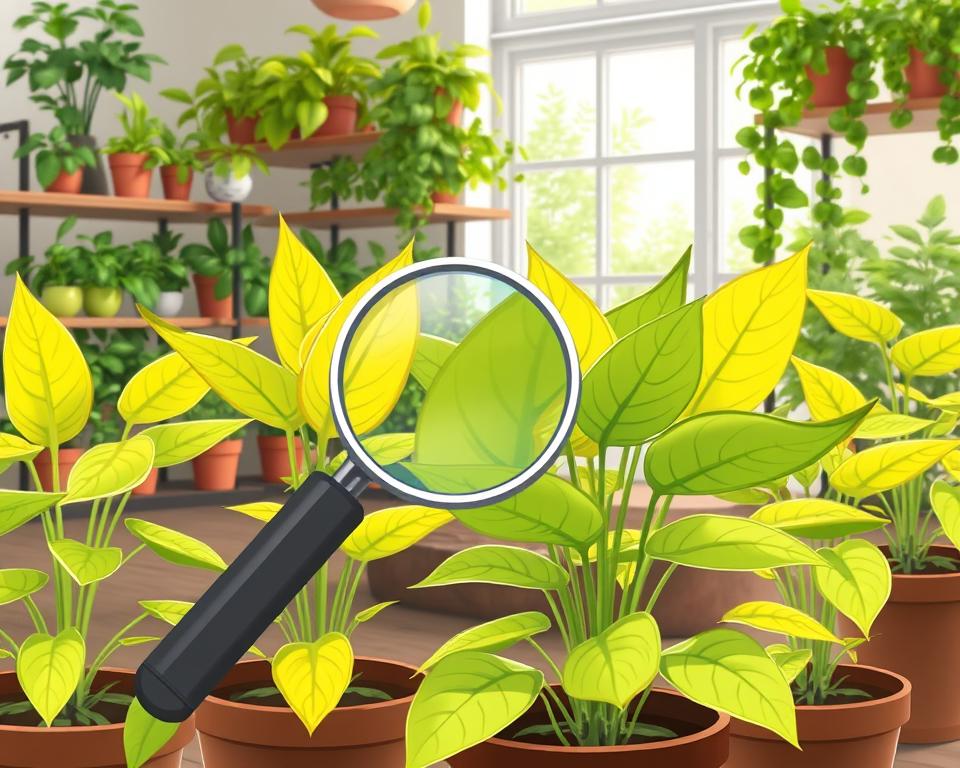
Did you know that over 70% of houseplants get yellow leaves at some time? This issue can come from many things, like not enough nutrients or too much stress.
As a plant enthusiast, I’ve faced this problem many times. I’ve learned how to fix it. In this article, I’ll give you expert tips on finding out why your plants’ leaves turn yellow. I’ll also show you how to make them healthy again.
Key Takeaways
- Common causes of yellow leaves on plants
- How to identify the underlying issue
- Effective solutions to restore plant health
- Tips for preventing future problems
- Expert advice for maintaining healthy plants
Understanding Why Leaves Turn Yellow
Seeing yellow leaves can worry plant owners. But knowing why they turn yellow is the first step to fixing the problem. In my plant care journey, I’ve learned that yellow leaves are more than just a cosmetic issue. They often show problems that need fixing.
Common Causes of Yellowing Leaves
Several things can make leaves turn yellow, like nutrient deficiencies, overwatering, and pests. Nutrient deficiencies can stop plants from growing well, causing yellow leaves. Too much water can also harm roots, making it hard for plants to get nutrients.
Finding out why leaves turn yellow is key to fixing the problem. For example, if leaves turn yellow because of too little nitrogen, using a nitrogen-rich fertilizer can help.
Importance of Leaf Health
Leaf health is essential for a plant’s well-being. Leaves are important for photosynthesis, which helps plants make food. Healthy leaves mean a healthy plant that can grow and thrive.
To keep leaves healthy, you need to do more than just treat symptoms. You must understand the reasons behind yellow leaves. This includes making sure plants get the right nutrients, water them right, and protect them from pests and diseases.
Signs of Underlying Issues
Yellow leaves can also show other signs of problems. For example, if leaves are yellow and wilting or droopy, it might mean the plant is not getting enough water or has root issues. Yellow leaves with black spots could mean a fungal infection.
Spotting these signs early helps diagnose problems quickly. This ensures your plant stays healthy and lives a long life.
Nutrient Deficiencies and Plant Health
Plants need a balanced diet of nutrients to stay healthy. A lack of these can cause yellow leaves. Nutrient deficiencies are common and can harm plant health, leading to leaf discoloration.
Essential Nutrients for Plants
Plants thrive on a variety of nutrients. They need macronutrients like nitrogen, phosphorus, and potassium. They also need micronutrients such as iron, zinc, and magnesium.
Nitrogen is key for leaf growth and chlorophyll. Phosphorus helps with root development and flower production. Potassium boosts overall plant health and fights disease.
Identifying Nutrient Deficiencies
Spotting nutrient deficiencies involves watching for symptoms. A nitrogen shortage turns older leaves yellow. Iron deficiency makes younger leaves yellow between the veins.
Knowing these signs helps you fix the problem. You might adjust your fertilization or change the soil.
Remedies for Nutrient Issues
Fixing a nutrient deficiency has several solutions. Fertilizers can help, but choose the right one and use it correctly. Over-fertilizing is bad.
Using a balanced fertilizer can tackle many deficiencies at once. Soil testing also helps. It shows the pH level and nutrient content, guiding your decisions.
Understanding and fixing nutrient deficiencies greatly improves plant health. It prevents yellow leaves and keeps plants vibrant and healthy.
Watering Problems: Too Much or Too Little?
Watering is key to plant care. Getting it right can make all the difference. Many struggle with this, but it’s often easy to fix once you know what to look for.
Recognizing Overwatering Symptoms
Overwatering can cause root rot, where roots decay from too much moisture. Signs of overwatering include:
- Yellowing leaves that drop easily
- Soft, mushy stems
- Water pooling around the base of the plant
If you see these signs, change your watering schedule right away. Check soil moisture by inserting your finger up to the first knuckle. If it’s wet, wait a few more days before watering again.
Signs of Underwatering
Underwatering also causes stress, leading to yellow leaves. Signs that your plant is not getting enough water include:
- Dry, crispy leaves
- A wilted appearance
- Slow growth
To fix this, water your plants well, making sure water reaches the roots. But don’t overdo it to avoid overwatering.
Best Watering Practices for Plants
So, how do you find the right balance? Here are some best watering practices to follow:
- Check the soil moisture regularly.
- Water your plants in the morning to give the plants the entire day to absorb the water.
- Avoid getting water on the leaves to prevent fungal diseases; instead, water at the soil level.
- Adjust your watering schedule according to the season; plants generally need more water during the growing season.
By following these guidelines, you can avoid many common watering problems. This will help keep your plants healthy and thriving.
Soil Quality and pH Levels
The health of your plants depends on the soil they grow in. Soil gives plants the nutrients, water, and support they need. So, it’s key to understand and manage soil quality for garden troubleshooting and healthy plants.
The Role of Soil in Plant Health
Soil quality impacts plant health in many ways. It affects how well plants get nutrients, hold water, and grow roots. Good soil with the right pH balance helps prevent yellow leaves. But, bad soil can make yellow leaves worse.

Testing Soil pH
Testing your soil’s pH is easy with DIY kits or lab analysis. Knowing your soil’s pH helps you see if it’s too acidic or alkaline. Most plants like a slightly acidic to neutral soil pH (around 6.0-7.0). But, some plants need different pH levels.
Amending Soil for Better Growth
After finding out your soil’s pH and quality, you can fix it if needed. Adding compost can make soil better for plants. If your soil is too acidic or alkaline, you can use special amendments to change its pH.
For example, lime can make acidic soils more alkaline. And, elemental sulfur can make alkaline soils more acidic.
By improving soil quality and adjusting pH levels, you help your plants grow well. This reduces yellow foliage and boosts plant health.
Pests and Diseases Affecting Plants
Identifying pests and diseases is key to fixing yellow leaves on your plants. Quick action can help your plant get better.
Common Pests That Cause Yellow Leaves
Pests often cause yellow leaves. Some common pests include:
- Aphids: These small, soft-bodied insects feed on plant sap, causing leaves to turn yellow.
- Whiteflies: Like aphids, whiteflies consume sap, weakening the plant and leading to yellow leaves.
- Spider mites: These tiny mites suck the sap from leaves, causing discoloration and yellowing.
Table: Common Pests and Their Effects
| Pest | Effect on Plants |
|---|---|
| Aphids | Feed on sap, causing curled or distorted leaves |
| Whiteflies | Consume sap, leading to weakened plants and yellowing |
| Spider mites | Suck sap, causing leaves to become discolored and yellow |
Identifying Fungal and Bacterial Infections
Fungal and bacterial infections can also cause yellow leaves. Fusarium wilt is a fungal infection that can lead to yellowing and wilting of leaves. Bacterial leaf spot causes yellow or black spots on leaves.
To identify these infections, look for signs such as:
- Black or yellow spots on leaves
- White, cottony growth on stems or leaves
- Soft, mushy areas on the plant
Treatments for Affected Plants
Once you’ve identified the pest or disease, you can take action. For pests, use insecticidal soap or neem oil. For fungal infections, remove affected leaves and treat with a fungicide. Bacterial infections may require removing infected areas and improving air circulation around the plant.
By taking these steps, you can help your plants recover from pests and diseases. This will restore their health and prevent further yellowing of leaves.
Light Requirements for Various Plants
It’s important to make sure your plants get the right amount of light. Different plants need different amounts of light. Knowing what your plants need helps prevent problems like yellowing leaves.
Understanding Light Needs
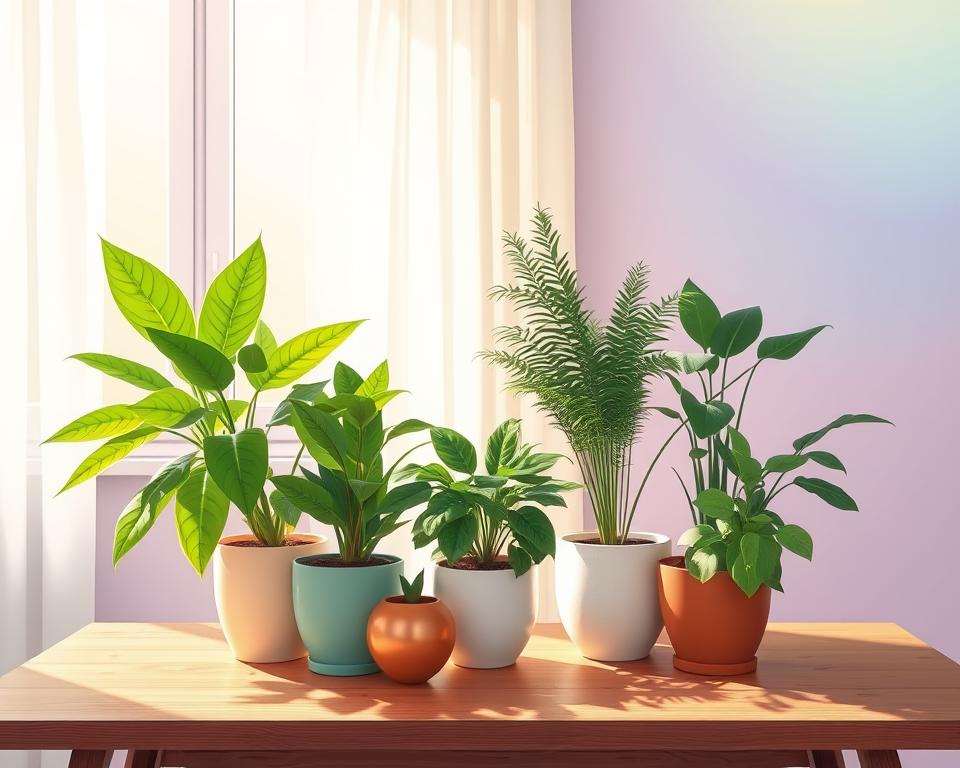
Plants need light for photosynthesis, which is how they make food. The type and amount of light needed varies by plant. For example, succulents and cacti love bright, direct light. On the other hand, ferns and peace lilies do better in the shade.
To figure out what your plants need, think about where they come from. Plants from sunny places need more light than those from shady areas.
Signs of Insufficient Light
Plants that don’t get enough light might turn yellow, grow weak, or stop flowering. If you see these signs, check if your plants are getting enough light.
Not enough light can cause many problems. It’s important to fix this issue quickly. You can move plants to brighter spots or use grow lights to help.
Adjusting Light Exposure
To adjust the light for your plants, you need to know their specific needs. If a plant needs more light, move it to a sunnier spot or add grow lights. For plants that prefer less light, find a shadier place for them.
| Plant Type | Light Requirement | Adjustment Tips |
|---|---|---|
| Succulents & Cacti | Bright, Direct Light | Place near south-facing windows or use grow lights. |
| Ferns & Peace Lilies | Indirect or Filtered Light | Position near north-facing windows or use sheer curtains to filter light. |
| Tropical Plants | Bright, Indirect Light | Use east or west-facing windows for optimal light exposure. |
By understanding and meeting your plants’ light needs, you can prevent yellow leaves and encourage healthy growth. Always check on your plants and make changes as needed to keep them happy and healthy.
Temperature and Humidity Effects
To keep your plants thriving, it’s key to know how temperature and humidity affect them. Both are vital in plant care, impacting leaf health and plant vitality.
Ideal Temperature Range for Plants
Most houseplants like daytime temperatures between 65-75°F (18-24°C) and cooler nights around 55-65°F (13-18°C). But, the best temperature varies by plant type.
Tropical plants like orchids and bromeliads love warmer temperatures, often over 70°F (21°C). On the other hand, cacti and succulents can handle warmer days but prefer cooler nights.
| Plant Type | Ideal Daytime Temperature | Ideal Nighttime Temperature |
|---|---|---|
| Tropical Plants | 70-85°F (21-29°C) | 65-75°F (18-24°C) |
| Cacti and Succulents | 65-90°F (18-32°C) | 55-65°F (13-18°C) |
| Temperate Plants | 60-75°F (15-24°C) | 50-65°F (10-18°C) |
Humidity’s Impact on Leaf Color
Humidity affects plants by influencing their water balance. Low humidity can cause plants to lose water fast, leading to stress and yellow leaves.
Maintaining the right humidity level is key, more so for plants from humid places. You can boost humidity around your plants with a humidifier or by placing the pot on a tray with water and pebbles.
Creating Optimal Conditions
To create the best conditions for your plants, keep an eye on temperature and humidity. Adjust these factors based on your plants’ needs to avoid yellow leaves.
By managing temperature and humidity, you’ll be able to diagnose plant issues and fix them. This ensures your plants stay healthy and flourish.
Seasonal Changes and Their Impact
As seasons change, your plants face new challenges. It’s important to understand these changes to care for them well.
How Seasons Affect Plant Health
Seasons change temperatures, humidity, and daylight. These changes affect your plants’ health. For example, summer’s heat and sun can dry out plants if not watered enough. Winter’s cold and less light can stress plants too.
Summer Care: Make sure plants get enough water. Also, give shade to plants that can’t handle direct sun.
Winter Care: Keep plants safe from frost. Water them less because they grow slower in cold weather.
Preparing Plants for Seasonal Shifts
Getting ready for seasonal changes is key. First, check how your plants are doing. Then, adjust their care as needed.
- Check soil moisture more often in hot seasons.
- Change your watering schedule with the seasons.
- Repot plants in spring when they’re most active.
Best Practices for Seasonal Care
Good seasonal care helps your plants stay healthy. Watch temperature changes, adjust light, and keep humidity right.
Monitoring Temperature: Watch both day and night temperatures. Make sure they’re good for your plants.
By being proactive and adjusting care with the seasons, you can avoid many problems. This includes yellow leaves.
Prevention Tips for Healthy Leaves
To keep your plants’ leaves looking great, follow some simple tips. Keeping leaves healthy is key for your plants’ well-being. It all starts with regular checks and care.
Regular Inspection and Maintenance
Inspecting your plants regularly is vital. Look for pests, diseases, or nutrient issues weekly. Early detection helps fix problems before they get worse.
Maintenance is more than just looking at your plants. It also means pruning dead or dying leaves. This makes your plants look better and stops disease spread. Use clean, sharp tools to avoid damage.
Proper Fertilization Techniques
Fertilizing is key for plant care. The right fertilizer gives your plants the nutrients they need. Choose a balanced fertilizer that fits your plant type. Avoid over-fertilizing to prevent harm.
Follow the fertilizer package’s instructions for the right amount. Too much fertilizer can hurt your plants. It’s safer to be cautious.
Tips for Soil and Water Management
Good soil and water care are essential for healthy leaves. Make sure your soil drains well to avoid root rot. Check the soil moisture by feeling it with your finger. If it’s dry, it’s time to water.
Water in the morning so leaves can dry during the day. This helps prevent fungal diseases. Also, repot your plants to refresh the soil and give them more room if needed.
By following these tips, you’ll enjoy healthy, vibrant leaves on your plants. A little care and attention make a big difference in your plants’ health.
When to Consult a Professional
If your plants keep getting yellow leaves, it might be time to get help from a pro. Many problems can be fixed with the right care. But some need expert advice to solve.
Signs It’s Time to Seek Help
There are signs that mean you should get professional help for your yellow leaves. These include:
- Persistent yellowing despite adjusting watering, fertilization, and light exposure.
- Presence of pests or diseases that you’re unsure how to treat.
- Unusual growth patterns or deformities.
- Failure to respond to remedies that should work based on your research.
Choosing the Right Specialist
Choosing the right specialist is key when you decide to get help. Consider these points:
- Look for experts in the specific type of plant you’re dealing with.
- Check for certifications or memberships in horticultural societies.
- Read reviews or ask for referrals from other gardeners.
Questions to Ask a Plant Expert
Prepare a list of questions for your consultation. Some examples are:
- What could be causing the persistent yellow leaves on my plant?
- Are there specific care adjustments I can make to improve my plant’s health?
- Are there any treatments or remedies you recommend trying?
Seeking professional help can give you valuable insights and effective plant care tips. Don’t hesitate to reach out to experts when you’re unsure about troubleshooting yellow plant leaves.
Conclusion: Keeping Your Plants Green and Thriving
Fixing yellow leaves on plants needs a full plan. You must know the reasons, spot the problems, and fix them. By tackling common issues and using the right fixes, you can make your plants healthy again.
Key Takeaways for Healthy Plants
Problems like nutrient gaps, watering issues, and pests can turn leaves yellow. Regular checks, right fertilizing, and good watering habits can stop these. Knowing what your plants need, like light and temperature, is key too.
Monitoring and Adjusting
Watching your plants’ health closely and tweaking as needed is vital. Being quick to act can stop yellow leaves and keep your plants lively and green.
Final Tips for Plant Care
Follow the tips in this article to keep your plants healthy and green. Always be alert and get expert advice if you’re not sure what to do for your plants.