


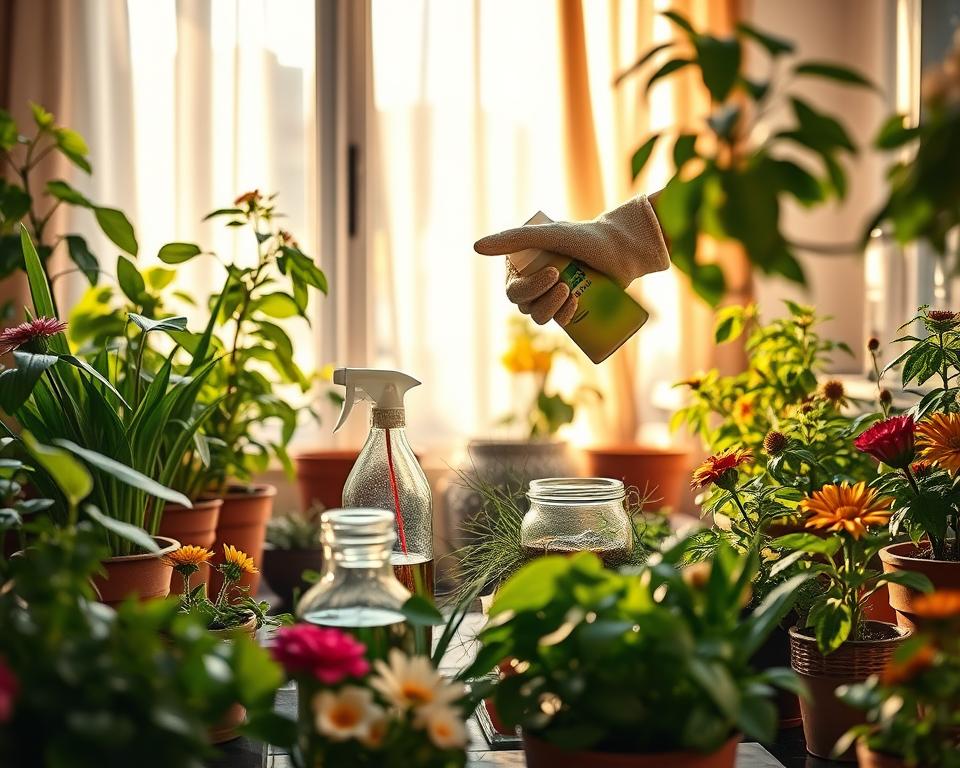
As an indoor gardener, I’ve faced the problem of pests in my plants. It’s surprising that almost 80% of gardeners deal with this issue. It can harm plants and pose health risks.
Choosing eco-friendly pest control is good for your plants and the environment. With organic pest control methods, you can fight pests safely. This way, you avoid using harsh chemicals.
In the world of indoor gardening, I’m eager to share tips for a pest-free garden. We’ll look at green solutions to common pest problems.
Key Takeaways
- Effective methods for controlling pests in indoor gardens
- Eco-friendly strategies for a healthier environment
- Organic pest control methods for plant health
- Benefits of adopting natural pest control
- Simple ways to maintain a pest-free indoor garden
Introduction to Natural Pest Control
Using natural pest control has helped me create a healthy space for my plants. As I care for my indoor garden, I see the many benefits of using non-toxic methods.
Benefits of Going Natural
One big plus of natural pest control is a safe space for my plants to grow. By not using chemical pesticides, I keep my plants safe from harmful toxins. This not only keeps my plants healthy but also makes my home safer.
Some key benefits of natural pest control include:
- Less exposure to toxic chemicals
- A balanced ecosystem
- Protection of good insects
Environmental Impact
The good news about natural pest control is its impact on the environment. Chemical pesticides can harm soil, water, and air, damaging our ecosystems. On the other hand, chemical-free pest control solutions are better for the planet and fit with eco-friendly living.
“Using natural pest control is key to reducing our environmental impact and supporting biodiversity.”
Cost-Effectiveness
Natural pest control is also good for your wallet. While it might cost more upfront, it saves money in the long run. By choosing natural methods, I’ve cut down on expensive chemical pesticides and need to apply them less often.
Looking at the cost of natural versus chemical pest control shows natural is often cheaper. For example:
| Method | Initial Cost | Long-term Cost |
|---|---|---|
| Natural Pest Control | $10 (one-time purchase) | $5 (maintenance) |
| Chemical Pest Control | $5 (initial application) | $15 (repeated applications) |
Understanding Common Indoor Garden Pests
As indoor gardeners, it’s key to know the pests that can harm our plants. Indoor gardens can get pests too. These pests can damage plants a lot if we don’t catch them early.
Many pests can harm indoor gardens. Knowing what to look for is the first step in managing pests. Let’s look at some common pests.
Aphids: The Tiny Invaders
Aphids are small, soft insects that eat plant sap. They make leaves curl or distort. They can multiply fast, causing big problems if not stopped.
“Aphids are a big problem in indoor gardens,” says a gardening expert. “They can stress plants a lot.” To fight aphids, check your plants often and keep infested ones separate.
Spider Mites: The Web Spinners
Spider mites are tiny, spider-like bugs that eat plant sap. They make leaves turn yellow or bronze. They also spin fine webs on plants.
To control spider mites, keep your plants humid. They like dry places. Use natural miticides if needed.
Fungus Gnats: The Hidden Threat
Fungus gnats are small flying bugs that lay eggs in wet soil. Their larvae eat fungi and plant roots. This can hurt roots.
To stop fungus gnats, don’t overwater. This stops fungi from growing. Use sticky traps to catch adult gnats.
Knowing about these pests helps gardeners keep their plants healthy. To control pests naturally, practice good gardening, watch your plants, and use natural methods when needed.
Effective Natural Remedies
Knowing about common indoor garden pests helps us find natural solutions. These solutions have been used for centuries. I’ve found that nature’s own methods are very effective against these pests.

Neem Oil: Nature’s Pesticide
Neem Oil is a versatile and widely used natural pesticide. It comes from the Neem tree seeds. This oil stops pests from reproducing and eventually kills them.
It works well against many pests, like aphids, spider mites, and fungus gnats. To use Neem oil, mix it with water as directed. Spray it on the plants, making sure to cover all surfaces. For bad infestations, you might need to spray every few days.
Diatomaceous Earth: A Frugal Solution
Diatomaceous Earth (DE) is another effective and affordable solution. It’s made from the fossilized remains of tiny aquatic organisms. Its abrasive texture damages insects’ exoskeletons, causing them to dehydrate and die.
It’s great against soft-bodied pests like aphids and slugs. To use DE, sprinkle a thin layer around your plants and on the soil. You can also dust it on leaves, but avoid inhaling it. For best results, reapply after watering or rain.
Essential Oils for Pest Deterrence
Essential oils are also useful in keeping pests away from your indoor garden. Oils like peppermint, lavender, and tea tree oil repel or kill pests. For example, peppermint oil keeps aphids and spider mites away, while tea tree oil fights fungus gnats.
To use essential oils, mix a few drops with water and a bit of mild dish soap. Spray it on your plants. But always dilute essential oils, as they can be strong. Test a small area first to make sure they won’t harm your plants.
Prevention Strategies for Indoor Gardens
To keep your indoor garden thriving, it’s vital to implement effective prevention strategies. By focusing on prevention, you can significantly reduce the risk of pest infestations. This creates a healthier environment for your plants.
Maintaining Plant Health
Healthy plants are more resilient to pest attacks. To maintain plant health, ensure you’re providing the right conditions. This includes adequate light, appropriate temperatures, and necessary nutrients.
Regularly inspect your plants for signs of stress or disease. Take prompt action if you notice any issues. Using organic pest control methods can help prevent harmful chemicals in your garden.
Proper Watering Techniques
Overwatering is a common mistake that can lead to pest problems. Excess moisture can attract pests. Implement proper watering techniques by checking the soil moisture before watering.
Avoid getting water on the leaves to prevent fungal diseases. This approach is part of a broader eco-friendly pest control strategy.
Keeping the Environment Clean
A clean environment is key to preventing pest infestations. Regularly clean up dead leaves and debris from your plants and the surrounding area. This practice not only reduces the risk of pests but also contributes to a more organic and sustainable gardening practice.
By maintaining a clean and tidy garden, you’re taking a proactive step towards eco-friendly pest control.
By adopting these prevention strategies, you’ll be well on your way to creating a balanced and thriving indoor garden. Remember, prevention is key to avoiding pest problems and ensuring the long-term health of your plants.
The Role of Beneficial Insects
Beneficial insects are a natural way to keep pests out of your indoor garden. They help control pests without using harmful chemicals.
Why Beneficial Insects Matter
These insects eat pests that harm your plants. They are a safe and effective way to keep your garden healthy. This method doesn’t harm other good bugs or pollinators.
Ladybugs: Nature’s Aphid Hunters
Ladybugs love to eat aphids, making them great for gardeners. One ladybug can eat dozens of aphids. This keeps your plants healthy and free from pests.
- Ladybugs are easy to introduce into your indoor garden.
- They are effective against aphid populations.
- Ladybugs can be used in conjunction with other beneficial insects.
Predatory Mites: The Spider Mite Solution
Predatory mites are good for controlling pests in indoor gardens. They eat spider mites, which can harm plants if not stopped.
- Predatory mites are highly effective against spider mites.
- They can be introduced into your garden to maintain a balanced ecosystem.
- Using predatory mites is a chemical-free way to manage spider mite infestations.
Adding ladybugs and predatory mites to your garden helps keep it healthy. This natural method controls pests and supports sustainable gardening.
Homemade Pest Control Sprays
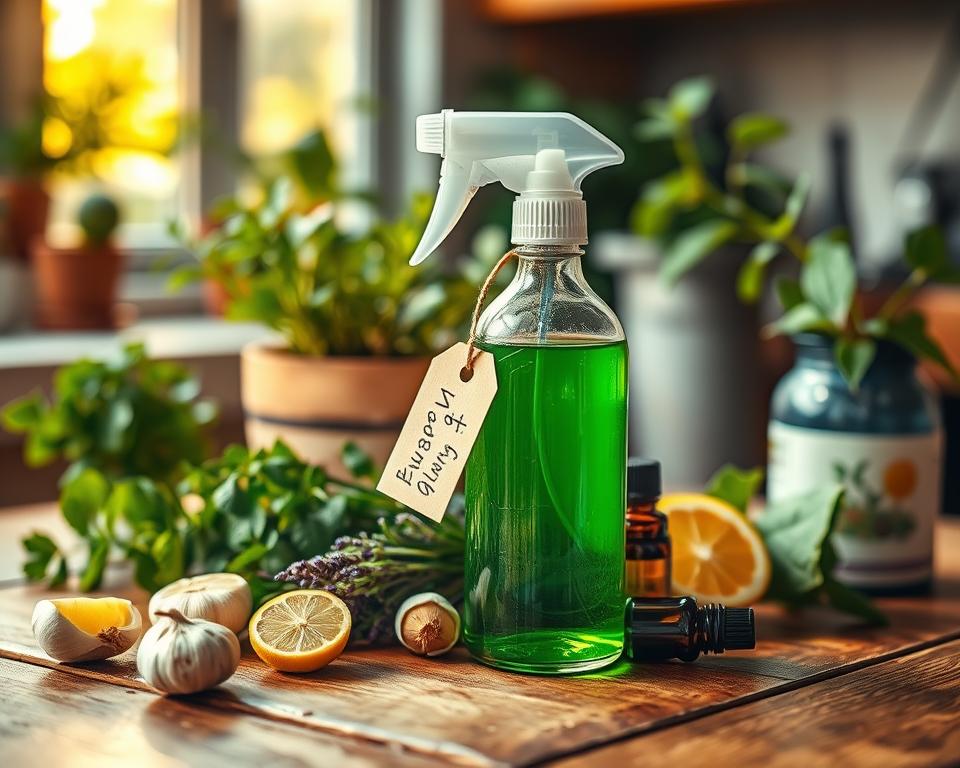
Making your own pest control sprays at home can change the game for indoor gardeners. It’s cheaper and avoids harsh chemicals found in commercial products. We’ll look at two easy recipes for homemade sprays you can use in your garden.
Garlic and Pepper Spray: A Spicy Solution
Garlic and pepper spray keeps many pests away, like aphids, spider mites, and fungus gnats. You’ll need garlic, hot peppers, water, and dish soap for this spray.
- Minced 3 cloves of garlic and 1 hot pepper, then steep them in 1 quart of water overnight.
- Strain the mixture and add 1 tablespoon of dish soap.
- Spray the solution on your plants, making sure to cover all surfaces, including the undersides of leaves.
The capsaicin in peppers and allicin in garlic repel pests. Use this spray every 3-4 days for best results.
Soap Spray: Gentle Yet Effective
Soap spray is a gentle but effective solution for pests. Mix 1 tablespoon of mild dish soap with 1 quart of water. Shake well to dissolve the soap.
The key to using soap spray effectively is to spray it directly on the pests. Inspect your plants well and spray where pests are found. Soap suffocates pests, so cover them fully.
Homemade pest control sprays offer many benefits:
- Cost-effectiveness
- Avoidance of harsh chemicals
- Customization to specific pest problems
With these homemade sprays, you can keep your indoor garden healthy and pest-free. You won’t spend a lot or use toxic chemicals.
Monitoring and Identifying Infestations
Watching your plants closely is the first step to spotting and handling pest problems. By being alert, you can catch issues early. This helps prevent serious harm to your indoor garden.
Regular Plant Checkups
It’s key to regularly check your plants for health. Look for signs like unusual leaf damage, white powdery residue, or actual sightings of insects. Make it a routine to inspect your plants weekly. Focus on the undersides of leaves and the soil.
- Inspect leaves, stems, and soil for signs of pests.
- Look for eggs, larvae, or actual insects.
- Check for unusual growth patterns or discoloration.
Observing Pest Behavior
Knowing how pests behave helps you figure out what kind you have and how to fight it. Each pest has its own habits, like where they like to be or how they eat. For instance, aphids are often found in clusters on the tips of new growth, while spider mites may spin webs on the underside of leaves.
By watching these behaviors, you learn about the pest’s life and weak spots. This lets you aim your control efforts better. This smart approach to pest control keeps your garden healthy and pest-free.
Managing pests in indoor gardens is a continuous task that needs careful attention and flexibility. By combining regular checks with pest behavior observations, you can create a solid plan for safe pest control for plants. This protects your garden and encourages healthy growth.
Companion Planting for Pest Management
Adding certain plants to your garden can help keep pests away. This method, called companion planting, has been around for a long time. It helps create a balanced garden without using harmful chemicals.
Benefits of Companion Planting
Companion planting has many advantages. It improves pest control, helps plants grow better, and makes your garden more diverse. By picking the right plants, you can create a healthy and thriving garden environment.
Marigolds to Deter Pests
Marigolds are famous for their bright colors and strong smell. They keep pests like nematodes, whiteflies, and aphids away. By planting marigolds with your vegetables or flowers, you can protect them from pests.
How Marigolds Work
Marigolds release chemicals that repel or kill pests. This creates a safe zone for nearby plants. It’s a simple and effective way to keep pests away.
Basil and Its Benefits
Basil is great for cooking and also keeps pests like aphids, mites, and flies away. Its scent can make nearby plants healthier and taste better. It’s a valuable addition to any garden.
Maximizing Basil’s Benefits
To make the most of basil, plant it with tomatoes and peppers. Its smell and pest-repelling properties can improve these plants’ growth and taste. This makes gardening more rewarding and enjoyable.
Using marigolds, basil, and other beneficial plants in your garden is a eco-friendly pest control method. It not only protects your plants but also supports a healthier and more sustainable gardening practice.
Integrating Natural Control with Technology
I’ve found that mixing natural pest control with tech is super effective. This combo boosts pest control and makes tracking pests easier.
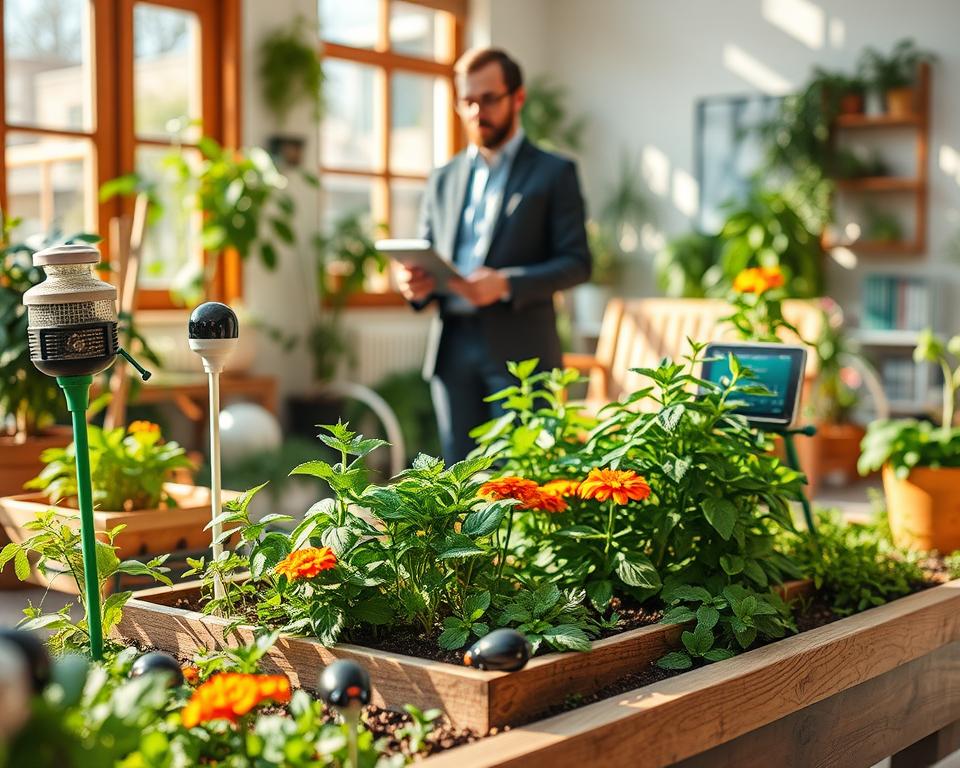
One big tech help in pest control is pest traps. These traps catch pests without harming good bugs. With pest traps, I can spot pests and act fast to keep my garden healthy.
Pest Traps for Monitoring
Pest traps are key for watching pests in indoor gardens. They come as sticky traps and bait traps, each for different pests. Sticky traps catch flying bugs like fungus gnats, while bait traps lure pests with scents.
By setting traps in my garden, I find pest spots and fix them early. This stops infestations before they spread. For more tips on pest control, check out this resource.
Apps for Identifying Pests
There are also apps to help spot pests and suggest natural control. These apps have pest databases, images, and descriptions. Some even give advice based on your garden’s pests and plants.
With these tools, I make smart choices for my garden’s pest control. Mixing old methods with new tech keeps my garden balanced and healthy.
Understanding Plant-Specific Needs
Indoor gardening requires knowing what your plants need to fight pests. Each plant faces different pests, and knowing this helps keep your garden healthy.
Different Plants, Different Pests
Some plants attract certain pests more than others. For example, aphids love rose plants and other flowers. Spider mites prefer plants with thick leaves, like succulents. Knowing which pests your plants might get helps you act fast.
| Plant Type | Common Pests | Control Measures |
|---|---|---|
| Roses and Flowering Plants | Aphids, Whiteflies | Neem Oil, Soap Solution |
| Succulents and Cacti | Spider Mites, Mealybugs | Diatomaceous Earth, Essential Oils |
| Ferns and Leafy Greens | Fungus Gnats, Thrips | Sticky Traps, Garlic Spray |
Tailoring Your Approach
After knowing which pests your plants face, you can plan your pest control. You might use natural solutions and preventatives. For instance, ladybugs can fight aphids. Good air flow stops fungal diseases that pests like.
Understanding your plants and pests leads to better pest control. This keeps your plants healthy and balances your indoor garden.
Case Studies in Successful Natural Control
Many home gardens have seen the power of natural pest control. By using eco-friendly and sustainable methods, gardeners have successfully managed pests. This approach is good for the environment and helps plants thrive.
Success Stories from Home Gardens
Home gardeners have shared their victories with natural pest control. For example, homemade pest control for indoor gardens like neem oil sprays work well. One gardener saw a big drop in aphids after introducing ladybugs.
Another gardener used garlic and pepper to keep pests away. This method didn’t harm good insects. These stories show natural methods can keep gardens healthy.
Expert Insights on Techniques
Experts say knowing your plants’ needs is key. A study on Proterra PC’s blog shows some plants repel pests. This improves your garden’s health.
Here’s a table of effective natural pest control methods:
| Method | Pest Controlled | Effectiveness |
|---|---|---|
| Neem Oil Spray | Aphids, Spider Mites | High |
| Ladybugs | Aphids | Very High |
| Garlic and Pepper Spray | General Pests | Moderate |
Using these natural methods, gardeners can create a balanced ecosystem. This supports healthy plant growth and reduces chemical use.
Conclusion: The Sustainable Future of Pest Control
As we wrap up our look at natural pest control for indoor gardens, it’s clear that eco-friendly methods are good for our plants and the planet. Using organic pest control helps us grow healthier, more sustainable gardens indoors.
Nurturing a Greener Approach
Natural pest control for indoor gardens is about finding balance between pests and beneficial insects. With natural remedies like neem oil and diatomaceous earth, we can control pests without harming the environment.
Practical Tips for a Pest-Free Garden
To keep your indoor garden pest-free, check your plants often. Use pest-deterrent essential oils and try companion planting. These simple steps and a natural approach will help you grow a thriving, sustainable garden.