


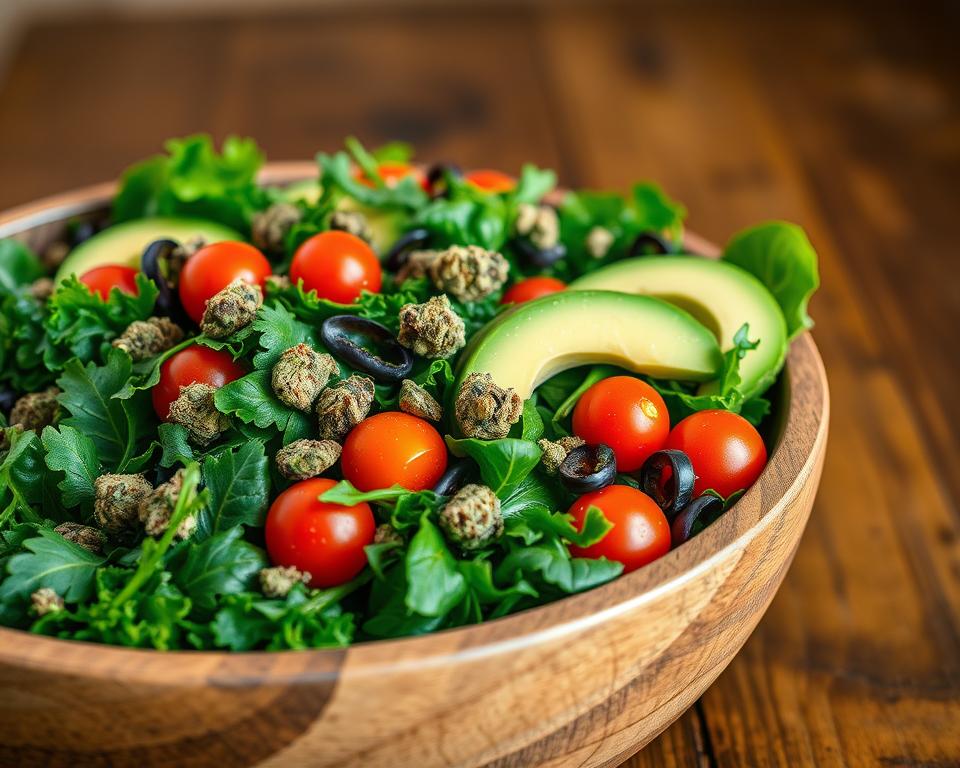
Growing your own pot-friendly leafy greens can change your gardening game. These greens make your salads better and pair well with marijuana dishes. With the right steps, you can harvest a lot right in your backyard or indoors.
It’s important to pick the right containers and know what these greens need. This ensures they grow well. In this guide, I’ll show you how to do it, from picking containers to harvesting your marijuana-infused salad ingredients.
Key Takeaways
- Choose containers that are well-suited for leafy greens.
- Understand the specific needs of pot-friendly greens.
- Learn the best practices for harvesting your crop.
- Enhance your salads with nutritious and delicious greens.
- Complement your marijuana-infused dishes with homegrown ingredients.
What Are Pot-Friendly Leafy Greens?
Looking to grow a great container garden? Knowing about pot-friendly leafy greens is key. These greens are tasty, nutritious, and do well in pots.
Definition and Benefits
Pot-friendly leafy greens are types that grow well in containers. They’re great for a healthy diet. Growing them lets you have fresh produce all the time.
It also lets you control the growing conditions. Plus, you can move the pots to get the best sunlight and temperature.
Adding cannabis-friendly vegetables like these greens makes gardening better. It creates a weed-enhanced garden ecosystem.
Ideal Pot-Friendly Varieties
Spinach, kale, and Swiss chard are top picks for pot-friendly greens. They’re nutritious and easy to grow in pots. Spinach, for example, loves the shade and does well in cool weather.
- Spinach: Ideal for cool seasons and partial shade.
- Kale: A nutrient-dense green that thrives in containers with good drainage.
- Swiss Chard: Offers colorful stems and can tolerate a range of sunlight conditions.
Nutritional Value
Leafy greens are packed with vitamins, minerals, and antioxidants. They’re full of vitamins A, C, and K. They also have fiber and minerals like calcium and iron.
Eating pot-friendly leafy greens is good for your health. They support eye health and boost your immune system. Growing your own weed-enhanced greens means fresh, healthy food at home.
Choosing the Right Containers for My Greens
Starting a garden with CBD-infused leafy greens means picking the right pots first. I look at several things to help my greens grow well.

Pot Sizes and Materials
The size and material of the pot matter a lot. Big pots give roots room to grow, while small ones are better for compact greens. I like terracotta or fabric pots because they breathe and prevent soggy soil.
Choosing a pot’s material also depends on how easy it is to clean and how long it lasts. Plastic pots are light and simple to clean, but terracotta breathes better. It’s all about what I need and like.
Drainage Considerations
Good drainage stops root rot and helps greens grow. I make sure my pots have enough holes for water to drain. Adding small rocks or broken pottery at the bottom helps too.
It’s also key to use a potting mix that drains well. I avoid regular garden soil because it can get too wet. Instead, I use a mix made for containers, which has perlite or vermiculite for better drainage.
Placement and Sunlight
Where I put my pots is very important for sunlight. Most greens need 4-6 hours of direct sun a day. I choose a spot that gets enough sun but not too much.
I also think about temperature and wind. Greens like cooler weather, so I might use shade or a shade cloth during hot times.
Essential Soil Mixes for Leafy Greens
The right soil mix is key for growing pot-friendly leafy greens. It must offer nutrients, air, and water for healthy growth.
Components of a Quality Soil Mix
A good soil mix for leafy greens needs the right balance. It should have organic matter like compost, peat moss, or manure. These help keep moisture, fight diseases, and give micronutrients.
Nutrient-Rich Components:
- Compost
- Peat Moss
- Well-Rotted Manure
- Worm Castings
DIY Soil Recipes
Making your own soil mix can save money and meet your needs. Here’s a basic recipe:
| Ingredient | Proportion |
|---|---|
| Compost | 40% |
| Peat Moss | 20% |
| Perlite or Vermiculite | 20% |
| Topsoil | 20% |
How to Amend Soil
Amending your soil is important for its health. Add compost or manure to improve it. Also, check your soil’s pH and adjust it if needed. Leafy greens like a pH between 6.0 and 7.0.
For THC-infused salad greens or marijuana-infused recipes, nutrient-rich soil is essential. Organic fertilizers can also help your plants grow stronger.
Watering Techniques for Healthy Greens
To keep your pot-friendly leafy greens thriving, mastering the art of watering is key. Watering is vital for growing healthy greens. Getting it right can greatly impact their growth and taste.
Signs of Overwatering
Overwatering can cause root rot and harm your plants. Look out for yellow leaves, soft stems, and a decline in health. If you see these signs, change your watering schedule right away.
Best Practices for Watering
To water your greens well, check the soil moisture by inserting your finger up to the first knuckle. If it’s dry, it’s time to water. Water until you see water coming out of the drainage holes, making sure the soil is moist but not too wet.
Watering Tips:
- Water in the morning so the plants can absorb it all day.
- Avoid getting water on the leaves to prevent fungal diseases; water at the soil level instead.
- Use room-temperature water to avoid shocking the roots.
Timing and Frequency
The watering frequency depends on the pot size, soil type, and climate. Leafy greens in pots need more water than those in the ground because pot soil dries out faster.
By following these watering tips, you can grow healthy and tasty leafy greens. These are perfect for cannabis-infused salad options or weed-enhanced greens. Paying attention to overwatering signs and following best practices will help you enjoy a rich harvest.
Favorite Pot-Friendly Leafy Greens to Grow
Container gardening is a great way to grow many leafy greens. I’m excited to share my top picks. These greens are tasty, nutritious, and easy to grow.
Spinach: The Nutrient Powerhouse
Spinach is a nutrient powerhouse that thrives in containers. It’s full of vitamins A, C, and K, and minerals like iron and calcium. Spinach is also great in marijuana-infused salads, adding nutrients.
“Spinach is a great choice for container gardens because it’s easy to grow and can be harvested in as little as 20 days.”
Kale: A Versatile Leafy Green
Kale is another versatile leafy green for pots. It’s full of antioxidants and has many health benefits. Kale is also good with cannabis, used in salads and smoothies.
| Leafy Green | Nutritional Benefits | Growing Time |
|---|---|---|
| Spinach | Rich in vitamins A, C, and K | 20-30 days |
| Kale | Packed with antioxidants | 50-60 days |
| Swiss Chard | High in vitamins A and K | 30-40 days |
Swiss Chard: Colorful and Tasty
Swiss chard is colorful and tasty, perfect for your container garden. It’s full of vitamins A and K. You can use it in sautés and salads.
These leafy greens are delicious and easy to grow in containers. Adding them to your garden means a bountiful harvest of tasty, cannabis-friendly vegetables.
Supporting Growth: Fertilization Tips
Growing pot-friendly leafy greens needs careful fertilization for the best growth. Fertilizing right can greatly affect your plants’ health and yield.
Organic vs. Chemical Fertilizers
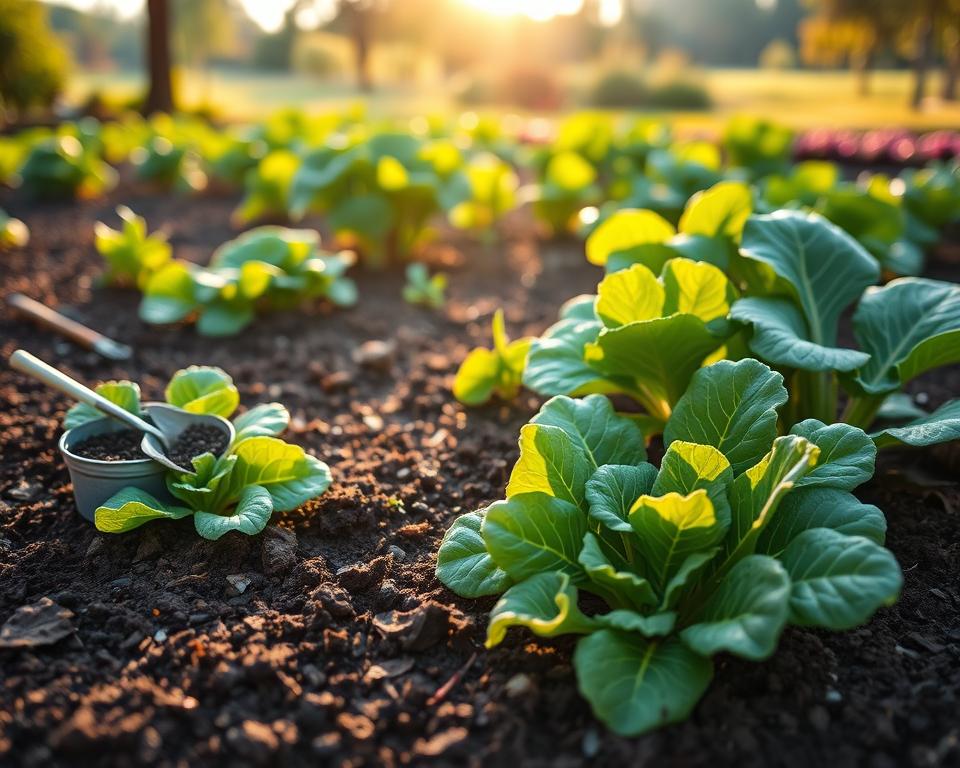
You can choose between organic or chemical fertilizers for your greens. Organic fertilizers like compost or manure give nutrients slowly and help the soil. Chemical fertilizers give quick nutrients but can harm the soil if used too much. Organic fertilizers are better for CBD and THC greens because they are gentle and sustainable.
For more on soil prep, check out https://www.gardeningnoob.com/soil-preparation-for-leafy-greens/. It has tips on making the perfect soil for your greens.
When to Fertilize
Fertilizing at the right time is key. Leafy greens usually need fertilizer when they have a few leaves. You can also fertilize when transplanting them. Always follow the fertilizer package to avoid harming your plants.
Recommended Fertilizer Brands
Top brands for leafy greens include Espoma Organic, Miracle-Gro, and E.B. Stone Organics. They offer various products, from organic to chemical fertilizers. Make sure to pick a fertilizer that fits your greens’ needs.
By using these fertilization tips, you can help your leafy greens grow well. This way, you’ll get a lot of nutritious CBD and THC greens.
Pest Control in My Leafy Green Garden
To keep your leafy greens healthy and pest-free, it’s key to know the common pests and how to fight them. Growing leafy greens is not just about the right conditions. It’s also about keeping them safe from pests.
Common Pests to Watch For
When growing leafy greens, watch out for aphids, slugs, and snails.
- Aphids are tiny, soft-bodied insects that can be found on the undersides of leaves or on stems. They can cause curled or distorted leaves.
- Slugs and snails are slimy pests that chew holes in leaves, leaving behind a trail of silvery slime.
To spot these pests, check your plants often, after rain or watering.
Organic Pest Control Methods
Organic pest control is a good way to manage pests without harming the environment or your salad toppings. Some effective methods include:
- Hand-picking: Regularly inspect your plants and manually remove any pests you find.
- Organic sprays: Use neem oil or insecticidal soap to control aphids and other soft-bodied pests.
- Traps: Set up beer traps or use copper tape to deter slugs and snails.
| Pest | Control Method | Effectiveness |
|---|---|---|
| Aphids | Neem Oil | High |
| Slugs/Snails | Copper Tape | High |
| Aphids | Insecticidal Soap | Medium |
Preventative Maintenance Tips
Preventing pests is often easier than controlling them after they show up. Some tips include:
- Keeping your garden clean: Remove weeds and debris that can harbor pests.
- Using physical barriers: Cover your plants with row covers to prevent pests from reaching them.
- Maintaining healthy plants: Ensure your leafy greens are well-watered and fertilized to promote healthy growth.
By following these tips and being proactive, you can protect your leafy greens. Enjoy a bountiful harvest for your marijuana-infused vegetable recipes.
Understanding Light Requirements for Growth
Light is key for leafy greens in pots to grow well. Some can handle shade, but most need enough sunlight. I’ll cover what light your pot-friendly greens need.
Sunlight vs. Shade Tolerance
Leafy greens vary in how much shade they can take. Spinach and kale do okay in partial shade. But lettuce and arugula need more sun.
Most greens need 4-6 hours of direct sunlight daily. But some can handle more shade, which is good in hot places. Watch how your plants react to light to find the best spot.
Best Placement for Sunlight
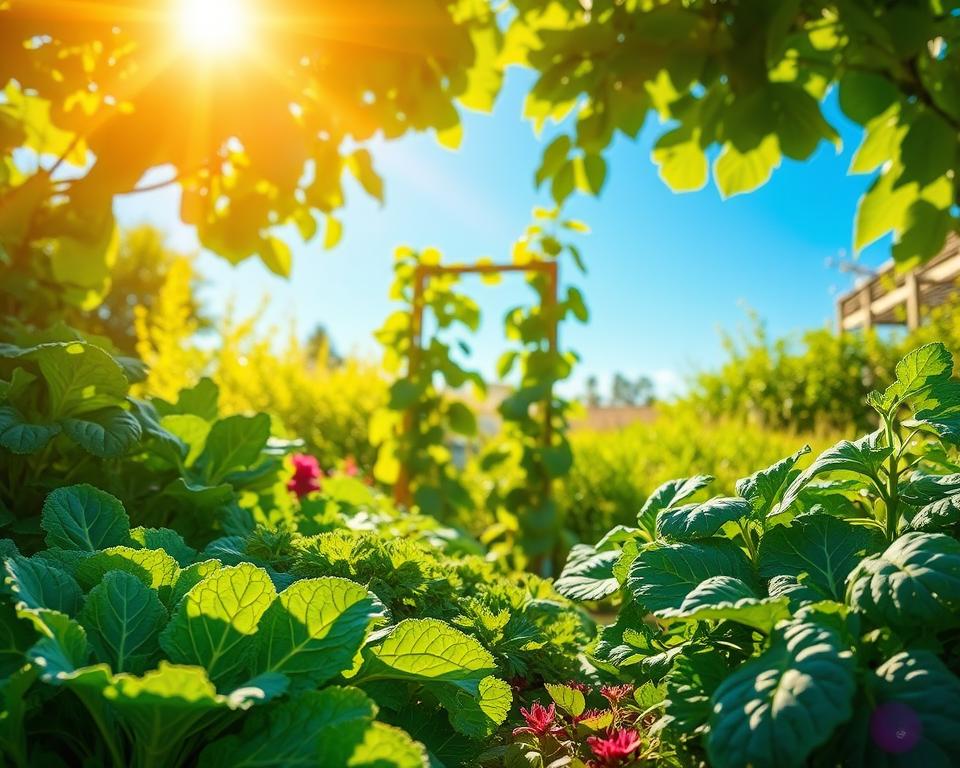
Put your pots where they get the right amount of sunlight. South-facing spots or balconies are best. If indoors, mirrors can help reflect light.
Outdoor pots should not be in the shadow of big plants or buildings. Moving them now and then helps spread sunlight evenly.
Artificial Lighting Options
Artificial light is good when natural light is scarce. LED grow lights are great for indoor gardens because they save energy and help plants grow.
Know what your greens need from artificial light. Some need strong light, others softer. Changing the light’s strength and time can really help your plants.
| Leafy Green Variety | Sunlight Requirement | Artificial Lighting Option |
|---|---|---|
| Spinach | Partial Shade to Full Sun | LED Grow Lights, 12-14 hours |
| Kale | Full Sun to Partial Shade | LED Grow Lights, 14-16 hours |
| Lettuce | Full Sun to Partial Shade | Fluorescent Lights, 12-14 hours |
Meeting your greens’ light needs boosts their growth. This way, you can enjoy a rich harvest. Use it to make tasty salads or add a unique flavor to your greens.
Harvesting My Leafy Greens
The moment of truth arrives when it’s time to harvest my pot-friendly leafy greens. This process needs some finesse. Harvesting at the right time is key for the best flavor and nutrition. They’re perfect for marijuana-infused salad ingredients.
Signs That Greens Are Ready
Before harvesting, I check if my greens are ready. Most varieties are ready when they’re the right size and color. For example, spinach is ready when it’s 2 to 3 inches long and deep green.
Kale and Swiss chard are ready when their leaves are large, usually 6 to 8 inches tall.
Visual inspection is key; I look for vibrant, undamaged leaves. It’s also important to check the plant’s center. Some varieties like lettuce and spinach will bolt if not harvested in time.
Best Practices for Harvesting
When harvesting, I follow a few best practices. I harvest in the morning, after the dew has dried but before it gets hot. This reduces stress on the plants and preserves the leaves’ quality.
I use clean, sharp tools to avoid damaging the plants. For kale and Swiss chard, I use the “cut and come again” method. This encourages the plant to produce more leaves, giving me a continuous harvest.
Storing My Harvest
After harvesting, storing my greens properly is essential. I wash the leaves gently to remove dirt, then dry them thoroughly. This prevents moisture from causing spoilage.
I store my greens in a cool, dry place, often in the refrigerator. For longer storage, I use a sealed container or bag. I remove as much air as possible before sealing to prevent wilting.
By following these steps, I can enjoy my homegrown, cannabis-friendly leafy greens for a longer period. I use them in fresh salads or as marijuana-infused salad ingredients in various recipes.
Troubleshooting Common Growing Issues
Growing pot-friendly leafy greens can be rewarding but comes with challenges. Issues like yellowing leaves, slow growth, and environmental stress can happen. Knowing how to fix these problems is key for a healthy harvest, whether it’s CBD or THC greens.
Diagnosing Yellowing Leaves
Yellowing leaves often mean too much water, not enough nutrients, or too much sun. Check the soil moisture and adjust your watering. For nutrient needs, a balanced fertilizer can help. If problems continue, look for pests or diseases.
For more on common cannabis plant issues, check out Grow Weed Easy.
Addressing Slow Growth
Slow growth can be due to not enough light, poor soil, or lacking nutrients. Make sure your plants get the right light, natural or artificial. Use quality soil and fertilize well to help growth.
For CBD or THC greens, keeping growing conditions optimal is vital. This maximizes their growth.
Managing Environmental Stress
Extreme temperatures, wind, or sudden humidity changes can stress your greens. Protect them from harsh winds and keep the environment stable. Watch how your plants react to their environment and adjust as needed.