


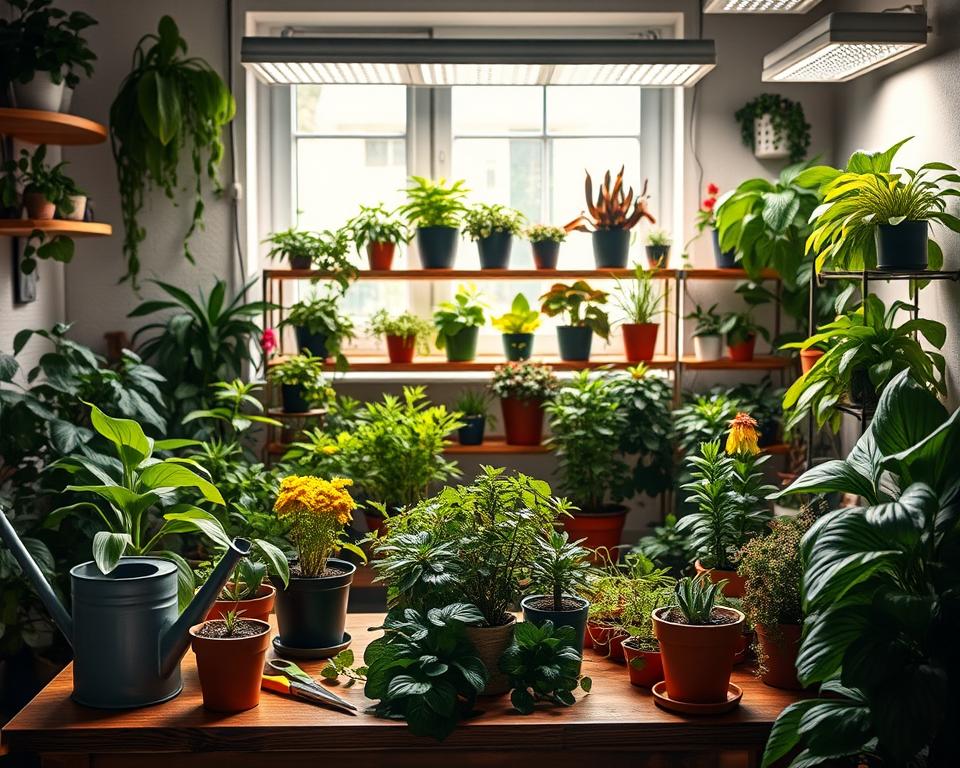
Did you know that indoor gardening can boost productivity by up to 20% and improve air quality?
I was surprised by how much you can grow indoors. I’m excited to share my journey with you. With a well-planned setup, you can harvest fresh produce at home.
Setting up my DIY indoor grow room was simpler than I expected. The right tools and planning make it easy to create a great space for your plants.
Key Takeaways
- Learn how to create a thriving indoor gardening environment
- Discover the essential equipment needed for a successful setup
- Understand the importance of planning and designing your grow room
- Get tips on maintaining optimal conditions for your plants
- Start your indoor gardening journey with confidence
Understanding the Benefits of a Grow Room
Setting up a grow room was a big step for me in indoor gardening. It has given me a controlled space. This has greatly improved my gardening experience.
One key benefit is the ability to create the best conditions for my plants. This leads to Improved Plant Health. I can keep the light, temperature, and humidity just right.
Improved Plant Health
With control over the environment, my plants are less stressed. This means they grow healthier and stronger. I’ve seen a big drop in leaf damage.
| Benefits | Before Grow Room | After Grow Room |
|---|---|---|
| Leaf Damage | High | Low |
| Pest Issues | Frequent | Rare |
| Plant Growth Rate | Slow | Rapid |
Year-Round Growing
Growing plants year-round is another big plus. I can have fresh herbs and veggies all year, even in winter. This is a huge advantage for indoor gardeners.
With the right lighting and climate control, I can mimic perfect growing conditions. This has opened up new possibilities for my garden.
Enhanced Control Over Environment
Having a grow room means I have Enhanced Control Over the Environment. I can adjust light, temperature, and humidity to suit my plants’ needs. This lets me fine-tune the growing conditions.
This level of control lets me try new growing methods. Seeing my plants thrive is incredibly rewarding.
If you want to improve your indoor gardening, consider a grow room. With the right setup and knowledge, you can enjoy better plant health and grow plants all year.
Choosing the Right Location
Finding the perfect spot for my grow room is key to a great growing space. When I started my indoor garden, I learned that the location really matters. It affects how well my plants grow and thrive.
Assessing Space Requirements
First, I figure out how much space I need based on the plants I want to grow. Different plants need different amounts of room. It’s important to make sure my grow room has enough space for all of them.
For example, bigger plants or more plants mean I need a bigger area. This area should also have good air flow and be easy to get to for upkeep.
To find the right space, I think about how big the plants will get. I make sure there’s enough room between them for air to move. Good air flow helps prevent diseases and helps plants grow well.
| Plant Type | Space Requirement | Recommended Area |
|---|---|---|
| Herbs | Small to Medium | 2×2 feet |
| Leafy Greens | Medium | 4×4 feet |
| Flowering Plants | Large | 6×6 feet |
Light Access and Ventilation
Light and air are essential for my plants’ health. Plants need enough light to grow, and without good air flow, the room can get too hot. This stresses out the plants.
A famous horticulturist once said:
“A well-ventilated grow room is the backbone of a healthy indoor garden. It not only regulates temperature but also prevents the buildup of CO2, ensuring your plants thrive.”
To get good air flow, I plan to install a ventilation system. This system will change the air in my room often. It keeps the temperature right and makes sure plants get the CO2 they need.

Proximity to Water and Electricity
Being close to water and electricity is also important. It makes caring for my plants easier and more efficient. For example, with a hydroponic setup, having water nearby is key for watering and feeding nutrients.
When setting up, I make sure my grow room is near a water source and electrical outlets. This makes upkeep simpler and safer, avoiding accidents from wires or hoses.
By thinking about these things, I can make a great indoor garden. It will be productive and fun to take care of.
Essential Tools and Equipment
Starting my DIY indoor grow room taught me the value of the right tools and equipment. A well-equipped grow room is key for plants to grow well.
Grow Lights
Lighting is a top priority in an indoor grow room. Grow lights give plants the light they need for photosynthesis. It’s important to pick lights that match your plants’ needs.
“The right lighting can make all the difference in the health and productivity of your plants,” as noted by indoor gardening experts. I chose LED grow lights for their energy savings and flexibility.
Ventilation Systems
A good ventilation system keeps the grow room healthy. It controls temperature and humidity, stopping stale air and mold. I set up a system with an exhaust fan and carbon filter for clean air.
- Exhaust fan for removing hot air
- Carbon filter for odor control
- Ducting for directing airflow
Pots and Growing Medium
Picking the right pots and growing medium is important. I chose pots with good air flow and drainage. For the medium, I picked a high-quality potting mix that holds moisture but drains well.
Thinking about hydroponic systems or coco coir as growing mediums is also smart. They offer special benefits for plant growth.
Designing the Layout of My Grow Room
Setting up a DIY indoor grow room starts with a good layout. A well-planned layout lets me grow more plants and makes upkeep simple.
To get it right, I focus on a few key points. First, I aim to optimize space utilization. This means using every inch to fit as many plants as I can.
Optimizing Space Utilization
Vertical grow systems or shelves are great for saving space. They let me grow more plants in a smaller area. For instance, I use wall-mounted shelves or trellises to use my room’s height.
Creating an Efficient Workflow
Having an efficient workflow is key. I arrange my grow room so I can easily move around and do tasks like watering. I make sure there’s enough space between plants and that all tools are within reach.
Incorporating Shelving
Shelving is another smart way to use space. Shelves hold pots, grow lights, and other gear, keeping the floor clear. Here’s a look at different shelving options:
| Shelving Type | Space Efficiency | Ease of Installation |
|---|---|---|
| Wall-Mounted | High | Moderate |
| Freestanding | Moderate | Easy |
| Adjustable | High | Moderate |
By thinking about these points and using smart design ideas, I can make a grow room that works well and is easy to care for. This will help me reach my indoor gardening goals and enjoy a big harvest.
Selecting the Best Plants for Indoors
To make your indoor garden grow well, choose the right plants for your space. The plants you pick will greatly affect your gardening success.
Herbs and Vegetables
Herbs and vegetables are great for indoor gardens because they grow easily and are useful. Good herbs to grow indoors include basil, mint, and cilantro. Leafy greens like lettuce and spinach also do well indoors. These plants are easy to care for and give you fresh ingredients for cooking.
Flowering Plants
Flowering plants can make your indoor garden look beautiful and lively. Plants like African Violets, Begonias, and Geraniums are great for indoor gardens. They need the right light and temperature to bloom well.
Understanding Growth Cycles
Knowing how your plants grow is key to a healthy indoor garden. Plants grow at different rates and need different things. By knowing these needs, you can care for your plants better.
| Plant Type | Growth Rate | Lighting Needs | Watering Frequency |
|---|---|---|---|
| Herbs (Basil, Mint) | Fast | High | Daily |
| Leafy Greens (Lettuce, Spinach) | Medium | Medium | Every Other Day |
| Flowering Plants (African Violets, Begonias) | Slow to Medium | Low to Medium | Twice a Week |
Choosing the right plants and knowing their needs can make your indoor garden thrive. Whether you’re growing herbs, vegetables, or flowers, success comes from understanding their growth cycles and adjusting your care.
Setting Up Lighting for Optimal Growth
Setting up my indoor grow room, I learned that lighting is key for plant growth. The right lighting can greatly affect my plants’ health and productivity. It’s very important to get it right.
When setting up lighting, I had to think about several things. These include the type of grow lights, light schedules, and where to place them.
Types of Grow Lights
There are many types of grow lights, each with its own benefits. Some of the most common are:
- LED Grow Lights: These are energy-efficient and last a long time, making them a favorite choice.
- HPS (High Pressure Sodium) Grow Lights: HPS lights are very intense and are often used for flowering plants.
- Fluorescent Grow Lights: These are great for seedlings and young plants.
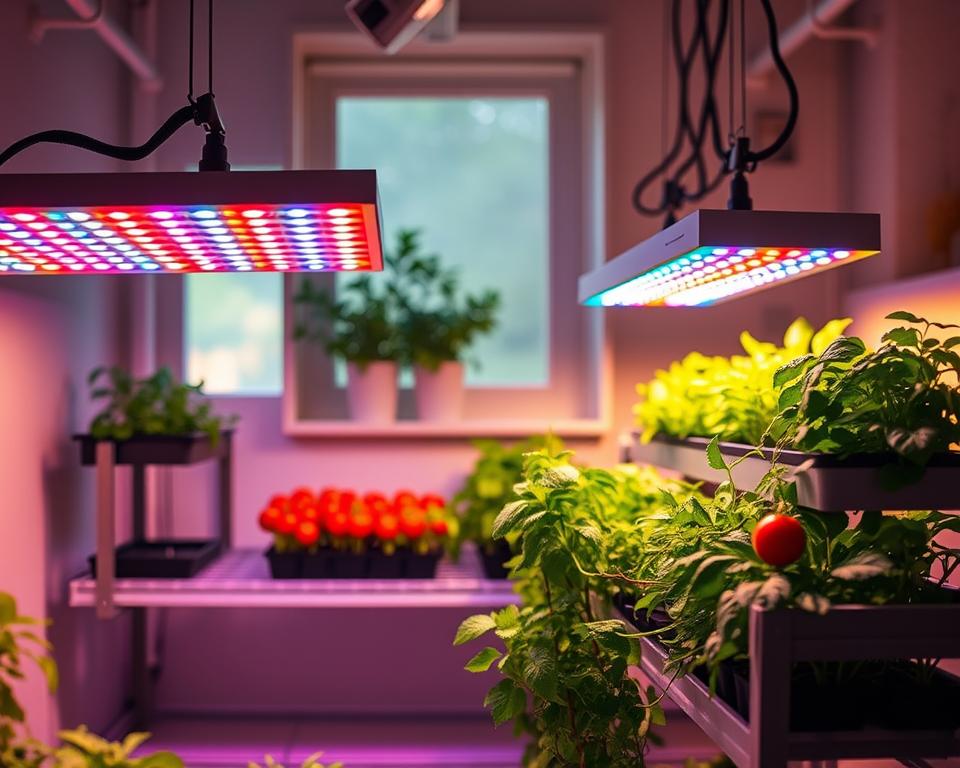
Light Schedules
Creating a proper light schedule is key to mimic natural daylight. Most plants need a certain amount of light and darkness to grow well.
Some plants need lots of light, while others prefer more shade. A general rule is to give 12-14 hours of light and 10-12 hours of darkness to most plants.
Positioning and Height
Getting the right position and height for grow lights is very important. If the lights are too close, they can burn the plants. If they’re too far, they won’t give enough light.
I started with a high position and adjusted it as needed. It’s also important to make sure the lights are spread out evenly to avoid hotspots.
By considering these factors and adjusting my lighting, I’ve created a great growing environment for my plants.
Managing Temperature and Humidity
Keeping the right temperature and humidity is key for a healthy indoor grow room. You need to know what your plants like best. Then, use the right tools to keep the air just right.
Ideal Conditions for Growth
Every plant is different when it comes to temperature and humidity. Most plants do well in daytime temps of 65-75°F (18-24°C). At night, they like it a bit cooler, around 55-65°F (13-18°C). Humidity should be between 40-60%.
Optimal temperature and humidity levels change with each plant type. But, most veggies and herbs like it around 70-75°F (21-24°C) during the day. Flowering plants might need it a bit warmer.
Utilizing Thermometers and Hygrometers
To keep things perfect, you need to watch the temperature and humidity closely. Thermometers and hygrometers are your best friends for this job. Digital ones with remote sensors give you live data for quick adjustments.
I use a digital thermometer and hygrometer in my grow room. They help me decide when to turn on the heat, cool it down, or change the air.
Heating and Cooling Options
You might need to heat or cool your grow room, depending on your climate and plants. Heating options include space heaters or heat mats. Cooling options could be air conditioners or fans. Make sure the equipment fits your room and plants’ needs.
For better temperature control, think about using climate controllers. They can make keeping the right conditions easier.
By managing temperature and humidity well, you can make a great space for your plants. It’s not just about the right tools. Knowing what your plants need is just as important.
Watering and Nutrient Management
Watering and nutrients are key for my indoor plants’ health and growth. Managing these well is essential for the best results.
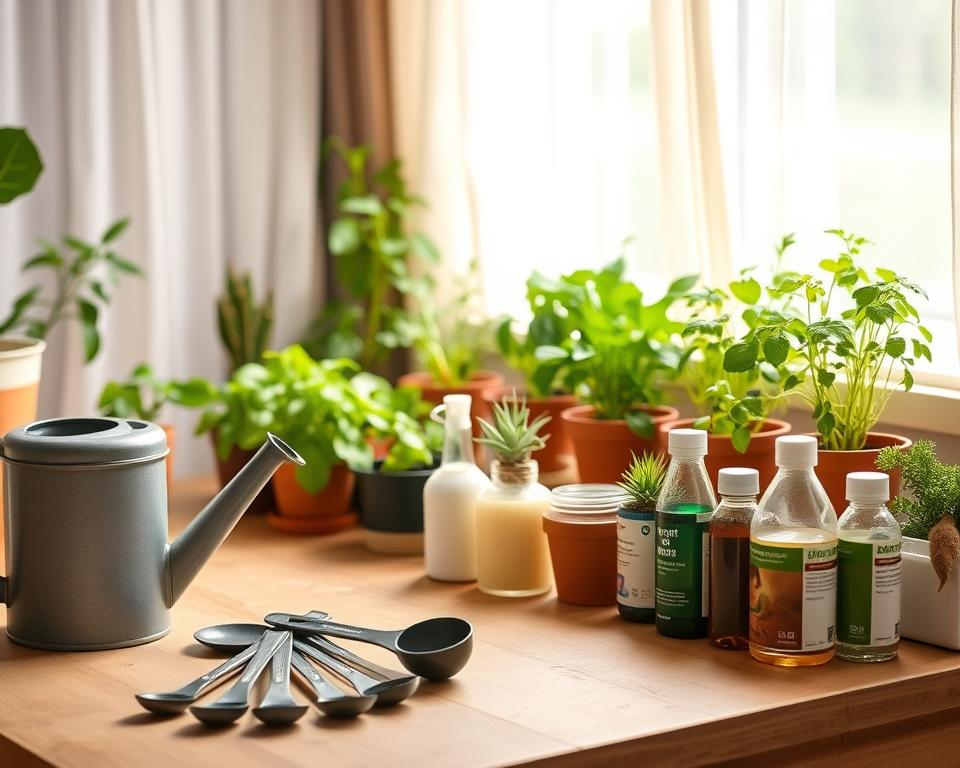
Choosing the Right Watering System
Choosing the right watering system is important for indoor gardening essentials. I can pick between hydroponic and soil-based systems. Hydroponics deliver nutrients directly to the roots. Soil-based systems offer a traditional watering method.
I think about the plant type, growth stage, and my own preferences when choosing. For example, hydroponic systems are great for plants needing precise nutrients.
Understanding Nutrient Needs
Knowing what nutrients my plants need is vital for indoor plant care. Plants need different things at different growth stages. For example, they need more nitrogen when growing and more phosphorus when flowering.
I make sure my plants get a balanced diet. I use a nutrient-rich formula that matches their growth stage.
Keeping a Feeding Schedule
Keeping a feeding schedule is key for my plants’ health. I create a schedule based on their needs and adjust it as needed.
By sticking to a feeding schedule, I help my plants grow well. This leads to better yields in my indoor grow room.
Monitoring Plant Health
Keeping an eye on your plants is key to a successful indoor grow room. Regular checks help spot problems early. This way, you can fix them quickly and keep your plants healthy.
Signs of Healthy Plants
Healthy plants show certain signs that are easy to spot. Look for:
- Vibrant Colors: Leaves and flowers should be bright and full of color.
- Robust Growth: Plants should grow steadily, with new growth happening often.
- Strong Roots: A good root system is vital for getting nutrients and staying healthy.
By watching for these signs, you can make sure your plants are doing well.
Identifying Common Issues
Even with the best care, problems can pop up. Knowing how to spot common issues is important. Some common problems include:
- Pests: Look for pests like spider mites, aphids, and whiteflies.
- Nutrient Deficiencies: Yellow leaves or slow growth can mean a nutrient problem.
- Overwatering: Too much water can cause root rot and other issues.
Spotting these problems early helps you fix them fast and avoid bigger problems.
Documenting Growth
Keeping a growth journal is helpful. It lets you track your plants’ progress. Note things like:
- Growth rates
- Changes in leaf color or texture
- How they react to different nutrients or treatments
By following these tips and staying alert, you can keep your indoor grow room healthy and thriving.
Tips for Long-Term Success in My Grow Room
Keeping a DIY indoor grow room thriving takes hard work and flexibility. By adding a few simple habits to my daily routine, I can keep my indoor garden healthy for years.
Establishing a Maintenance Schedule
Creating a routine is key to keeping my grow room perfect. I check the temperature, humidity, and light often. I also stick to a watering and fertilizing plan. This way, I catch problems early.
Connecting with Fellow Gardeners
Being part of online gardening groups is super helpful. I learn new things and share my own tips. It keeps me updated with the latest grow room ideas.
Staying Innovative
Trying new things is essential for my grow room’s growth. Whether it’s a new light or a different fertilizer, being open to change helps a lot.