


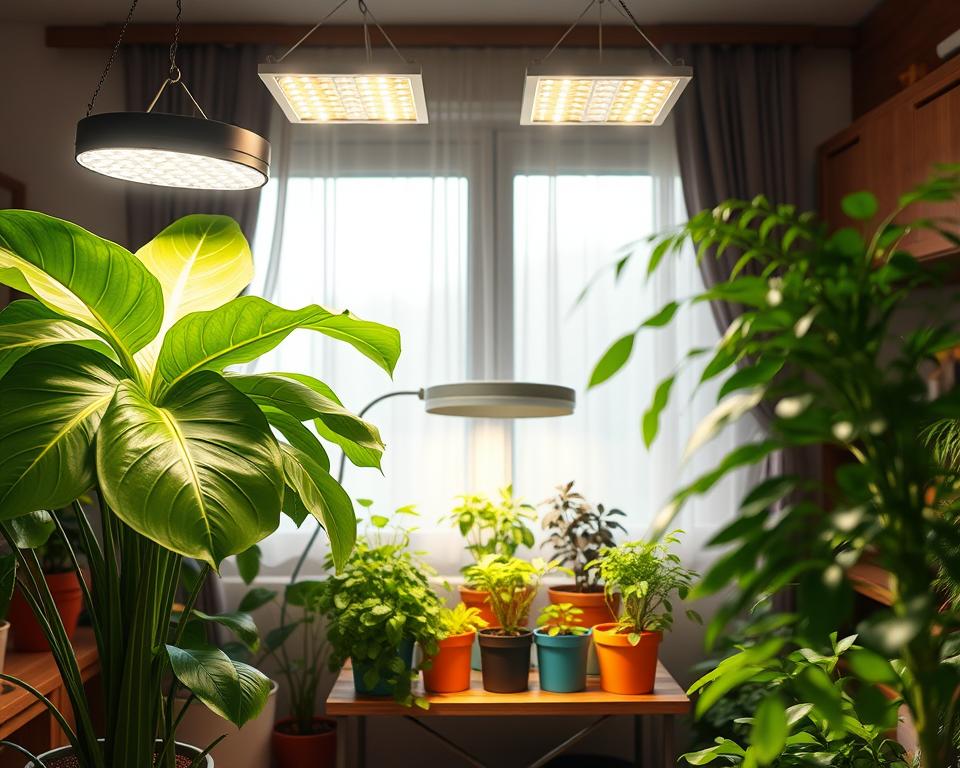
As the days get shorter and darker, many of us worry about our indoor plants during the winter months. It’s hard to give them the right amount of light. Did you know 70% of indoor plants don’t get enough light in winter? This can make them weak and spindly.
I’ve struggled to find the right balance for my plants. In this article, I’ll share how to manage winter light. This way, your plants will stay healthy and vibrant all winter long.
Key Takeaways
- Understand the importance of light for indoor plants during winter
- Learn practical tips on maximizing light for your plants
- Discover how to adjust your plant care routine for the winter season
- Explore ways to supplement natural light for your plants
- Find out how to monitor and adjust your plant’s lighting needs
Understanding Winter Light Basics
Winter brings shorter days, less natural light for plants. It’s vital to manage this light well. Light is key for plant growth, powering photosynthesis to make food.
The Science of Light and Plant Growth
Photosynthesis turns light into food for plants. Light intensity, duration, and spectrum are all important. Some plants need little light, while others need lots.
Knowing your plants’ light needs is essential. For example, Chinese Evergreen and Pothos do well in low light. But Succulents and Cacti need more sunlight.
Measuring Light Levels in Your Home
To give your plants the right light, measure your home’s light levels. Use a light meter to check intensity. Light levels are measured in foot-candles (fc) or lux.
| Light Level | Foot-Candles (fc) | Lux | Plant Suitability |
|---|---|---|---|
| Low | 1-5 fc | 10-50 lux | Low-light plants like Chinese Evergreen |
| Medium | 5-50 fc | 50-500 lux | Most houseplants, including Ferns and Peace Lilies |
| Bright | 50+ fc | 500+ lux | Plants requiring direct sunlight, like Succulents |
Understanding your home’s light levels helps place plants right. This ensures they get the light they need.
Importance of Light for Indoor Plants
Maximizing light for indoor plants is key. It helps them photosynthesize and stay healthy in winter. As days shorten, knowing how light impacts plants is vital.
How Light Affects Photosynthesis
Photosynthesis turns light into energy for plants. Indoor plants need enough light to photosynthesize well. Without it, they may weaken or die. In winter, providing the right light is essential for their growth.
Signs Your Plants Need More Light
Check if your plants are getting enough light. Look for pale leaves, slow growth, or stretched stems. These signs mean they need more light. Move them to brighter spots or use grow lights.
Understanding light’s role in plant health is important. By maximizing light, your plants can thrive in winter. This is key for seasonal plant care and protecting plants in winter.
Choosing the Right Location for Your Plants
Choosing the right spot for indoor plants is key for their health in winter. The light they get is very important. The direction of your windows affects this a lot.
South-Facing Windows vs. Other Directions
South-facing windows are best for plants needing lots of light. They get direct sunlight all day, perfect for succulents and cacti. But, not everyone has these windows.
East- and west-facing windows give plants softer, indirect light. This is good for plants that like partial shade. North-facing windows get the least light but are okay for plants like Chinese Evergreen or Pothos.
Elevating Plant Positions for Better Light
To get more light, try placing plants higher up. Use stands or shelves near windows. This helps a lot in winter when the sun is lower.
Grouping plants together can also help. It creates a humid microenvironment. But, don’t overcrowd to avoid disease.
By picking the right spot and position for your plants, you can help them get enough light in winter. You don’t need south-facing windows to do this.
Utilizing Natural Light Strategies
Winter brings shorter days and lower sun, making it hard for indoor plants to get enough light. But, with a few simple tricks, you can help your plants get the light they need. This keeps them healthy and happy.
Reflective Surfaces to Maximize Light
Reflective surfaces can boost the light your plants get. Mirrors, aluminum foil, or white cards can reflect light onto your plants. This is great for plants in corners or against walls where light is limited.

For example, a mirror opposite a window can reflect light onto your plants. You can also use aluminum foil or white cards to line shelves. These small changes can greatly improve your plants’ health in winter.
Seasonal Adjustments for Optimal Light
Changing your plants’ spots with the seasons is key for the right light. The sun’s path changes, so move your plants to catch more light. South-facing windows get the most sunlight in winter, perfect for your plants.
| Season | Recommended Window Direction | Reason |
|---|---|---|
| Winter | South-facing | Receives the most sunlight |
| Spring/Autumn | East or West-facing | Provides gentle, indirect light |
| Summer | North-facing or shaded areas | Reduces risk of overheating |
By adapting to seasonal light changes, your plants get the right amount of light all year. This helps them grow well and avoids light-related problems.
In summary, using reflective surfaces and adjusting your plants with the seasons can greatly improve their health in winter. These winter gardening tips help create a better environment for your plants to thrive.
Introducing Artificial Light Solutions
When days get shorter, natural light is hard to find. Artificial lighting can change the game for your indoor plants. It gives them the light they need to grow well, even in winter.
Types of Grow Lights: LED, Fluorescent, and More
There are many grow light types, each with its own benefits. Here are a few:
- LED Grow Lights: LEDs are energy-efficient and last a long time. They don’t get hot and can be set to specific light colors.
- Fluorescent Grow Lights: Fluorescents are popular and come in T5 and T8 types. They give a wide range of light.
- HPS (High Pressure Sodium) Grow Lights: HPS lights are very intense. They’re good for plants needing lots of light but get hotter than LEDs.
Choosing the right grow light depends on your plants and space. For small gardens, LEDs are great because they save energy and are small.
Setting Up a Plant Grow Light Schedule
After picking your grow lights, setting a schedule is key. Most plants need 12-14 hours of light a day. Timers help keep the light consistent.
- Find out what light your plants need.
- Follow the maker’s instructions to set up your lights.
- Use a timer to control how long the lights are on.
- Watch how your plants do and change the schedule if needed.
With artificial light and a good schedule, your indoor plants will stay healthy and bright all year. This is true even when natural light is scarce.
Choosing the Right Grow Lights for Your Plants
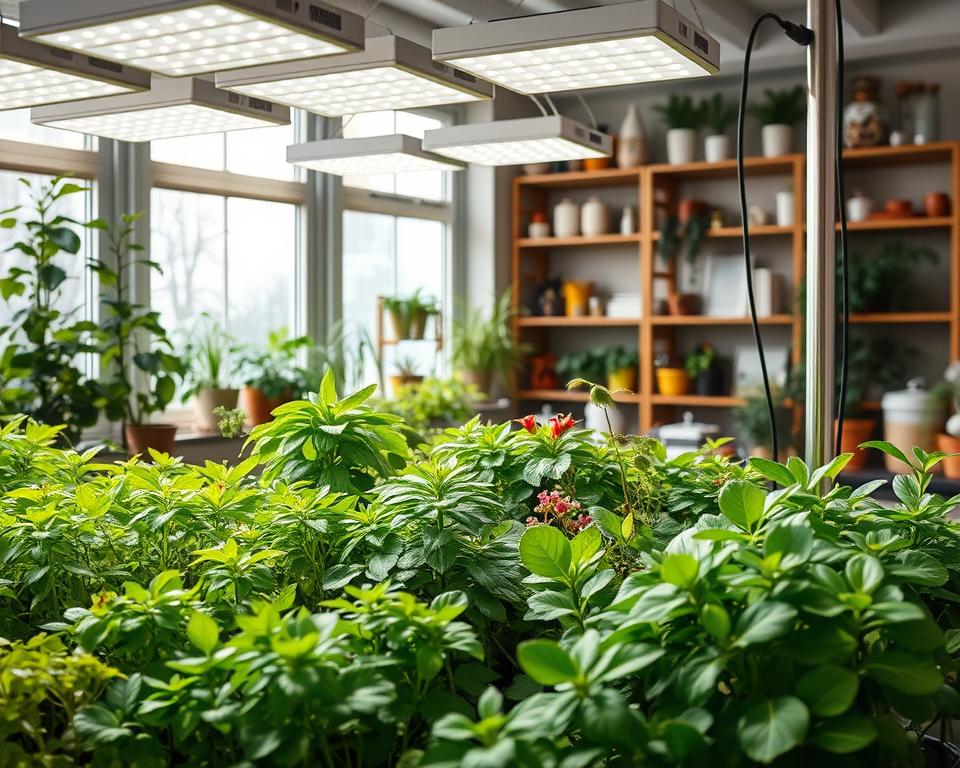
The right grow lights can make a big difference in managing winter light for plants. Indoor plants need specific lighting to grow well, which is harder in winter when it’s darker.
When picking grow lights, think about the light spectrum and wattage. Plants need different light types, and the right wattage keeps them cool and lit.
Matching Light Spectrum to Plant Needs
Each plant needs its own light type. For example, plants that make flowers or fruits need more red light. Leafy plants do better with blue light.
| Plant Type | Recommended Light Spectrum |
|---|---|
| Flowering Plants | Red Spectrum (600-700nm) |
| Leafy Greens | Blue Spectrum (400-500nm) |
| General Growth | Full Spectrum (400-700nm) |
Wattage Considerations for Optimal Growth
Wattage is key when picking grow lights. Too little light can harm plants, while too much can overheat them. Aim for 20-40 watts per square foot of space.
For LED lights, which use less energy, start with a lower wattage. This is different from fluorescent or incandescent lights.
Choosing the right grow lights for spectrum and wattage boosts your winter plant care. This helps your plants stay healthy and grow well even in cold weather.
Seasonal Plant Care Adjustments
Winter is here, and it’s time to change how you care for your plants. They need less water and light because it’s colder. You’ll need to adjust how often you water and fertilize them.
Watering Needs During Winter Months
Most plants drink less water in winter because they grow slower. It’s important to check the soil moisture before watering. This prevents overwatering, which can harm your plants.
Check the soil by sticking your finger in it up to the first knuckle. If it’s dry, it’s time to water.
Tips for watering in winter:
- Reduce the frequency of watering
- Use room-temperature water to avoid shocking the roots
- Avoid getting water on the leaves to prevent fungal diseases
Fertilization Timing with Reduced Light
Fertilizing your plants less in winter is a good idea. This is because they grow slower due to less light and cold. It’s best to reduce or stop fertilizing during these months.
If some plants keep growing, use a balanced fertilizer at half strength. This gives them the nutrients they need without harming them.
Creating a Plant-Friendly Winter Environment
To keep your plants healthy in winter, mimic their natural habitat. This means managing humidity and keeping the right temperature.
Managing Humidity Levels for Indoor Plants
Winter air is drier because of heating. Indoor plants like a humid spot, between 40-60% relative humidity. To get this right, you can:
- Use a humidifier near your plants.
- Place the pot on a tray filled with water and pebbles.
- Group plants together to create a microclimate.
Right humidity is key. Dry air stresses plants, causing leaf drop or pests. For more winter prep tips, check TCPI’s guide on getting plants ready for winter with grow lights.
| Humidity Level | Effects on Plants |
|---|---|
| Below 40% | Dry air, possible leaf drop and pests |
| 40-60% | Best for most indoor plants |
| Above 60% | High risk of fungal diseases and root rot |
Temperature Considerations for Plant Health
Most houseplants like daytime temps of 65-75°F (18-24°C) and cooler nights. Don’t put plants near drafty windows or radiators. Sudden temperature changes can harm them.
“The ideal temperature for houseplants is often a compromise between what’s comfortable for the plants and what’s energy-efficient for the homeowner.”
Some plants, like tropical ones, need warmer temps. Others, like cacti and succulents, prefer cooler. Know your plants’ needs to give them the best winter home.
By controlling humidity and temperature, you can make a better winter home for your indoor plants. This helps them stay healthy until spring.
Winter Plant Maintenance Tips
The winter season demands extra care for your indoor plants. I’m here to share some valuable tips to keep them thriving.
Regular maintenance is key during the winter months. It ensures your plants grow and stay healthy. Two important practices are pruning and cleaning leaves.
Regular Pruning to Encourage Growth
Pruning your plants regularly is essential, even in winter. It encourages new growth and removes dead or damaged leaves. Prune your plants with clean, sharp tools to prevent spreading diseases.
When pruning, focus on removing leggy stems or weak growth. This improves your plants’ appearance and directs their energy to healthier growth. For plants like African Violets and Begonias, pruning can stimulate new leaves and flowers.
Cleaning Leaves for Better Light Absorption
Dust and dirt can reduce leaves’ ability to absorb light. Cleaning your plant’s leaves can improve their health and growth. Use a soft, damp cloth to gently wipe down the leaves, or mist them with water for a more delicate approach.
Regular cleaning enhances light absorption and prevents pest infestations. For plants with hairy or sensitive leaves, a soft-bristled brush can be a gentle alternative.
By incorporating these maintenance tips into your winter plant care routine, you can ensure your indoor plants stay healthy and continue to thrive throughout the colder months.
Preparing for Spring: Light Transition Strategies
Winter is ending, and spring is coming. It’s time to adjust your plants to the brighter light. Gradually changing the light helps your plants adjust without shock. This is key for their growth and health in spring.
Adjusting to Brighter Conditions
Start by moving your plants to brighter spots or closer to windows. This slow change helps them get used to the stronger sunlight of spring.
Outdoor Gardening Plans
Spring is the perfect time to plan your outdoor garden. Check out tips like converting your greenhouse from winter to spring. This way, you’ll be ready to enjoy the new season fully.