


Growing vegetables is rewarding, and self-watering pots have elevated my gardening. I found out that almost 40% of urban gardeners struggle with water management. This can really hurt their crop yield.
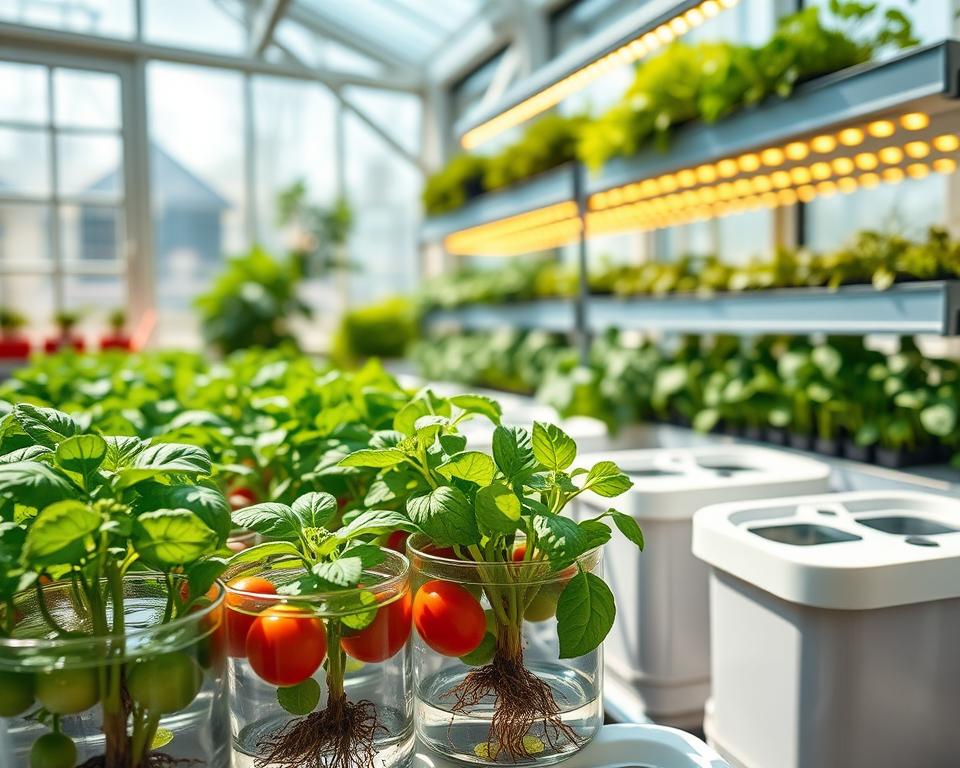
I began using hydroponic gardening containers a few months ago. The results are amazing. These pots keep the moisture just right, so I don’t have to water as often. This also cuts down the chance of too much water.
These pots work great for veggies that need a lot of water. Keeping the right water levels has made my plants healthier and more productive.
Key Takeaways
- Self-watering pots can significantly reduce water management issues.
- Hydroponic gardening containers promote healthy plant growth.
- Consistent moisture levels improve crop yield.
- These pots are ideal for vegetables that require a lot of moisture.
- Using self-watering pots can simplify gardening for urban gardeners.
Introduction to Self-Watering Pots for Vegetables
Starting a vibrant vegetable garden with self-watering pots has been rewarding. I’ve always loved gardening, but old ways of watering were a hassle. They often led to plants getting too much or too little water.
My Gardening Journey
I started gardening a few years back with a small herb garden on my balcony. As I grew more confident, I added vegetables to my garden. But keeping the right moisture was hard. That’s when I learned about self-watering pots.
Why I Chose Self-Watering Pots
I tried self-watering pots because of their automatic watering system for plants. The idea of a water reservoir that feeds plants as needed was great. It promised to cut down on watering and keep plants moist, leading to better growth.
To learn more about self-watering containers, check out this resource from the University of Maryland Extension.
Benefits of Self-Watering Systems
Self-watering pots have many benefits for my vegetable garden irrigation. They cut down on watering, which is a big plus in hot weather or when I’m away. They also keep plants healthy by avoiding too much or too little water.
Using self-watering pots has changed my gardening for the better. Now, I have a more thriving vegetable garden with less work.
Choosing the Right Self-Watering Pots
Choosing the right pot is key for growing veggies in self-watering pots. A good pot can greatly improve your garden’s health and productivity. Just like a self-watering planter box can enhance your gardening experience.
Size Considerations for Vegetables
The size of the pot is very important for your vegetable garden. Larger pots support bigger root systems and hold more water. This means you don’t have to water as often.
For example, tomatoes and peppers need a lot of space. They do best in pots that are 12-18 inches deep. But, lettuce and herbs can grow well in smaller pots, about 6-8 inches deep.
It’s important to choose a pot size that matches your vegetable’s needs. This ensures they grow well and stay healthy.
Material Options: Plastic vs. Ceramic
Self-watering pots are made from plastic and ceramic. Plastic pots are cheaper and lighter, making them easy to move. But, they might not look as good as ceramic pots.
Ceramic pots are more durable and keep moisture better. They are heavier and cost more. Some gardeners use self-watering planters for herbs made from these materials. They find them great for plants that need steady moisture.
Where to Buy Self-Watering Pots
You can find self-watering pots at gardening stores and online. Think about what your garden needs and pick the right pots. Online reviews and product descriptions can help you make a good choice.
You can also visit local nurseries or gardening centers. They often have a wide selection of self-watering pots.
Preparing to Plant in Self-Watering Pots
Before starting with self-watering pots, it’s key to get them ready for your veggies. This step is important for your plants to do well in their new home.
Choosing the Right Soil Mix
Finding the right soil mix is critical for your veggie garden in self-watering pots. I look for a mix that drains well and is full of organic matter. It should hold moisture but let excess water out to avoid root rot.
Key characteristics of a good soil mix include:
- High organic matter content
- Good drainage properties
- A balanced pH suitable for vegetables
Essential Tools and Supplies
You’ll need some basic tools and supplies to start. These include a top-notch potting mix, fertilizers, and maybe a pH test kit. I also suggest having a watering can or cup and gardening gloves to keep your hands clean and safe.

Prepping the Pots for Vegetables
To prep the self-watering pots, fill the reservoir with water and check the watering system. Make sure the wicking system is set up right and the water level indicator is working. This is key for keeping the right moisture for your veggies.
Tips for prepping your pots:
- Clean the pot thoroughly before use.
- Check the watering system’s functionality.
- Fill the reservoir and adjust as necessary.
Selecting Vegetables for Self-Watering Pots
Choosing the right vegetables for self-watering pots is key. Some veggies grow better than others in these pots. This makes a big difference in your garden’s success.
Ideal Vegetables for Container Gardening
Leafy greens like lettuce and kale are great for self-watering pots. Tomatoes, peppers, and cucumbers also do well. These veggies love the special watering system in these pots.
- Leafy Greens: Lettuce, kale, and spinach are excellent choices.
- Tomatoes: Both cherry and larger tomato varieties can do well.
- Peppers: Bell peppers and other sweet pepper varieties thrive.
- Cucumbers: These can be trained to climb or left to spread.
Companion Planting Considerations
Companion planting boosts your garden’s health and productivity. It’s about picking the right veggies together. This way, you can grow better, keep pests away, and even make flavors better.
For instance, marigolds with tomatoes keep nematodes away. Basil makes tomatoes taste better. Radishes near cucumbers keep cucumber beetles off.
- Pair tomatoes with basil or marigolds.
- Grow radishes alongside cucumbers.
- Plant lettuce or other greens near taller plants like peppers or tomatoes to make the most of space.
By picking the right veggies and using companion planting, you can get the most out of your self-watering pots. Enjoy a rich harvest from your garden.
Planting Techniques for Success
To get the most out of my automatic watering system for plants, I’ve learned that proper planting techniques are key. It’s not just about putting the seeds or seedlings in the pot. It’s about doing it in a way that helps them grow the best they can.
Proper Planting Depth and Spacing
When planting in self-watering pots, it’s important to get the depth and spacing right. Planting too deep can cause rot and slow growth. On the other hand, planting too shallow can expose the roots. Also, planting too close together can lead to competition for nutrients and water.
Guidelines for Planting Depth and Spacing:
| Vegetable Type | Planting Depth | Spacing |
|---|---|---|
| Lettuce | 1/4 inch | 4-6 inches |
| Tomatoes | 1/2 inch deeper than soil level | 18-24 inches |
| Carrots | 1/4 inch | 1-2 inches |
Watering Strategies After Planting
After planting, it’s important to have a good watering strategy. With self-watering pots, keep an eye on the water level indicator. This ensures the plants get the right amount of moisture without getting too wet.
Initial Watering: Water the plants well after planting to help the soil settle around the roots.
Ongoing Watering: Regularly check the water level indicator and refill as needed. The goal is to keep the moisture level consistent without letting the pot dry out.
By using these planting and watering tips, I’ve made my self-watering vegetable garden healthy and productive. The secret is to pay attention to what the plants need and adjust as needed.
Maintaining My Self-Watering Vegetable Garden
To keep my self-watering vegetable garden thriving, I focus on a few key maintenance tasks. It’s relatively easy to maintain a self-watering garden. But, it does need regular checks and adjustments to ensure my veggies get the right water and nutrients.
Monitoring Water Levels
Checking the water levels is critical in a self-watering garden. I regularly check the water reservoir to make sure it’s at the right level. This is important because the plants draw water as needed. If the reservoir is too low, the plants might get stressed from lack of water.
I also watch for signs of stagnant water or algae growth. These signs mean the water might need to be changed or there’s a problem with the system.
Fertilization Tips for Container Growth
Fertilizing my veggies in self-watering pots is a bit different from traditional gardening. I use a balanced, water-soluble fertilizer made for container gardens. How often to fertilize depends on the veggies I’m growing and their growth stage.
A key tip is to fertilize at half the recommended strength to avoid harming the roots. I also make sure to flush the system now and then. This prevents salts and minerals from the fertilizer from building up.
Pest Control Strategies
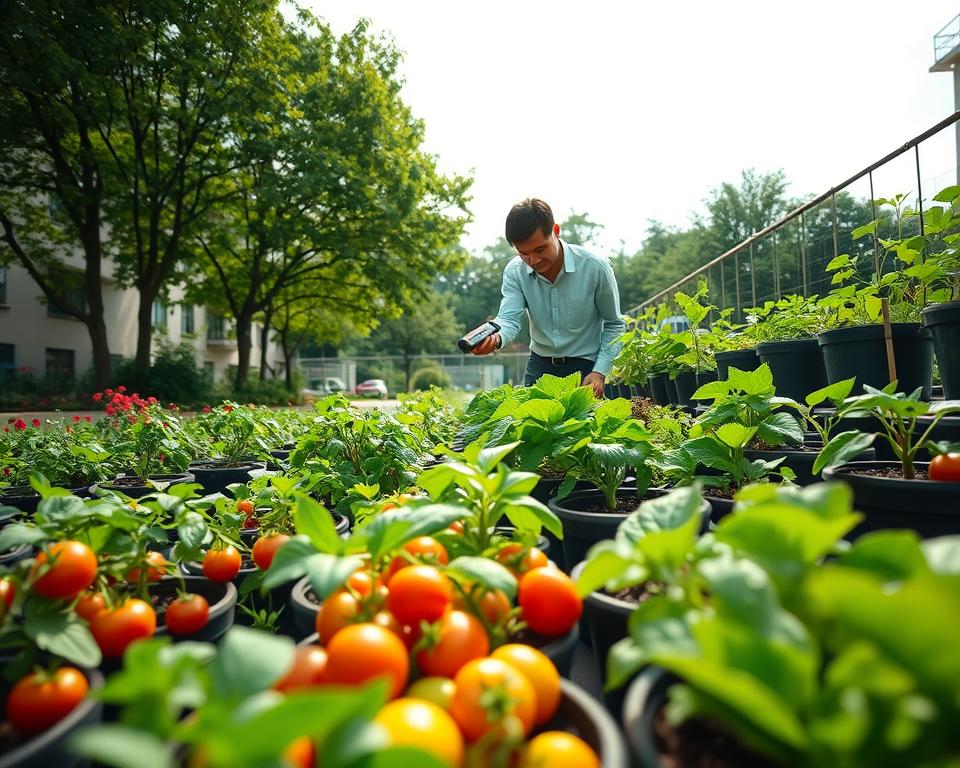
Pest control is essential for a healthy self-watering garden. I regularly check my plants for pests like aphids, whiteflies, or spider mites. If I find any, I use organic pest control methods like neem oil or insecticidal soap. This helps protect beneficial insects.
To prevent pests, I ensure good air circulation around my plants. I also avoid overwatering, which can attract pests. Keeping the area around my pots clean and free of debris helps too.
| Maintenance Task | Frequency | Purpose |
|---|---|---|
| Check Water Levels | Daily | Ensure plants have enough water |
| Fertilize | Weekly/Bi-Weekly | Provide necessary nutrients |
| Inspect for Pests | Regularly | Prevent pest infestations |
Troubleshooting Common Issues
In my journey with self-watering planters for herbs and vegetables, I’ve learned to identify and solve common problems. These systems are meant to make gardening easier. But, problems like overwatering and nutrient deficiencies can happen.
Signs of Overwatering vs. Underwatering
Figuring out if my plants are getting too much or too little water is a big challenge. Overwatering can cause root rot and other issues. On the other hand, underwatering can stress out the plants.
| Condition | Signs of Overwatering | Signs of Underwatering |
|---|---|---|
| Leaves | Yellowing or droopy | Wilted or crispy |
| Soil | Waterlogged, potentially with mold | Dry, cracked |
| Roots | Rot or decay | Underdeveloped |
Dealing with Nutrient Deficiencies
Nutrient deficiencies can also affect plants in self-watering pots. I’ve found that using a balanced fertilizer helps solve these problems.
To tackle nutrient deficiencies, it’s key to watch plant health closely. Here’s what I do:
- Regularly check plants for signs of deficiency, like discoloration or stunted growth.
- Use a balanced, water-soluble fertilizer to give essential nutrients.
- Think about getting a soil test to find out which nutrients are missing.
By knowing these common issues and taking steps to fix them, I keep my self-watering garden healthy and thriving.
Seasonal Care for Self-Watering Pots
As the seasons change, my self-watering pots need different care to keep growing. I adjust my routine with the seasons to keep my garden thriving.
In the cold months, I must winterize my self-watering pots to protect them from frost. I move the pots to a safe place, like a garage or covered patio, to avoid harsh winds and frost.
Winterizing Self-Watering Pots
To winterize my pots, I take a few important steps. I water them less, as plants need less moisture in winter. I also clean the pots to prevent debris and pathogens.
Insulating the pots is key. I use straw or bubble wrap to keep the soil warm and protect the roots from freezing.
Seasonal Vegetables to Grow
Choosing the right vegetables for each season is essential. In spring, I plant cool-season crops like lettuce and spinach. These do well in cooler weather.
In summer, I grow warm-season veggies like tomatoes and cucumbers. These love the warmer weather. In fall, I plant cool-season crops again. In winter, I focus on hardy greens like kale and broccoli, which can handle frost.
By knowing what my plants need seasonally, I can enjoy a wide variety of harvests all year from my self-watering pots.
Harvesting from My Self-Watering Garden
There’s nothing quite like the joy of picking fresh produce from my self-watering garden. From planting to harvesting, it’s a rewarding journey. Self-watering pots make it even more efficient.
When to Know It’s Time to Harvest
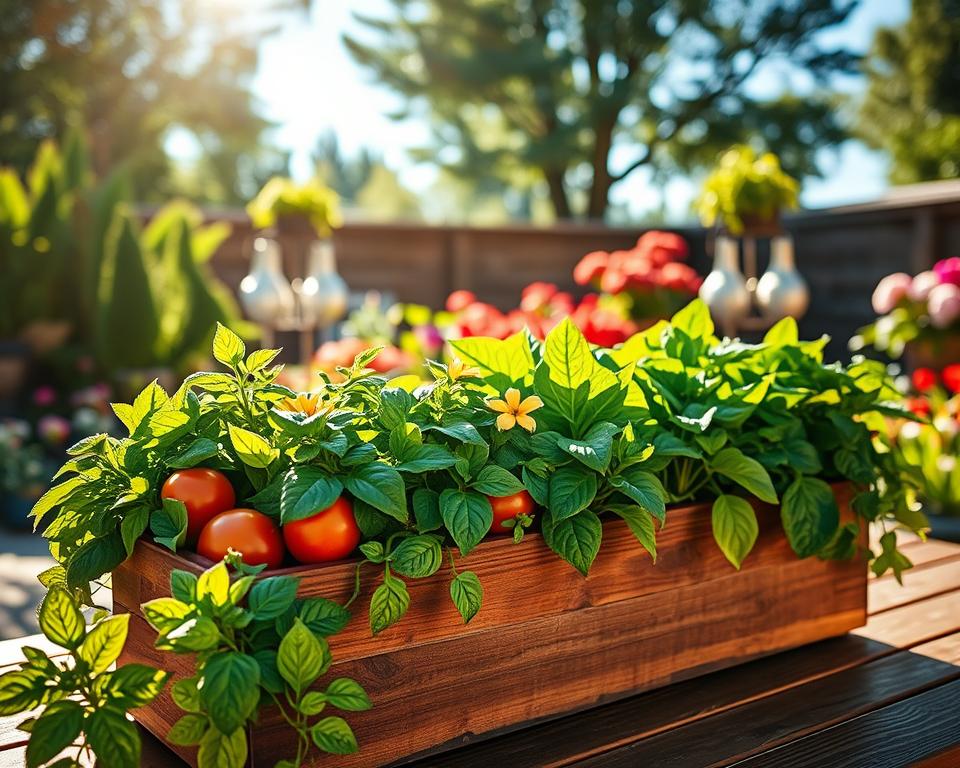
Knowing when to harvest is key. For most veggies, it’s easy to tell. Leafy greens like lettuce and spinach are ready when they’re fully colored and the right size. Tomatoes and peppers turn from green to their final color, like red, yellow, or orange.
To pick at the best time, I check my plants often. I look at their size, color, and texture. For example, cucumbers are ready when they’re dark green and 6-8 inches long.
| Vegetable | Signs of Readiness |
|---|---|
| Lettuce/Spinach | Full color, desirable size |
| Tomatoes/Peppers | Color change (red, yellow, orange) |
| Cucumbers | Dark green, 6-8 inches long |
Tips for Enjoying My Vegetables
Enjoying my veggies fresh is the best. I add them to simple salads, sautés, or eat them raw. They taste and are more nutritious when eaten soon after picking.
Leafy greens just need a quick rinse and dry for salads. Tomatoes and peppers are great raw or cooked. Cucumbers are refreshing in salads or as a snack.
Self-watering planter boxes have made gardening easier. They’ve also inspired me to try new recipes and enjoy my harvest fully.
Creative Uses for Self-Watering Pots
Self-watering pots open up a world of creative gardening. They make watering easier and add new design possibilities to your garden.
Decorating My Garden with Color
I love using self-watering pots to add color to my garden. I pick pots in different colors and match them with plants that look good together. This makes my garden look amazing.
For example, red pots look great with green lettuce or kale. White pots paired with colorful flowers like petunias or geraniums add elegance.
Color Scheme Ideas:
- Monochromatic: Using pots of the same color for a uniform look.
- Complementary: Pairing pots with colors that are opposite each other on the color wheel.
- Analogous: Using pots with colors that are next to each other on the color wheel.
| Color Scheme | Pots Color | Plants |
|---|---|---|
| Monochromatic | White | Petunias |
| Complementary | Red | Kale |
| Analogous | Blue, Green | Succulents |
Vertical Gardening with Self-Watering Systems
Self-watering pots are great for vertical gardening. By stacking them or attaching them to a wall, you can create a lush garden that needs little care.
Vertical gardening is perfect for vining plants like tomatoes or cucumbers. It saves space and makes picking your harvest easier.
To start a vertical garden, pick a sunny wall or spot. Then, stack the pots in tiers, making sure each one gets enough light and water.
Tips for Successful Vertical Gardening:
- Choose plants that grow well vertically.
- Make sure there’s good drainage and watering.
- Provide support for plants when needed.
Sharing My Self-Watering Gardening Experience
I’ve learned a lot about growing veggies in self-watering containers. I’m excited to share what I’ve found. My journey with self-watering planters for herbs and veggies has been great. I hope to inspire others to try this new way of gardening.
Advice for New Gardeners
If you’re new to gardening, start with simple veggies like tomatoes or cucumbers in self-watering pots. These plants do well in watering systems for potted plants. Just remember to check the water levels often and adjust as needed.
Inviting Friends to Try Self-Watering Pots
I enjoy sharing my love for self-watering gardening with my friends and family. By showing them the benefits of self-watering planters, many have started their own gardens. It’s great to see others succeed. I encourage you to invite your friends to try self-watering pots too!
Conclusion: My Self-Watering Gardening Adventure
My adventure with self-watering pots for vegetables has been very rewarding. I’ve found joy in growing my own food easily. This is thanks to hydroponic gardening containers that make it simple.
Growing with Confidence
Self-watering pots have boosted my confidence in gardening. I’ve tried different vegetables and techniques. I’ve learned to check water levels and fertilize for the best growth.
Sharing the Experience
I want you to try self-watering gardening with hydroponic containers. It’s a simple, efficient way to grow your favorite veggies. It’s great for all gardeners. Start your self-watering gardening today and enjoy fresh, homegrown produce.