


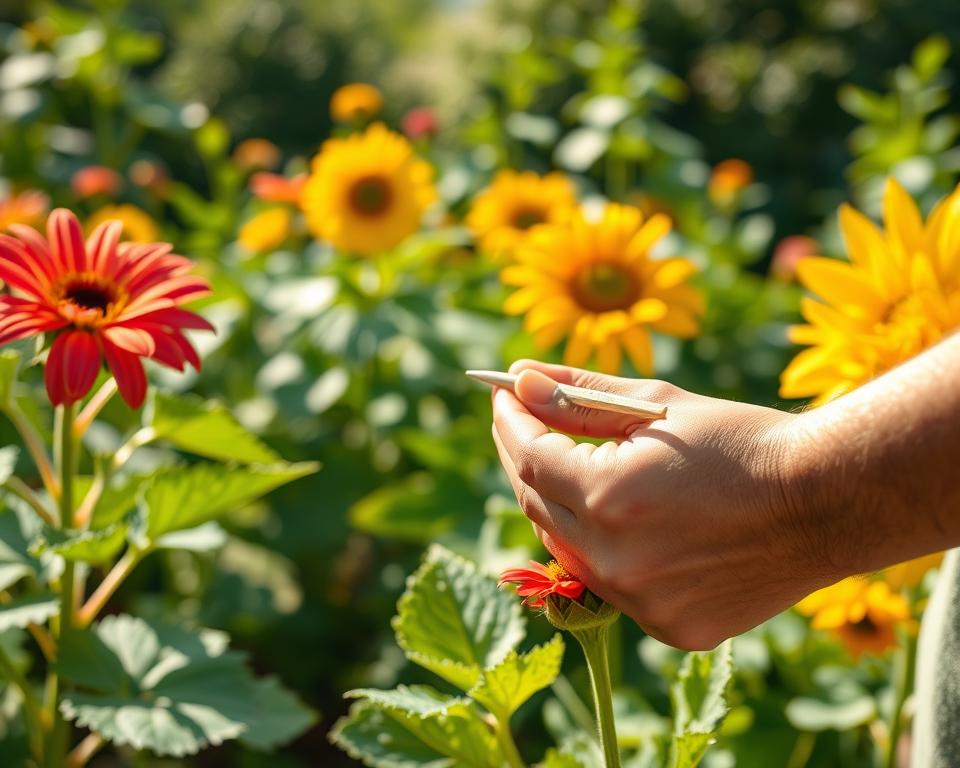
Did you know that hand pollination can greatly improve your harvest? As a gardener, I’ve seen how it changes the game. By controlling pollination, you can make sure your plants give you the fruit you want.
For example, tomatoes and cucumbers do well with hand pollination. Tomatoes pollinate themselves, but a little shake can help spread pollen. Cucumbers need pollen moved from male to female flowers. You can find out more about hand pollination and how it boosts your garden.
Key Takeaways
- Hand pollination can significantly increase fruit set in vegetables like tomatoes and cucumbers.
- Gentle shaking can help release pollen in self-pollinating plants like tomatoes.
- Cucumbers require transferring pollen from male to female blossoms.
- Hand pollination can be a solution for declining bee populations and environmental factors that inhibit fruit set.
- Using the right hand pollination method can lead to a more abundant harvest.
Understanding Manual Pollination Techniques
As a gardener, learning manual pollination can change your harvest game. This method lets you control pollination, ensuring your plants get the pollination they need.
This technique is great for plants that bees or wind can’t pollinate. By moving pollen from the male part of a plant to the female, you boost crop yields and quality.
What is Manual Pollination?
Manual pollination means moving pollen from the male flower’s anther to the female flower’s stigma. You can use tools like small brushes, cotton swabs, or even your finger.
The aim is to copy nature’s pollination, helping plants make fruit and seeds.
Benefits of Manual Pollination
Manual pollination has many perks. It lets you control pollination, leading to better crops, higher fruit quality, and even new plant varieties through plant breeding methods.
- Increased crop yields due to improved pollination efficiency
- Enhanced fruit quality through controlled pollination
- The ability to breed new plant varieties using manual pollination techniques
Common Pollination Methods
There are several ways to manually pollinate, like using a small brush or cotton swab. Cross-pollination involves moving pollen between plants, which boosts genetic diversity.
By mastering these techniques, you can elevate your gardening and enjoy a more fruitful harvest.
Tools Needed for Manual Pollination
To master manual pollination, you need the right tools. This technique requires precision and the right equipment for success.
Essential Hand Tools
The key to manual pollination is the tools you use. Essential hand tools include a small, soft-bristled brush or a cotton swab. These tools help gently move pollen from one flower to another. A high-quality brush can greatly improve the pollination process.
- A small, soft-bristled brush for delicate pollen transfer
- Cotton swabs for a more controlled pollination process
- Tweezers for handling small or delicate flowers
Recommended Materials
Along with hand tools, the right materials can help too. A clean, dry container for pollen and a label maker are recommended. These tools keep your workspace clean and help track your progress.
| Material | Purpose |
|---|---|
| Clean, dry container | Storing pollen |
| Label maker | Tracking pollinated plants |
Safety Gear for Pollinators
Manual pollination is mostly safe, but safety gear is important. Gloves protect against skin irritation, and protective eyewear guards against airborne particles.
With the right tools and materials, you can master manual pollination. This makes the process more efficient and leads to a better harvest.
When to Pollinate Your Plants
To get the most out of manual pollination, knowing when to do it is key. The right time can make a big difference in your crop’s success.
The best time to pollinate changes with each plant and its growth stage. For many, early morning is the best, as flowers are most ready then. Knowing what your plants need is essential for successful self-pollination.
Ideal Timing for Pollination
Each plant has its own best time for pollination. Some might need it in the late morning or early afternoon. It’s important to find out what your plants need for successful pollination.
Weather also affects when to pollinate. Pollinating in windy or rainy weather won’t work well. So, check the weather forecast and plan your pollination for the best time.

Factors Affecting Pollination Timing
Several things can change when the best time to pollinate is. These include temperature, humidity, and natural pollinators. Understanding these is key to good crop pollination strategies.
For example, some plants need a certain humidity to pollinate well. Also, natural pollinators like bees can affect when and how well pollination happens. By thinking about these, you can make your manual pollination better.
Knowing the best time for pollination and what affects it can help you. This way, you can make your manual pollination more effective and get a bigger harvest.
The Process of Hand Pollination
Hand pollination is a simple yet detailed process. It’s important to know the steps and how different flowers need different methods.
Steps for Effective Pollination
To pollinate well, first remove the petals from a male flower. This exposes the anther. Next, use a small brush or cotton swab to get pollen from the anther and put it on the stigma of a female flower. Be gentle to avoid harming the flowers’ reproductive parts.
The success of hand pollination depends on precise pollen transfer. It’s important to collect pollen from the anther and put it on the stigma without any contamination. Using the right tools, like a fine brush or cotton swab, makes this process more efficient.
“The art of pollination is not just about transferring pollen; it’s about understanding the biology of the plants you’re working with.” – Master Gardener
Pollinating Different Types of Flowers
Each flower type needs a unique pollination method. For example, big flowers like squash or pumpkins need a different approach than small ones like tomatoes or strawberries.
| Flower Type | Pollination Technique | Tools Needed |
|---|---|---|
| Squash/Pumpkins | Gently brush pollen from male to female flowers | Small, soft-bristled brush |
| Tomatoes/Strawberries | Vibrate or gently tap flowers to release pollen | Electric pollinator or a small vibrating tool |
Knowing what your plants need is key to successful hand pollination. By tailoring your techniques to the flowers you’re working with, you can greatly improve your pollination success.
Techniques for Pollinating Fruit Plants
To get a good harvest, it’s key to know how to pollinate fruit plants. Plants like tomatoes, apples, and berries need special ways to pollinate. This is to make sure they grow well.
Manual Techniques for Tomatoes
Tomatoes often need a little help to pollinate. You can shake the plant gently or use a small electric tool. This helps release pollen and boosts fruit growth. It’s very helpful in greenhouses or where bees are few.
Hand Pollination in Apples
Apple trees need help from other trees to make fruit. You can use a brush or cotton swab to move pollen. This makes sure the trees get enough pollen for a big harvest.
Techniques for Berries
Berries like strawberries and blueberries also need a hand. Shaking the plants or using a pollinator can help. This is great when bees are not around.
Using effective pollination methods can really help your fruit plants grow better. Whether it’s tomatoes, apples, or berries, knowing how to pollinate is important. It leads to a successful harvest.
Cross-pollination is very important for many fruit plants. It helps them make fruit. By helping this process, gardeners can make sure their plants have lots of fruit.
Pollination with Electric Tools
Exploring manual pollination, I find electric tools make it easier. Electric pollinators are great for bigger plants or many plants at once. They help gardeners save time and effort.
Overview of Electric Pollinators
Electric pollinators work like nature, but better. They’re perfect for hard-to-pollinate plants or big gardens. You can adjust them for different plants, making them handy in any garden.
Key Features of Electric Pollinators:
- Adjustable settings for different plant types
- Increased efficiency in pollination
- Reduced labor for gardeners
Benefits of Using Electric Tools
Electric pollinators bring many advantages. They pollinate better and faster, saving gardeners’ time and energy. This is a big plus for big gardens or commercial growers.
Some of the key benefits include:
- Improved pollination accuracy
- Enhanced efficiency in pollinating multiple plants
- Reduced fatigue for gardeners
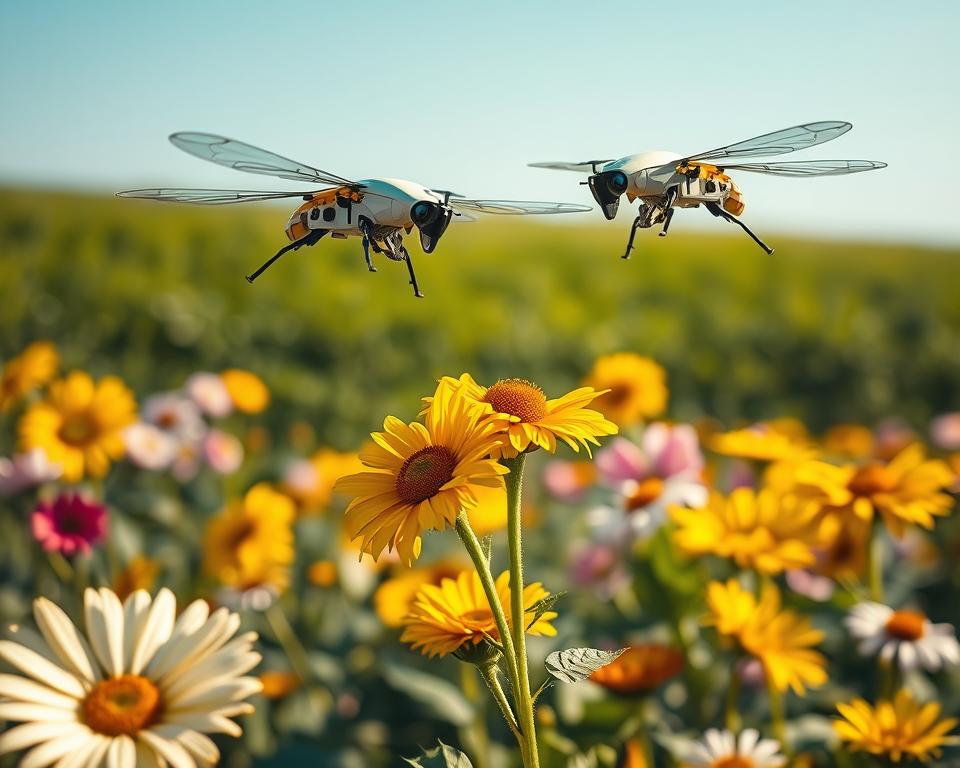
In conclusion, electric pollinators are a great help for gardeners. They make plant breeding easier. Knowing their benefits helps gardeners choose the right tools for their needs.
Germination Rates Post-Pollination
Knowing about germination rates is key to seeing how well your pollination worked. Germination rates show how many seeds grow into healthy plants. This is important for checking if your crop pollination strategies are working.
Understanding Germination Rates
Many things can affect germination rates. These include the soil, how wet or dry it is, the temperature, and if it’s light enough. To help seeds grow, make sure they have the right conditions. For example, keeping the soil just right with moisture is very important.
Influencing Factors for Germination
There are several things that can change germination rates. Knowing about these can help you improve your self-pollination methods. Here are some important factors to think about:
| Factor | Impact on Germination | Optimal Condition |
|---|---|---|
| Soil Quality | Affects nutrient availability | Well-draining, nutrient-rich soil |
| Moisture Levels | Influences seed hydration | Consistent moisture, not waterlogged |
| Temperature | Impacts metabolic rate | Between 65°F to 75°F (18°C to 24°C) |
| Light Exposure | Affects photosynthesis | Adequate light, avoiding extreme direct sunlight |
By managing these factors, you can boost your plants’ germination rates. This leads to a better harvest. Keeping an eye on and tweaking these conditions is a big part of good crop pollination strategies.
Best Practices for Successful Manual Pollination
Understanding and following best practices is key to successful manual pollination. These guidelines help gardeners boost crop yields and quality.
Tips for Efficiency
To pollinate well, use the right tools and techniques. Using a small, clean brush to move pollen is a common method. Pollinating in the morning, when flowers are most open, also helps.
Gentle handling of plants is essential to prevent damage. As an expert says, “The art of manual pollination is not just about moving pollen. It’s about doing it carefully to protect the plants’ delicate parts.”
Avoiding Common Mistakes
Common mistakes include pollinating too early or late, using the wrong pollinator, and poor pollen storage. Knowing what each plant needs helps avoid these mistakes.
A seasoned gardener’s quote emphasizes patience and observation: “Successful manual pollination needs a deep understanding of your plants. It also requires a willingness to learn from your experiences.”
- Use the right tools for pollination.
- Pollinate at the optimal time.
- Handle plants gently.
- Understand the specific needs of your plants.
Monitoring Plant Health Post-Pollination
After pollinating your plants, it’s important to watch their health for a good harvest. Good pollination helps plants grow well and produce more. This is key for a successful crop.
Signs of Successful Pollination
When plants are pollinated well, you’ll see fruit or seeds growing, healthy leaves, and strong plants. Regular inspection helps spot these signs and fix problems fast.
Look for these signs of good pollination:
- Fruit or seed development
- Healthy, vibrant foliage
- Vigorous growth and robust plant structure
Managing Pests and Diseases
Keeping pests and diseases away is vital after pollination. Pests and diseases can harm plant health, lower yields, and reduce crop quality. Good pollination strategies also mean protecting plants from these threats.
| Pest/Disease | Symptoms | Management Strategy |
|---|---|---|
| Aphids | Curled or distorted leaves, presence of aphids | Use neem oil or insecticidal soap |
| Powdery Mildew | White, powdery coating on leaves | Apply fungicides, improve air circulation |
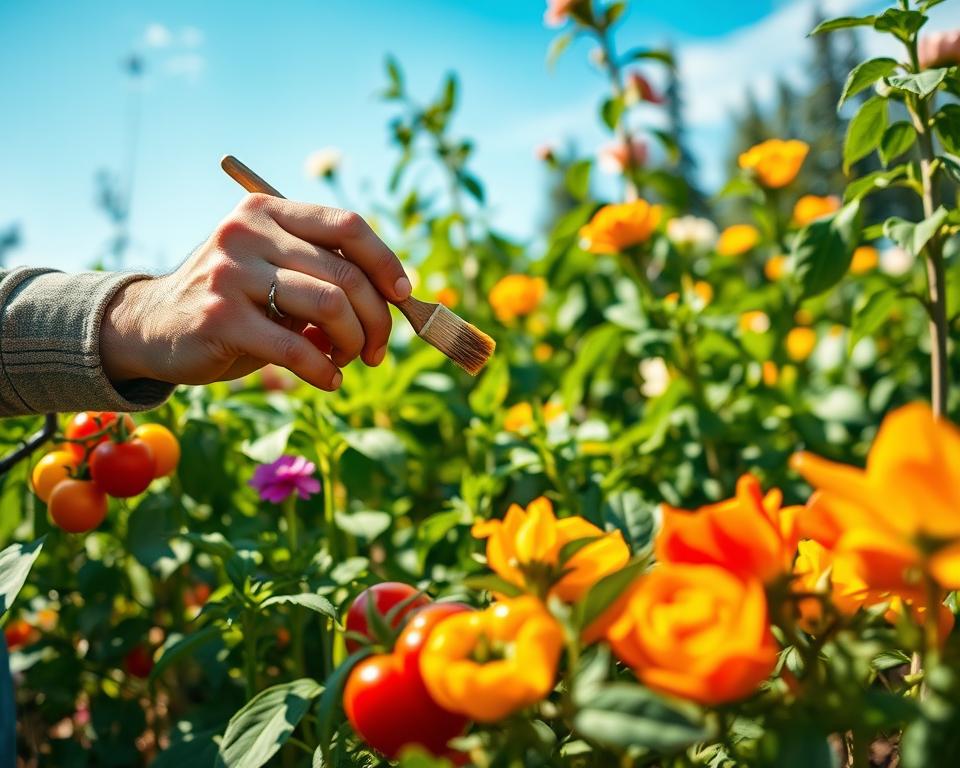
By watching your plants closely and acting fast to stop pests and diseases, you can make sure your pollination works. This way, you’ll get a healthy and productive harvest.
Seasonal Considerations in Manual Pollination
Knowing when to pollinate is key for a good harvest. As a gardener, changing your methods with the seasons can really help. This can make your pollination efforts more successful.
Spring vs. Summer Pollination Techniques
In spring, focus on early crops like strawberries and apples. These need cross-pollination to set fruit. Use a small, clean brush to move pollen from one flower to another. This imitates how bees pollinate.
Summer is for warm crops like tomatoes and squash. These plants do well with vibration or shaking to spread pollen. For tomatoes, a little vibration or an electric pollinator can help.
Adjusting Techniques for Fall Crops
When fall comes, change your pollination ways for cool crops like broccoli and kale. These need gentle care because of their small flowers. Make sure your tools are clean and dry to avoid disease.
For fall crops, think about the plant breeding methods that work best. Some plants need focused pollination, while others need more pollen spread.
Encouraging Pollinator Friendliness in Your Garden
Creating a garden that welcomes pollinators is more than just helping plants grow. It’s about making a space that draws in bees, butterflies, and other important visitors. As I care for my garden, I’ve learned how key it is to support these creatures.
Attracting Natural Pollinators
To draw in pollinators, I plant a variety of flowers that offer nectar and pollen. I choose native flowers that fit my local weather and soil.
Plants like sunflowers, zinnias, and lavender are great for attracting bees and butterflies. By adding these to my garden, I make a welcoming spot for pollinators. Mixing annuals and perennials ensures there’s always food available for them.
Creating a Pollinator-friendly Environment
I also make sure my garden has a water source for pollinators. A simple shallow dish with fresh water and rocks for landing is enough.
To help pollinators, I steer clear of pesticides. Instead, I use integrated pest management methods that are kinder to nature. This approach not only protects pollinators but also helps the whole ecosystem. Learning about self-pollination and artificial pollination helps me balance how I help plants reproduce.
| Pollinator-friendly Plants | Benefits |
|---|---|
| Sunflowers | Provide nectar and pollen for bees and butterflies |
| Zinnias | Attract a variety of pollinator species |
| Lavender | Rich in nectar, attracting bees and butterflies |
Conclusion: Mastering the Art of Pollination
Exploring manual pollination shows it can boost your harvest. By using what you’ve learned, you’ll see better crop yields. This makes your gardening efforts more rewarding.
Practical Application of Manual Techniques
Manual pollination needs focus and flexibility. Knowing when and how to pollinate is key. This knowledge helps you get the best results from your plants.
Path to a Successful Harvest
With time and effort, you’ll get good at manual pollination. You’ll enjoy a rich harvest. Keep an eye on your plants and try new methods to get even better results. This way, you’ll enjoy the fruits of your labor for years.