
Did you know hydroponic systems can use up to 90 percent less water? This shows how indoor vertical hydroponics can help with gardening in small urban areas.
I love talking about urban gardening. Growing vertical hydroponics in tight spots is my favorite. These systems are great for places like balconies, patios, and rooftops. They’re perfect for small space hydroponic gardening.
If you’re new to hydroponics, check out Oklahoma State University’s fact sheet. It has lots of tips for setting up and caring for these systems.
Key Takeaways
- High water-use efficiency in hydroponic systems
- Ideal for compact urban areas and small spaces
- Supports high-density yields per unit area
- No soil-borne diseases associated with hydroponics
- Suitable for a variety of crops, including lettuce, strawberries, and herbs
- Can be maintained indoors with appropriate lighting
What is Vertical Hydroponics?
Vertical hydroponics is a smart way to grow plants in small spaces. It uses a tower or trellis to stack plants vertically. This method boosts crop yield in tight areas.
Understanding Hydroponics Basics
First, let’s get the basics of hydroponics. It’s a way to grow plants in a nutrient-rich solution instead of soil. This method gives plants all they need for growth.
Nutrient delivery is key in hydroponics. Plants get a balanced diet of nutrients. This leads to faster growth and higher yields than soil gardening.
“Hydroponics is the business of growing plants in a water-based, nutrient-rich solution. It eliminates the need for soil and can be a highly efficient method of gardening.”
Benefits of Going Vertical
Vertical hydroponics adds to hydroponics’ benefits by saving space. Key advantages include:
- Increased crop yield in limited spaces
- Improved resource efficiency
- Enhanced growth rates due to optimized nutrient delivery
- Reduced land use, making it ideal for urban areas
The table below compares traditional gardening to vertical hydroponics:
| Gardening Method | Space Requirement | Crop Yield | Water Usage |
|---|---|---|---|
| Traditional Gardening | High | Variable | High |
| Vertical Hydroponics | Low | High | Low |
As shown, vertical hydroponics is a space-saving hydroponic solution. It’s efficient and productive. This method lets people grow a lot in small spaces.
Why Choose Small Space Hydroponics?
Urban areas are growing fast, making small space hydroponics a key need. It’s not just a trend; it’s a shift towards living sustainably.
More people want to grow their own food and connect with nature. Urban hydroponic gardening lets you do just that, even in tiny spaces.
The Rise of Urban Gardening
Urban gardening has become very popular in the last ten years. It’s because people care about the environment and want fresh, local food. Compact hydroponic setups are great for cities because they save space and water.
City folks are using DIY vertical hydroponics to make the most of their space. They turn walls and ceilings into gardens. This not only gives them fresh food but also makes their homes look better.
Maximizing Limited Areas
Small space hydroponics is perfect for places where regular gardening is hard. It works on balconies, rooftops, and even indoors. Hydroponics is very flexible.
| Space Type | Hydroponic Solution | Benefits |
|---|---|---|
| Small Balcony | Vertical Hydroponic System | Maximizes space, easy to maintain |
| Rooftop | Horizontal Hydroponic System | High yield, utilizes unused space |
| Indoor Space | Compact NFT System | Water efficient, can be automated |
Using small space hydroponics brings many benefits. You get fresh food and enjoy the calming effects of gardening. As urban gardening grows, hydroponics will play a bigger role.
Essential Equipment for Vertical Hydroponics
Vertical hydroponics for small spaces needs careful equipment selection. As I explore indoor vertical hydroponics, the right gear is key to a successful garden.
Choosing the Right System
First, pick the right hydroponic system. You can choose from NFT, DWC, or Ebb and Flow systems. Each is best for different plants and spaces.
- NFT systems are perfect for leafy greens and herbs, with a constant nutrient flow.
- DWC systems are ideal for plants that love water, like tomatoes and cucumbers.
- Ebb and Flow systems are flexible, good for many types of plants.
Lighting Solutions for Small Spaces
Lighting is vital in indoor vertical hydroponics. Artificial lights, like LED grow lights, are needed in small spaces. They’re energy-saving and adjust to your plants’ needs.
Key lighting considerations include:
- The size of your growing area.
- The type of plants you’re growing.
- The energy efficiency of the lighting system.
Nutrient Delivery Systems
A good nutrient delivery system is essential for your plants’ health. It ensures they get the nutrients they need. Adjusting the nutrient solution is important based on your plants and their growth stage.
| Nutrient | Function | Deficiency Symptoms |
|---|---|---|
| Nitrogen (N) | Promotes leaf growth | Yellowing leaves |
| Phosphorus (P) | Encourages root development | Purpling of leaves |
| Potassium (K) | Supports overall health | Weak stems, poor fruiting |
By choosing the right equipment and using it well, you can have a thriving vertical hydroponics system, even in small spaces.
Best Plants for Vertical Hydroponics
Vertical hydroponics lets you grow a wide variety of plants. It’s not just for a few types. You can grow many different species.
Leafy Greens and Herbs
Leafy greens like lettuce, kale, and spinach are favorites for vertical hydroponics. They grow fast and need simple nutrients. Herbs like basil, mint, and cilantro also thrive, adding fresh tastes to food.
Looking to use every inch of space? Check out varieties for tower gardens. Many plants can grow together, making a strong and varied garden.
Fruit-bearing Plants
Tomatoes, peppers, and cucumbers can also grow in vertical hydroponics. They need a bit more care and specific nutrients. But, they can yield a lot if the system is well-kept.
Experimenting with Uncommon Choices
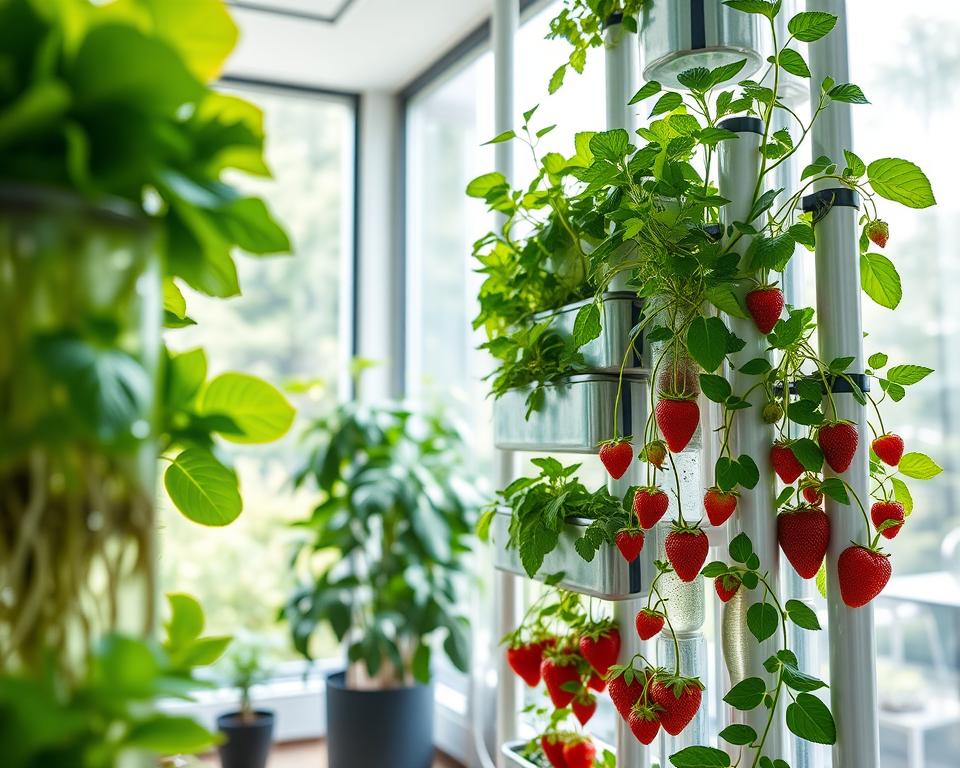
For those who like to try new things, there are many uncommon plants for vertical hydroponics. Strawberries, microgreens, and some root vegetables can do well. Just make sure you know what each plant needs.
| Plant Type | Nutrient Requirements | Growth Rate |
|---|---|---|
| Leafy Greens | Low to Moderate | Fast |
| Fruit-bearing Plants | Moderate to High | Moderate |
| Herbs | Low | Fast |
Knowing what different plants need helps gardeners grow a diverse and thriving vertical hydroponic garden. Even in small spaces.
Setting Up Your Vertical Hydroponics System
Starting a DIY vertical hydroponics system needs careful planning. You must think about several important factors for success in your compact hydroponic setups.
Space Planning and Design
First, plan your space well. Look at the area you have and decide the best layout for your plants. Think about how big the plants will get and leave space for air and easy access. A good design saves space and looks nice in your urban hydroponic gardening area.
- Measure the area for your system.
- Choose a layout that fits your space, like a trellis or stacked system.
- Think about where to put your system for light and electricity.
Watering and Drainage Considerations
Good watering and drainage are key for your plants’ health. In a vertical system, nutrients must reach the roots well, and excess water must be drained to avoid waterlogging. Use a drip irrigation system or NFT system for compact hydroponic setups.
- Pick a watering system that fits your setup.
- Make sure your system drains well to avoid root rot.
- Check moisture levels often and adjust watering as needed.
Air Circulation and Temperature Control
Good air flow and temperature control are vital for your system. Air flow stops fungal diseases and helps plants grow well. Keeping the temperature right helps your plants grow best. For urban hydroponic gardening, use fans or systems to control the air and temperature.
- Use fans for better air flow around plants.
- Watch the temperature and adjust it to keep it right for your plants.
- Think about using a thermometer and hygrometer to check your growing area’s conditions.
By planning your space well, using a good watering and drainage system, and controlling air and temperature, you can make a great DIY vertical hydroponics system. It will bring the benefits of hydroponic gardening to small urban spaces.
Maintenance Tips for Small Space Hydroponics
Keeping a vertical hydroponics system in a small space needs careful attention and regular upkeep. From my own experience with indoor vertical hydroponics, a well-kept system not only grows well but also gives a lot of harvest.
Regular Monitoring of Nutrients
Checking nutrient levels is key to a healthy hydroponic system. Nutrients are the lifeline of your plants, giving them what they need to grow. Make sure to check the pH and EC (electrical conductivity) of the nutrient solution often. This keeps it in the best range for your plants.
Also, don’t forget to add more nutrients when needed. Plants use up nutrients, and the solution gets weaker over time. Not adding more nutrients can cause deficiencies, hurting your plants’ health and growth.
Cleaning and Preventing Pests
Keeping your hydroponic system clean is important to stop pathogens and pests. Regular cleaning means flushing the system and changing the growing medium when needed. This stops disease spread and keeps your plants healthy.
Controlling pests is also key. Check your plants often for pests like aphids, whiteflies, or spider mites. Organic pest control methods are good for managing pests without harming your plants or the environment.
Troubleshooting Common Issues
Even with good care, problems can happen in your hydroponic system. Being able to spot and fix problems quickly is important for a healthy system. Issues like nutrient shortages, pH problems, and clogged irrigation lines are common.
- Watch your plants for signs of stress or nutrient lack.
- Check the system’s pH and EC levels often.
- Look for clogs or leaks in the irrigation system.
By following these maintenance tips, your vertical hydroponics system in small spaces will stay productive and healthy. Remember, consistent care and attention are key for your space-saving hydroponic solutions to succeed.
Where to Place Your Hydroponics System
Choosing the right spot for your hydroponics system is key. It affects how well it works and how easy it is to care for.
I looked at both indoor and outdoor options. Indoor hydroponics mean you can grow plants all year, no matter the weather. They also help keep pests away and use less energy. But, outdoor hydroponics get natural sunlight, which can cut down on the need for artificial lights and save on energy costs.
Indoor vs. Outdoor Considerations
Choosing between indoor and outdoor setups depends on several things. Indoor systems need good lighting, as natural light might be scarce. LED grow lights are great for this because they’re energy-smart and help plants grow well.
Outdoor setups, on the other hand, need lots of sunlight. They also face challenges like changing temperatures, pests, and weather. You’ll need to plan extra to protect them.
Utilizing Vertical Space Wisely
Whether indoors or outdoors, using vertical space well is important. Hydroponic towers and vertical hydroponic systems help grow more plants in less space.
When using vertical space, make sure your setup is strong and won’t fall over. Regular checks are also important to avoid problems like clogged systems or damaged plants.
By picking the right spot and using your space wisely, you can create a great place for your plants to grow.
Innovations in Vertical Hydroponics
Exploring the latest in vertical hydroponics is thrilling. Smart technology is changing DIY vertical hydroponics. It’s making gardening in cities more efficient and green.
Smart Technology and Automation
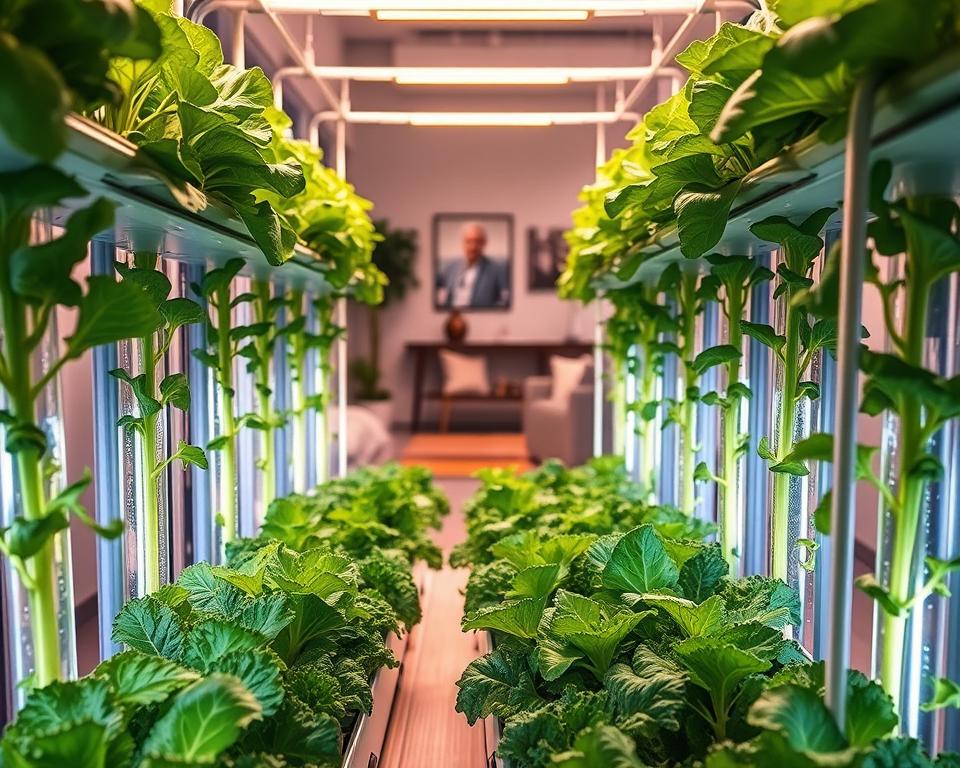
Smart tech is changing indoor vertical hydroponics. Automated systems keep an eye on temperature, humidity, and nutrients. This ensures plants grow perfectly.
Key Features of Smart Hydroponics:
- Automated nutrient delivery systems
- Real-time monitoring of growing conditions
- Adjustable LED lighting for optimal spectrum and intensity
Eco-friendly Practices and Sustainability
Sustainability is key in modern vertical hydroponics. It uses recycled materials, saves water, and cuts down on waste. This makes urban gardening more eco-friendly.
| Eco-friendly Practice | Benefit |
|---|---|
| Recycled Materials | Reduces waste and conserves resources |
| Water Conservation | Minimizes water usage through efficient systems |
| Reduced Chemical Use | Promotes healthier crops and environment |
By adopting these innovations, people can build thriving indoor gardens. These gardens are productive and kind to the planet.
The future of vertical hydroponics is exciting. Whether you’re new to gardening or experienced, now is a great time to dive into urban hydroponics.
My Personal Experiences with Vertical Hydroponics
Vertical hydroponics has changed how I garden. I’m excited to share my experiences and what I’ve learned. I’ve found that vertical hydroponics for small spaces is incredibly powerful.
Success Stories and Lessons Learned
Growing leafy greens in my vertical hydroponics system was a big win. The space-saving hydroponic solutions I used let me make the most of my small area. This led to a big harvest.
- I learned it’s key to watch nutrient levels to avoid shortages.
- Regular pruning is vital for healthy plant growth.
- Using a balanced hydroponic nutrient solution was essential for my success.
These lessons have been invaluable for small space hydroponic gardening. By understanding my plants’ needs and adjusting my methods, I’ve seen amazing results.
Overcoming Challenges in Small Spaces
I’ve faced challenges, like space limits and air circulation issues. To tackle these, I’ve tried a few things:
- I used tiered shelving to make the most of my vertical space.
- I set up a circulation system to fight off fungal diseases.
- I used LED grow lights to make up for natural light, ensuring my plants got enough.
By sharing my journey, I hope to help others interested in vertical hydroponics for small spaces. With the right approach and creativity, you can have a thriving hydroponic garden, even in tiny spaces.
Final Thoughts on Vertical Hydroponics
Vertical hydroponics is a game-changer for urban gardening. It lets people grow their own food, even in small city spaces. This method is perfect for those with limited room.
Emerging Trends
The future of vertical hydroponics is exciting. New smart tech and automation will make it easier to care for systems. As more people try DIY hydroponics, we’ll see even better designs.
Getting Started
Ready to start your vertical hydroponics journey? First, check your space and pick the right gear. With time and effort, you’ll be growing fresh food in no time. It’s a great way to grow your own food, no matter your gardening experience.