
Did you know a lot of water is wasted in gardening? This happens because of too much or too little water. Finding the perfect balance is hard, but automated plant watering makes it easier. It helps keep your garden green without needing to water all the time.
Efficient gardening is now easier with automated irrigation systems. These systems make sure your plants get the right water at the right time. This makes gardening easy and saves time.
Key Takeaways
- Automated plant watering saves time and effort in gardening.
- It ensures plants receive the right amount of water, reducing waste.
- Automated irrigation systems make gardening more efficient.
- These systems are a game-changer for maintaining a lush garden.
- They help in reducing water waste due to overwatering or underwatering.
Understanding Automatic Irrigation Systems
For gardeners, automatic irrigation systems can be a big help. They make watering plants easy and ensure they get the right amount of water. This keeps your garden healthy and thriving.
Smart watering systems have changed gardening for the better. They make watering plants efficient and effective. This helps avoid common problems like overwatering and underwatering, which can harm plants.
What Are Automatic Irrigation Systems?
An automated irrigation system is a network of parts that water plants in a controlled way. It includes a water source, pumps, valves, pipes, and sprinkler or drip irrigation heads.
The system’s control, like a timer or a computer, sets the watering schedule. This ensures plants get water when they need it.
Benefits of Automation for Plant Care
Automating watering brings many plant watering solutions to gardeners. Some key benefits are:
- Consistent watering schedules, reducing overwatering or underwatering risks.
- Water conservation through precise water delivery to the roots.
- Less labor, as the system waters plants automatically.
- Healthier plants due to optimal watering conditions.
Common Types of Automated Systems
There are many automated irrigation systems for different gardening needs. Some common ones are:
- Drip irrigation systems, which water plants directly at the roots.
- Sprinkler systems, which water a larger area.
- Micro-irrigation systems, tailored for specific plant needs.
How Automatic Irrigation Systems Work
At the heart of every automatic irrigation system is a complex network of components. These components work together to keep plants healthy. They are designed to provide efficient plant irrigation by delivering water directly to the roots of plants.
This reduces waste and ensures plants get the right amount of moisture.
Components of an Irrigation System
The components of an automatic irrigation system include pipes, valves, sprinklers, and controllers. Pipes carry water from the source to the plants. Valves control the flow of water, turning it on and off as needed.
Sprinklers distribute the water over the garden or lawn. Controllers manage the timing and duration of watering sessions.
Water Source Options
The choice of water source impacts the design and efficiency of an automatic irrigation system. Common sources include municipal water, well water, and rainwater harvesting. Municipal water is convenient but may be restricted during droughts.
Well water can be cost-effective but requires quality testing. Rainwater harvesting is eco-friendly, reducing water bills and reliance on municipal supplies.
| Water Source | Advantages | Disadvantages |
|---|---|---|
| Municipal Water | Reliable and consistent | May be subject to restrictions |
| Well Water | Cost-effective, consistent supply | Requires quality testing |
| Rainwater Harvesting | Eco-friendly, reduces water bills | Dependent on rainfall, initial investment |
Control Mechanisms and Timers
Control mechanisms and timers are key for efficient operation. Timers let gardeners schedule watering sessions in advance. This ensures plants get water at the best time.
Advanced controllers can adjust schedules based on weather, soil moisture, and plant needs. This further enhances plant irrigation technology.
By understanding these components, gardeners can choose and install a system that meets their needs. This ensures efficient plant irrigation and healthier plants.
Choosing the Right System for Your Plants
Finding the perfect automatic irrigation system can change your gardening game. It all starts with knowing what your garden needs. You must think about your plants’ needs and your garden’s layout when picking a system.
Factors to Consider
When picking an automatic plant watering system, several things matter. First, look at your garden’s size and the plants you have. Each plant needs different amounts of water, so it’s key to know this.
- Climate and weather conditions in your area
- Type of soil and its water retention capabilities
- Specific watering requirements of your plants
For more help in picking a watering system, check out Gardeners.com. They have great tips on finding the best irrigation system for your garden.
Popular Brands and Models
Many brands are known for their top-notch smart irrigation for plants systems. Here’s a look at some popular ones:
| Brand | Model | Features |
|---|---|---|
| Rain Bird | ESP-TM2 | Modular design, Wi-Fi enabled |
| Hunter | ICC2 | Color touchscreen, weather-based irrigation |
| Orbit | B-hyve | Wi-Fi enabled, mobile app control |
Customization Options for Different Gardens
It’s important to customize your irrigation system for your garden’s unique needs. Many systems today offer flexible configuration options. These let you adjust watering schedules and zones based on your garden’s layout and plant types.
By thinking about these points and looking at what’s out there, you can find an automatic plant watering system. It will meet your plants’ needs and make gardening better for you.
Installation Guide for Automatic Irrigation
Setting up an automated irrigation system right is key. First, learn about the parts and how they work together. This ensures your plants get the right water amount.
Preparing Your Garden for Installation
Getting ready is the first step for a smooth setup. Map out your garden, marking plants, trees, and any blocks. Know your water source and its pressure to pick the right system.
Clear the area of dirt and blocks to lay out pipes and emitters. Mark where you’ll put sprinklers or drip emitters. This helps water plants well without wasting water.
Step-by-Step Installation Process
Start with the main water line, usually a PVC or flexible pipe. Then, lay out the distribution lines. Use the right tubing for your system type.
- Connect the distribution lines to the main supply line.
- Install emitters or sprinklers as planned.
- Set up the control valves and timer for easy access.
- Test the system for leaks or problems.
Tips for a Successful Setup
For effective plant watering solutions, keep these tips in mind:
Adjust your irrigation schedule with the seasons. This matches weather and plant needs. Also, check your system often for leaks or clogs. Think about adding a rain sensor or soil moisture sensor to save water.
By following these steps and tips, you’ll have a lush, thriving garden. You’ll need to water it less, thanks to your automated irrigation system.
Maintenance Tips for Your Irrigation System
To keep your plants healthy, regular maintenance of your irrigation system is key. A well-kept system not only keeps your plants thriving but also saves water. This reduces waste and conserves resources.
Regular Checks and Troubleshooting
Regular checks help spot problems early. Look for leaks, clogged nozzles, and damaged pipes. Troubleshooting often involves checking the controller, timer, and valves.
Some common issues include:
- Leaks or broken sprinkler heads
- Clogged or dirty filters
- Misaligned or damaged pipes
- Faulty or incorrectly programmed controllers
Seasonal Adjustments and Upgrades
Seasonal changes affect your plants’ watering needs. Adjusting your irrigation system’s schedule is essential. In hot months, plants need more water, while in cool months, they need less. Smart technology can automatically adjust watering based on weather.
“Adjusting your irrigation schedule seasonally can significantly impact water efficiency and plant health.” – Gardening Expert
Ensuring Water Efficiency
A well-maintained irrigation system saves water. Use a rain sensor or soil moisture sensor to avoid overwatering. Regularly clean filters to ensure water flows well.
| Maintenance Task | Frequency | Benefit |
|---|---|---|
| Inspect for leaks and damage | Monthly | Prevents water waste and reduces risk of system failure |
| Clean filters | Quarterly | Ensures optimal water flow and system performance |
| Adjust watering schedule | Seasonally | Accommodates changing plant water needs and weather conditions |
By following these tips, your irrigation system will work efficiently. It will provide your plants with the right water at the right time.
The Impact of Automation on Plant Growth
Automation has a big impact on plant growth. It brings many benefits, like healthier plants and better care for the environment. By automating watering, gardeners can make sure their plants get the right amount of water. This is key for their growth and health.
Water Management and Healthier Plants
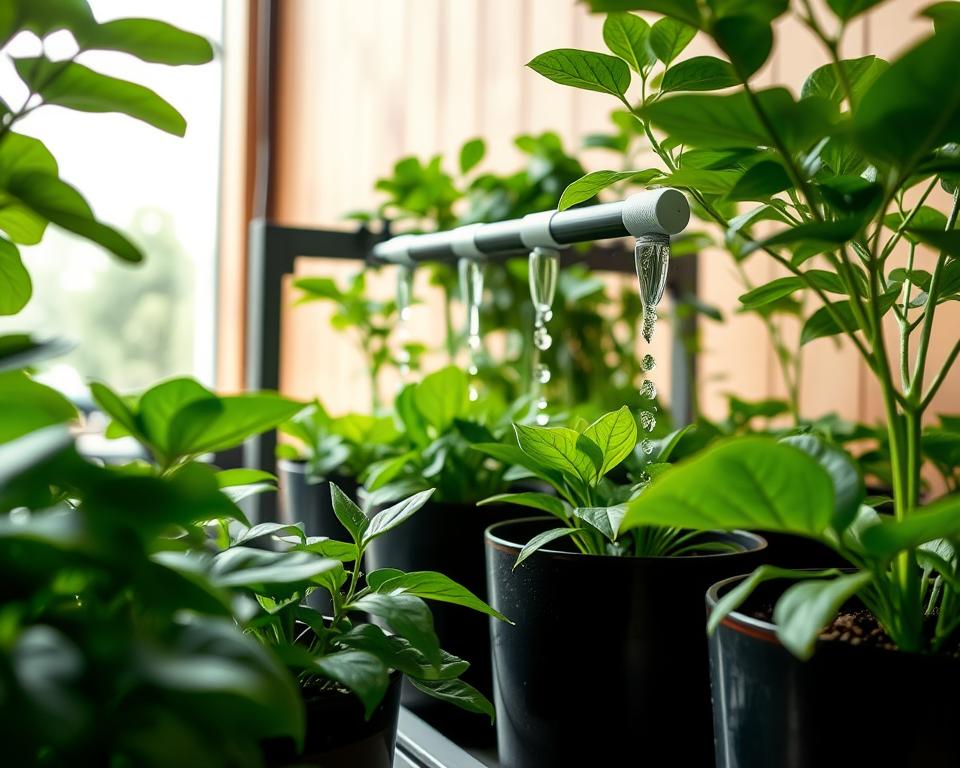
Good water management is key for healthy plants. Automated irrigation systems send water straight to the roots. This cuts down on evaporation and runoff.
This targeted watering not only saves water but also helps plants grow better.
Benefits of Automated Watering include:
- Consistent moisture levels
- Reduced water waste
- Improved plant health
Time-Saving Benefits for Gardeners
Automated watering is a big time-saver for gardeners. It lets them focus on other important gardening tasks. These include pruning, fertilizing, and controlling pests.
| Task | Manual Time | Automated Time |
|---|---|---|
| Watering | 30 minutes | 5 minutes |
| Pruning | 60 minutes | 60 minutes |
| Fertilizing | 30 minutes | 30 minutes |
Environmental Impact
Automated irrigation systems have big environmental benefits. They help save water by using it more efficiently. They also cut down on runoff and make sure plants get the right amount of water.
This helps prevent soil erosion and keeps nutrients in the soil.
Key Environmental Benefits include:
- Water conservation
- Reduced soil erosion
- Minimized nutrient loss
Smart Technology in Automatic Irrigation
Smart technology has made automatic irrigation systems better. They now offer more control and monitoring. This change helps us take better care of our plants, ensuring they get the right water at the right time.
Integration with Smart Home Systems
Automatic irrigation now works with smart home systems. This lets users control their systems from anywhere. They can get updates on their phones or tablets. For example, Rain Bird and Hunter systems work well with smart homes, allowing for voice control and scheduling.
This integration brings many benefits:
- Remote monitoring and control
- Automated watering based on weather
- More water efficiency
- Customizable watering schedules
Mobile Apps for Monitoring and Control
Mobile apps are key for managing smart irrigation systems. They let users control their systems from anywhere. These apps have features like:
- Real-time soil moisture monitoring
- Adjustable watering schedules
- Watering based on weather
- Alerts for system issues
The Hydrawise app is a great example. It lets users control their systems from anywhere. It also gives insights into water use and helps optimize watering.
Future Trends in Smart Irrigation
Technology will keep improving smart irrigation systems. We can look forward to:
- AI and machine learning for better watering
- Better sensors for soil moisture
- More compatibility with smart devices
These updates will make caring for plants easier. They will help gardeners keep their plants healthy while saving water.
Cost Analysis of Automatic Irrigation Systems
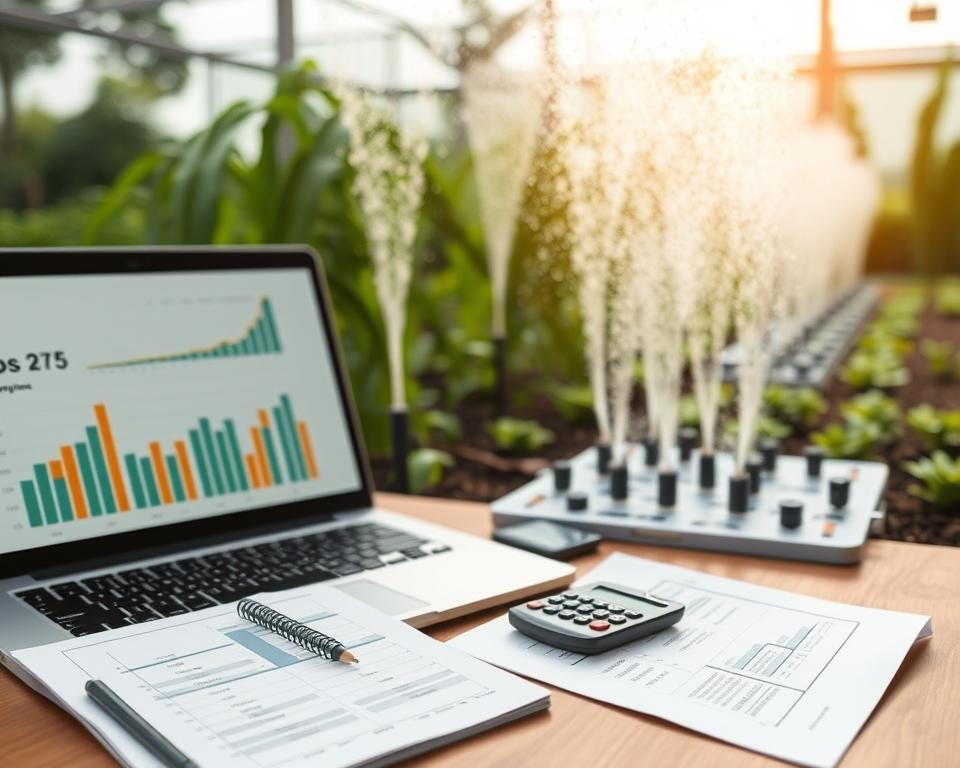
The cost of an automated irrigation system might seem high at first. But, it can save a lot of money in the long run. It’s important to think about the cost now and the benefits later.
Initial Investment vs. Long-Term Savings
The cost of setting up an automatic watering system is high. But, it can cut down on water bills and maintenance costs over time. A report by GMI Insights shows that using these systems can greatly reduce water use.
| Cost Component | Initial Investment | Long-Term Savings |
|---|---|---|
| Water Bills | $0 (initial) | Up to 50% reduction |
| Maintenance Costs | $500-$1000 (average) | Reduced by 30-40% |
| System Installation | $1000-$3000 (average) | N/A |
Comparing Costs of DIY vs. Professional Installation
Homeowners can choose to install an automated irrigation system themselves or hire a pro. DIY saves on labor costs but needs a lot of time and knowledge. Professional installation is more expensive but ensures a correct setup.
Potential Financial Incentives
Many places offer rebates for installing water-saving systems, like automated irrigation. These can help lower the initial cost. It’s good to look into local and national programs that support saving water.
Understanding the costs of automatic irrigation systems and looking for incentives can help homeowners make smart choices. These choices can benefit their gardens and their budgets.
Frequently Asked Questions about Automatic Irrigation
Exploring automatic irrigation for plants raises many questions. Knowing these can help you use your smart watering system better.
Common Concerns and Solutions
Many worry about the cost of an automatic irrigation system. The initial price might seem high. But, the long-term savings on water and less maintenance make it a good choice.
A well-designed system can cut down on water waste. It also lowers your utility bills.
Resources for Further Learning
If you want to learn more about automatic irrigation, there are many resources. You can find online tutorials and gardening workshops. They can help you get the most out of your smart watering system.
User Experience and Testimonials
Many users have seen a big drop in water use and better plant health. Using these systems can make your garden lush and thriving with little effort.