

As a plant enthusiast, I’ve often struggled to provide my plants with the right amount of light. Did you know that inconsistent lighting can lead to weak and spindly growth in plants? Automating plant lighting with reliable programmable timers has been a game-changer for me.
By using Timers for plant lighting, you can create a consistent and healthy environment for your plants. This not only promotes healthy growth but also reduces the need for constant monitoring.
Key Takeaways
- Automating plant lighting promotes healthy plant growth.
- Reliable timers reduce the need for constant monitoring.
- Programmable timers allow for customized lighting schedules.
- Consistent lighting improves plant development.
- Automated lighting systems are convenient and efficient.
Why Use Timers for Plant Lighting?
Timers make your plant lighting system more efficient and effective. They simplify plant care and boost health and growth.
Benefits of Automated Lighting
Automated lighting with digital timers or automatic timers gives plants a steady light schedule. This is vital for their growth and flowering.
These systems can mimic natural daylight. This is great for plants that are light-sensitive.
Consistency and Growth
Lighting consistency is essential for plant health. Timers ensure plants get the same light every day. This keeps their growth cycle on track.
This is critical for plants at different growth stages. It makes sure each gets the right light.
Energy Efficiency
Timers also save energy. They turn lights on and off at set times. This cuts down on energy use and costs.
In summary, timers in plant lighting systems have many benefits. They improve growth and save energy. By using them, you can make your plant care routine more sustainable and effective.
Types of Timers Available
To automate your plant lighting, it’s key to know the different timers. The right one can greatly help your plants grow and stay healthy.
Mechanical Timers
Mechanical timers are a classic and dependable choice. They’re simple to use and don’t need complex settings. One big plus is their ease of use; just turn a dial or flip a switch to set the light schedule.
But, mechanical timers might not fit all plants’ needs. They might not work well for plants needing very specific or changing light schedules.
Digital Timers
Digital timers are a more modern and precise choice. They let you set exact times and lengths for your plant lights. This precision is great for plants needing special light setups.
Digital timers are also easy to program. They often have extra features like multiple settings per day and a battery backup for power outages.
Smart Timers
Smart timers are the most advanced option for plant lighting. They can be controlled from your phone and work with other smart devices. This means you can customize them a lot.
For example, smart timers are great for changing light schedules with the seasons or when you’re not home. They also track energy use and can adjust based on your plant’s needs.
When picking a smart timer, think about if it fits with your smart home system. Also, make sure the app is easy to use.
Choosing the Right Timer for Your Plants
Finding the perfect timer for your plants involves looking at a few key factors. These include the size of your setup and the types of plants you’re growing. When I first started using timers for my indoor garden, I saw how important the right choice is for my plants’ health and growth.
Size of Your Plant Setup
The size of your plant setup is key when choosing a timer. For a small indoor garden with a few plants, a simple timer outlet for plant lights might be enough. But for larger setups, you’ll need a timer that can handle more lights and possibly has a more complex interface.
Types of Plants Being Grown
Different plants need different amounts of light. Some plants need lots of light, while others prefer shade. Knowing what your plants need will help you pick a timer that can meet those needs. If you have a variety of plants, look for a timer with flexible programming options.
Features to Consider
When picking a timer, consider a few important features. Look for one that’s easy to program and has a clear interface. Some timers also have extra features like countdown functions or remote control. For indoor plants, a best timer for indoor plants should provide a consistent lighting schedule, which is vital for growth.
In the end, the right timer depends on your specific needs and your plants’ needs. By thinking about the size of your setup, the types of plants you’re growing, and the features you need, you can find a timer that will help your plants thrive.
Setting Up Your Timer
To start automating your plant lighting, setting up your timer is key. It’s easy and rewarding. A good timer makes sure your plants get the right light, helping them grow well.
Step-by-Step Installation Guide
Setting up your timer is simple:
- First, make sure your timer fits your lighting system. Check the voltage and wattage to match.
- Next, connect your lights to the timer as the maker says. This means plugging them into the timer’s outlets.
- Then, set the current time on your timer. This is key for the right lighting schedule.
- Lastly, program your lighting schedule. Most timers let you set on and off times for each day.
Common Mistakes to Avoid
When setting up your light timer, watch out for these common mistakes:
- Not setting the correct time or date on the timer, which can mess up your lighting schedule.
- Not adjusting for daylight saving time, which can mess up your schedule.
- Making the programming too complicated, leading to confusion and mistakes.
Knowing these mistakes helps you avoid them and set up smoothly.
Troubleshooting Setup Issues
If you run into problems, here’s how to fix them:
- If your timer isn’t working right, check the time and date.
- Make sure the timer is plugged in and the lights are plugged into it.
- If you’re stuck, look at the user manual or contact the maker’s support.
By following these tips, you can set up your timer right and enjoy automated plant lighting.
Best Timers for Indoor Plants
Finding the right timer for your indoor plants can make caring for them easier. It ensures they get the right amount of light. With many options out there, picking the best one can be tough.
Top Picks for Beginners
If you’re new to indoor gardening, a basic timer is a good start. I suggest using a digital timer first. They are simple to use and help control light accurately.
- Simple digital timers with a user-friendly interface
- Timers with a backup battery to keep settings during power outages
- Models with multiple on/off settings for flexibility
Features of Popular Models
Popular timers for indoor plants have cool features to make caring for plants easier. Some key features include:
| Feature | Description | Benefit |
|---|---|---|
| Programmable Schedules | Allows for customized lighting schedules | Enhances plant growth and health |
| Multiple Output Channels | Can control multiple light sources independently | Increases flexibility for different plant setups |
| Remote Control | Enables adjusting timer settings from a distance | Convenient for users, even at night |
When picking an automatic timer, think about your indoor garden’s size and your plants’ needs. A good timer keeps a steady lighting schedule. This is key for your plants’ health.
By getting a dependable digital timer, your indoor plants will do well. Even when you’re not there to change their light settings.
Best Timers for Outdoor Plants
The best timers for outdoor plants are durable and functional. They must withstand various weather conditions while working reliably. This is key for outdoor plant care.
Outdoor plants need different care than indoor ones. The right timer can greatly impact their growth and survival. It should handle the elements and keep lighting schedules consistent.
Weatherproof Options
Weatherproof timers can handle rain, snow, and extreme temperatures. They are perfect for outdoor use. These timers are made with durable materials and have seals to keep water out.
Some popular weatherproof timer options include:
- Timers with IP65 or higher rating, indicating they can withstand dust and water jets
- Timers made from durable plastics or metals that can resist corrosion
- Timers with secure sealing to prevent water entry
A gardening expert says, “Using a weatherproof timer is key for outdoor plants. It ensures they get the right light without harming the timer.”
“A weatherproof timer is not just a convenience, it’s a necessity for serious gardeners who want to ensure their outdoor plants thrive.”
Solar-Powered Timers
Solar-powered timers are an eco-friendly choice for outdoor plant lighting. They use sun energy, cutting down on battery replacements or electrical needs.
| Feature | Weatherproof Timers | Solar-Powered Timers |
|---|---|---|
| Power Source | Electricity or Batteries | Solar Energy |
| Durability | High | High |
| Environmental Impact | Moderate | Low |
When choosing between weatherproof and solar-powered timers, think about your needs. Solar-powered timers are great for those who want an eco-friendly option with little upkeep.
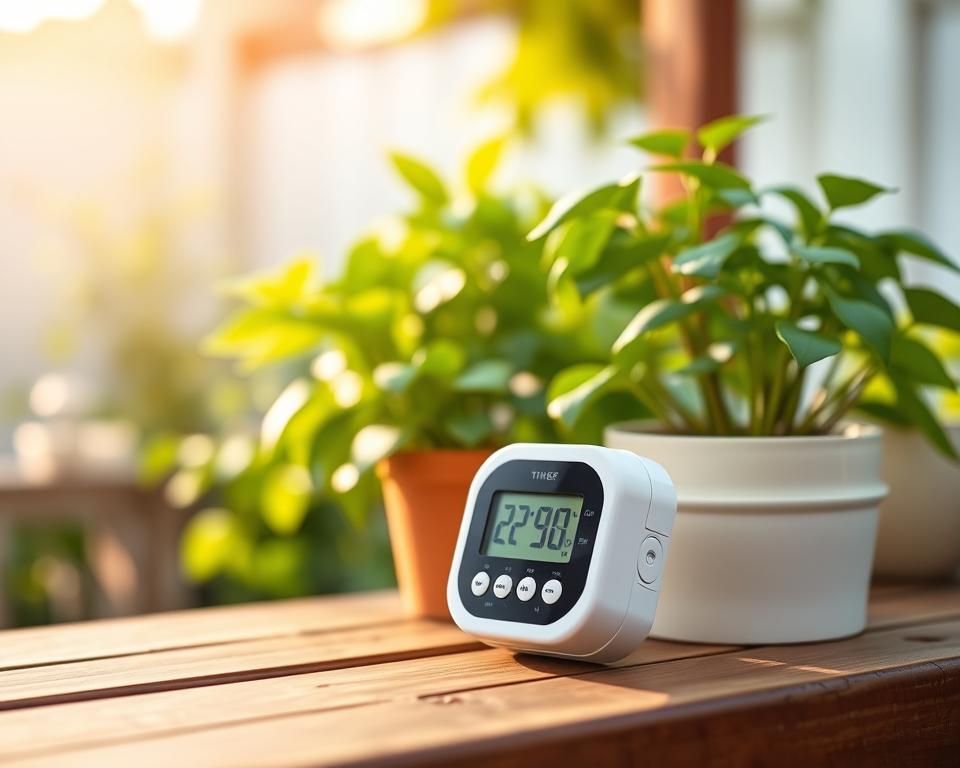
In conclusion, both weatherproof and solar-powered timers have their benefits for outdoor plants. Picking the right one ensures your plants get the light they need to flourish.
Programming Your Timer
Programmable timers are a big help for plant care. They let you set up a lighting schedule that fits your plants’ needs. This way, your plants get the right light at the right time, helping them grow well.
Setting Up a Light Schedule
To start, figure out what light your plants need. Each plant is different, so learn what yours need. Then, use your timer to turn the lights on and off at the right times. Some plants need 12 hours of light and 12 hours of dark, while others need more or less.
Using a cycle timer can make setting up easier. It helps keep things consistent and makes it simpler to change the schedule when needed.
Adjusting for Seasonal Changes
As seasons change, so do your plants’ light needs. In winter, they might need less light, and in summer, more. Changing your light schedule to match these changes helps your plants stay healthy.
To adjust, just change your timer settings. You might need to change how long the lights are on or when they turn on and off. These changes ensure your plants get the right light all year.
Integrating Timers with Smart Home Systems
Exploring smart home integration, I see how timers improve my plant care. They make managing plant lighting easier and open up new automation options.
When adding timers to smart homes, compatibility with smart devices is key. Most timers work well with systems like Amazon Alexa and Google Home. Always check your timer and hub specs before buying.
Compatibility with Smart Devices
Choose timers that support Zigbee or Z-Wave for smart home integration. These protocols ensure your timer talks well with other devices. This makes your plant care more automated and efficient.
Some timers have apps for remote control and alerts. This is great for plants needing exact light conditions.
Benefits of Automation
Automating plant lighting through smart homes has many perks. It lets you control lighting schedules precisely, ensuring your plants get the right light. It also cuts down on the effort needed to manage lighting, keeping your plants healthy.
Smart home integration also lets you create custom lighting setups for your plants. Whether they need lots of light or prefer shade, you can adjust everything from your phone or tablet.
Maintenance Tips for Timers
Keeping your timer in good shape is key for your plants to get the right light. A well-kept timer makes your lighting last longer and helps your plants grow well.
Regular Maintenance Practices
It’s important to check your timer often. Dust off the timer to avoid overheating from dust. Also, look for any damage on the connections and cords. Keeping your timer clean and connections tight prevents lighting schedule problems.
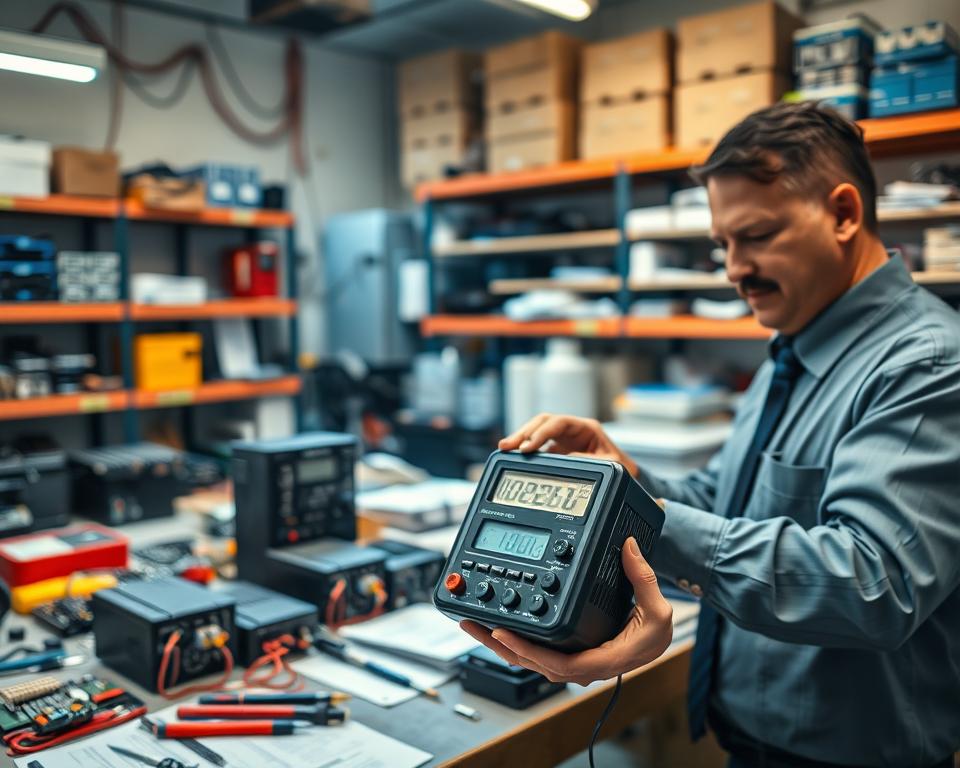
Testing your timer now and then is a good idea. Set a schedule and check if the lights work right. If there are issues, your timer might need fixing or replacing.
Signs Your Timer Needs Replacing
Timers can get old and stop working well. Look out for inconsistent timing, lights not turning on or off, or wear and tear. If you see these signs, it’s time for a new timer.
When you get a new timer, think about one with more features or better energy use. This is good for your plants and saves energy too.
FAQs About Plant Lighting Timers
Using a timer for your plant lighting can really change the game. But, you might have some questions about how to use it right. Here, I’ll answer some of the most common questions to help you get the most out of your timer.
How Long Should I Run My Lights?
The time you should run your lights depends on a few things. These include the type of plants you’re growing and their growth stage. Most plants need between 12 to 18 hours of light each day.
- Seedlings and young plants usually need 18 hours of light.
- Mature plants often require 12-14 hours of light.
- Some plants, like succulents, might need less light, around 10-12 hours.
It’s key to research the specific lighting needs of your plants. This ensures you’re giving them the right amount of light.
Can I Use Timers with Grow Lights?
Yes, you can definitely use timers with grow lights. In fact, using a timer with your grow lights is one of the best ways to ensure your plants get consistent and enough lighting.
Benefits of using timers with grow lights include:
- Consistency: Timers keep a consistent light schedule, which is key for plant growth.
- Energy Efficiency: By turning off the lights when not needed, timers help save energy.
- Reduced Stress: Plants like a regular day-night cycle, just like humans do.
When picking a timer for your grow lights, think about the type of grow light you’re using. Also, consider its power needs to make sure the timer can handle it.
Eco-Friendly Timer Options
Looking to make your plant care routine greener? Eco-friendly timers are a great choice. They help reduce your environmental impact while giving your plants the light they need.
Energy-Saving Features
Eco-friendly timers save energy. They make sure your lights are only on when needed. Some have auto-shutoff or can be programmed for your plants’ needs.
For example, some digital timers turn off during the day. This saves energy and cuts down your electricity bill. It also helps reduce your carbon footprint.
Sustainable Brands to Consider
When searching for eco-friendly timers, look for brands that care about the planet. GreenLite and EcoCycle are leaders in green products.
- GreenLite timers are made from recyclable materials and save a lot of energy.
- EcoCycle timers run on solar power. This means less use of non-renewable energy.
Choosing timers from these brands makes your plant care routine both effective and eco-friendly.
Conclusion: Elevate Your Plant Care Routine
Using timers for plant lighting can make your plant care better. It brings consistency, efficiency, and flexibility. This helps your plants grow well.
The benefits of timers are many. They help plants grow better and save energy. A timer makes sure your plants get the right light at the right time.
Simplify Your Plant Care
Timers make plant care easier. They help avoid too much or too little light. This is important for your plants’ health.
Want to improve your plant care? Try using timers. The right timer can create a lighting plan that fits your plants’ needs. This helps them grow strong.